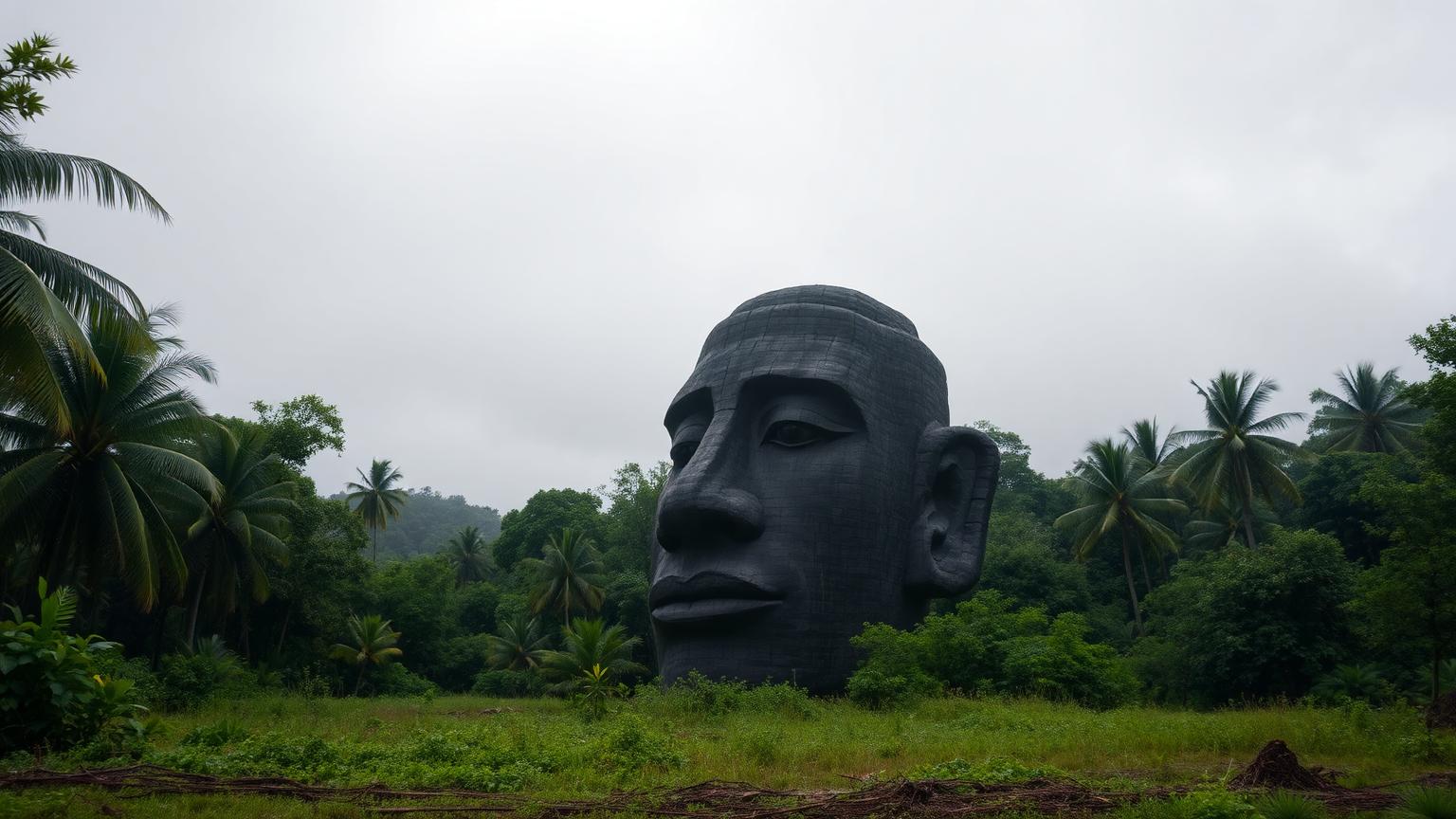
Expedition
Ancient Civilizations & Origins
Twenty-one worlds, mapped in place and time. Enter one and you are standing in it — the river, the stone, the harvest, and the exact point where the evidence runs out.
26 periods · 21 civilizations · 11 primary documents · 15 open files
Ancient Civilizations & Origins investigates humanity before the modern world. Using archaeology, anthropology, geology, genetics, astronomy, engineering, historical records, and evidence-based research, Second City Standard explores the civilizations, discoveries, mysteries, and unanswered questions that continue to reshape our understanding of the ancient past.
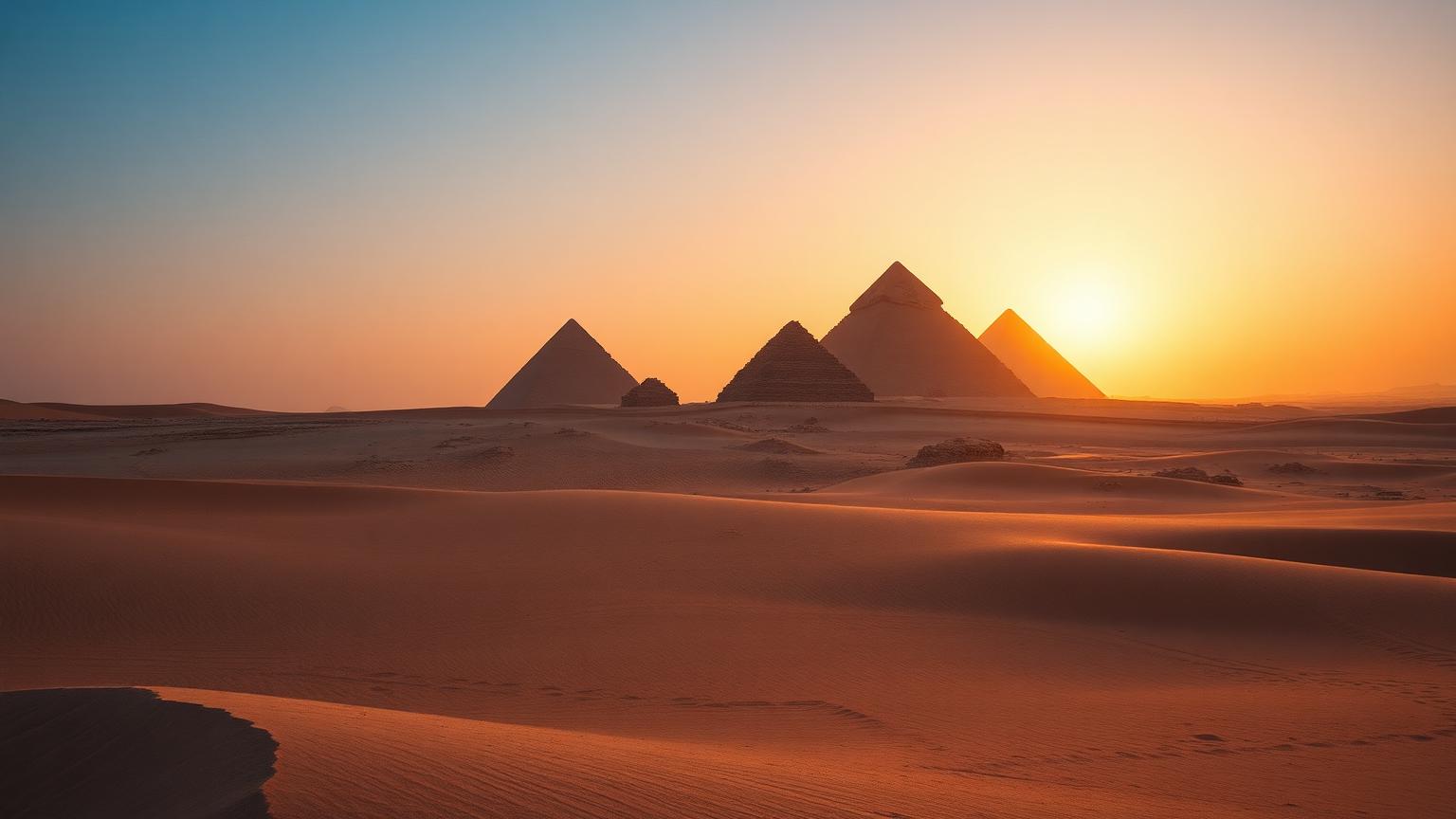
Egypt
c. 3100 – 30 BCE
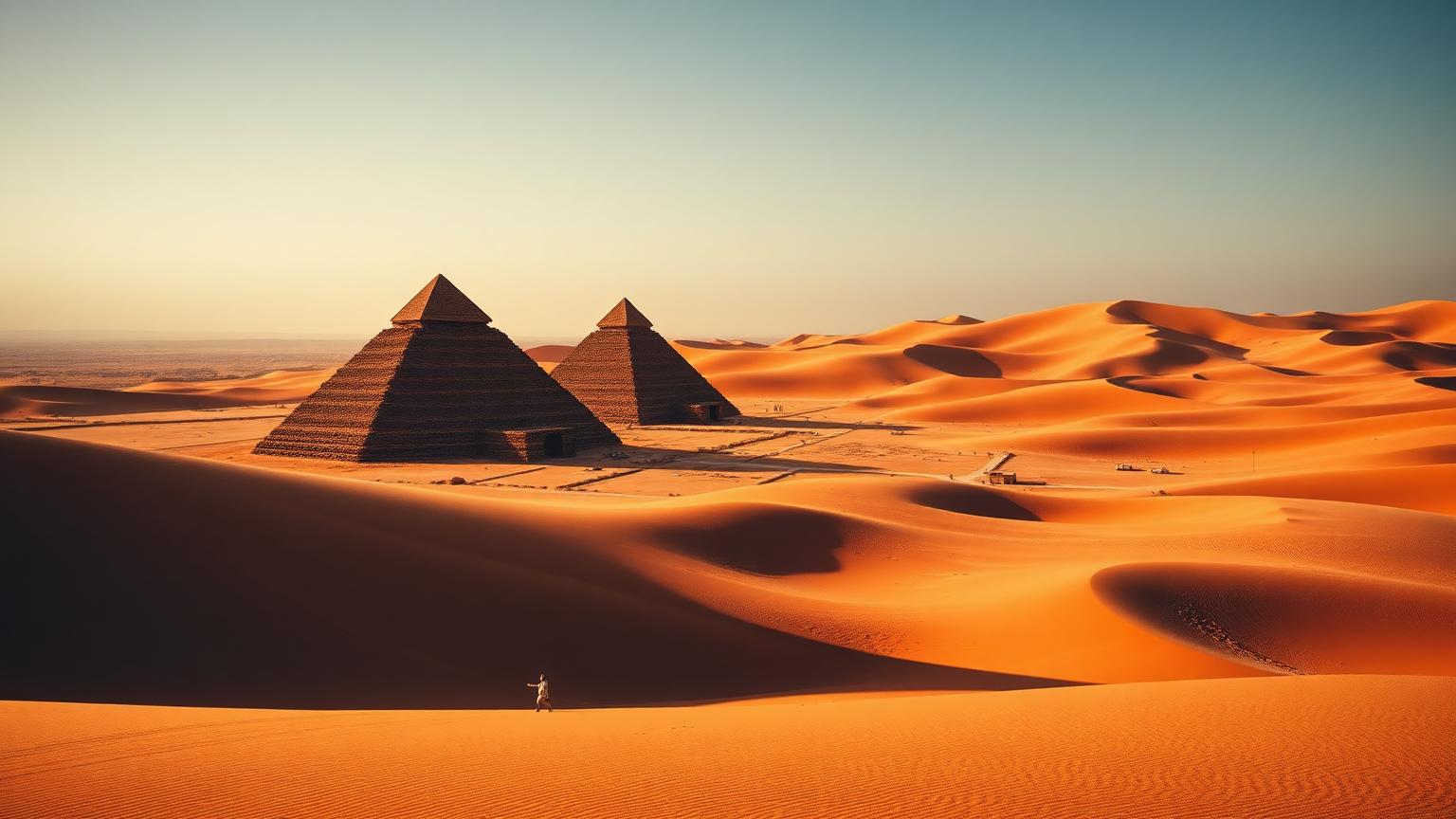
A civilization built along a river, recorded in stone, and still being excavated.
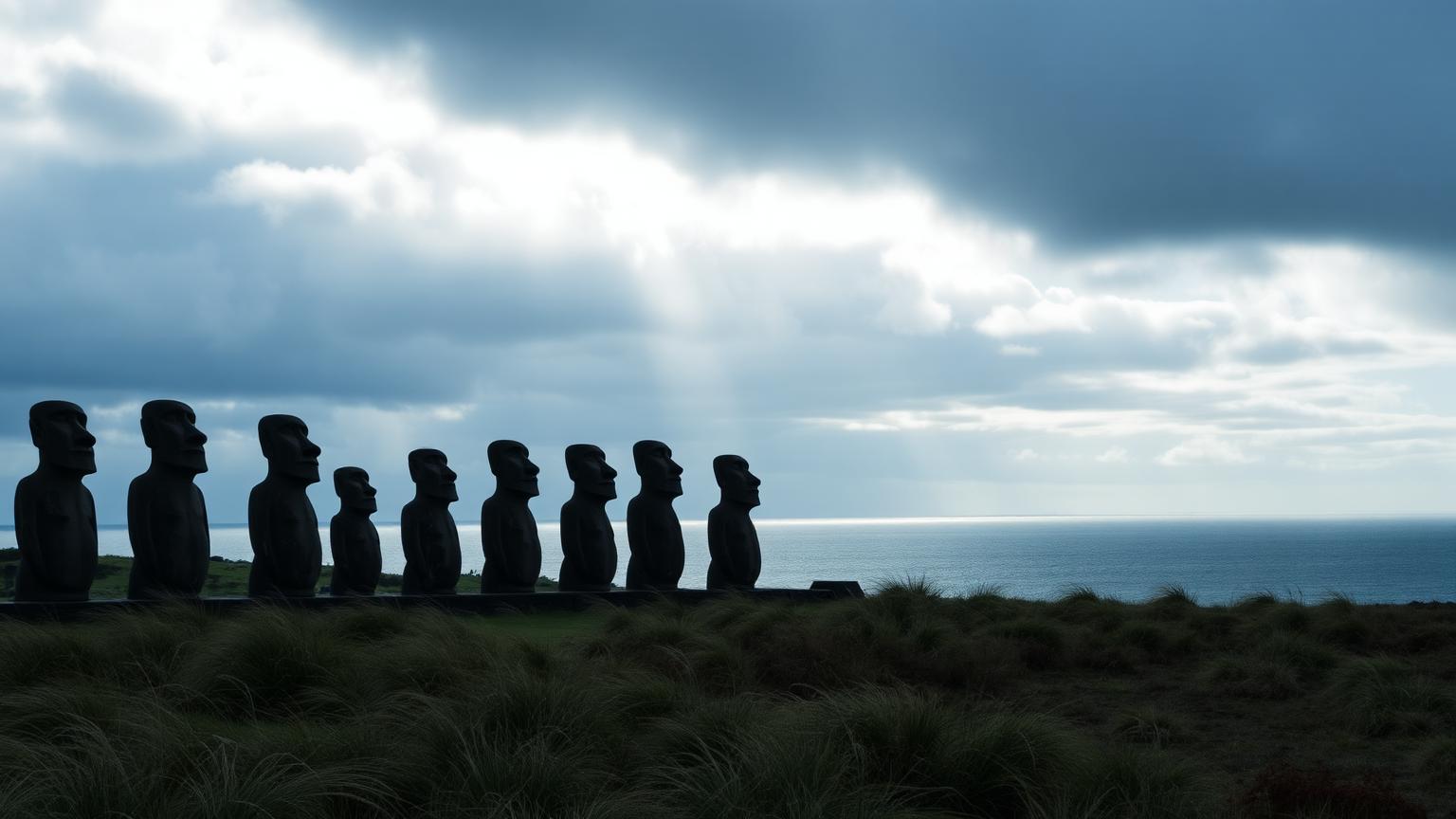
Rapa Nui
c. 1200 – 1722 CE
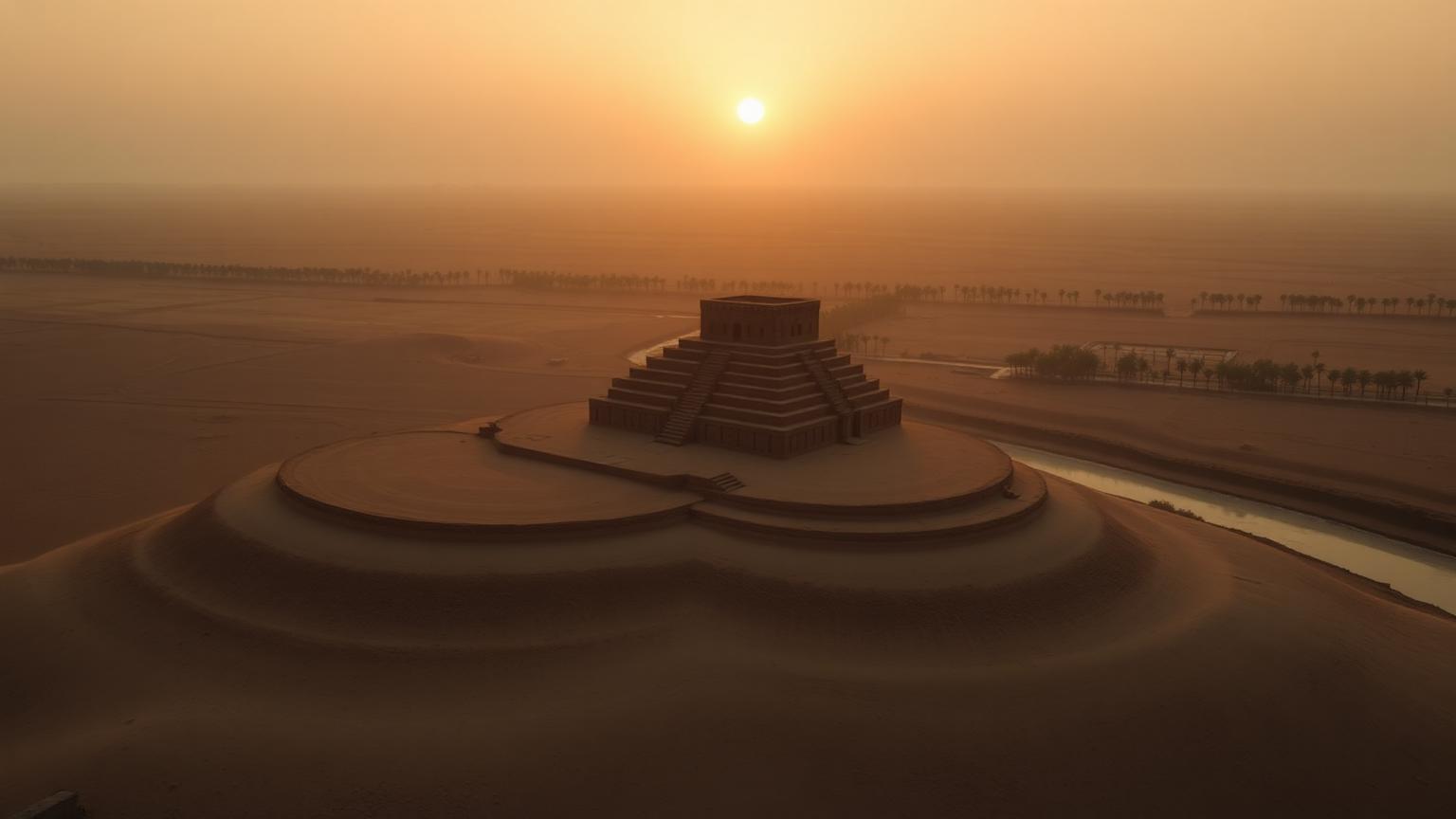
The most isolated inhabited place on earth, and the most misread society in popular history.
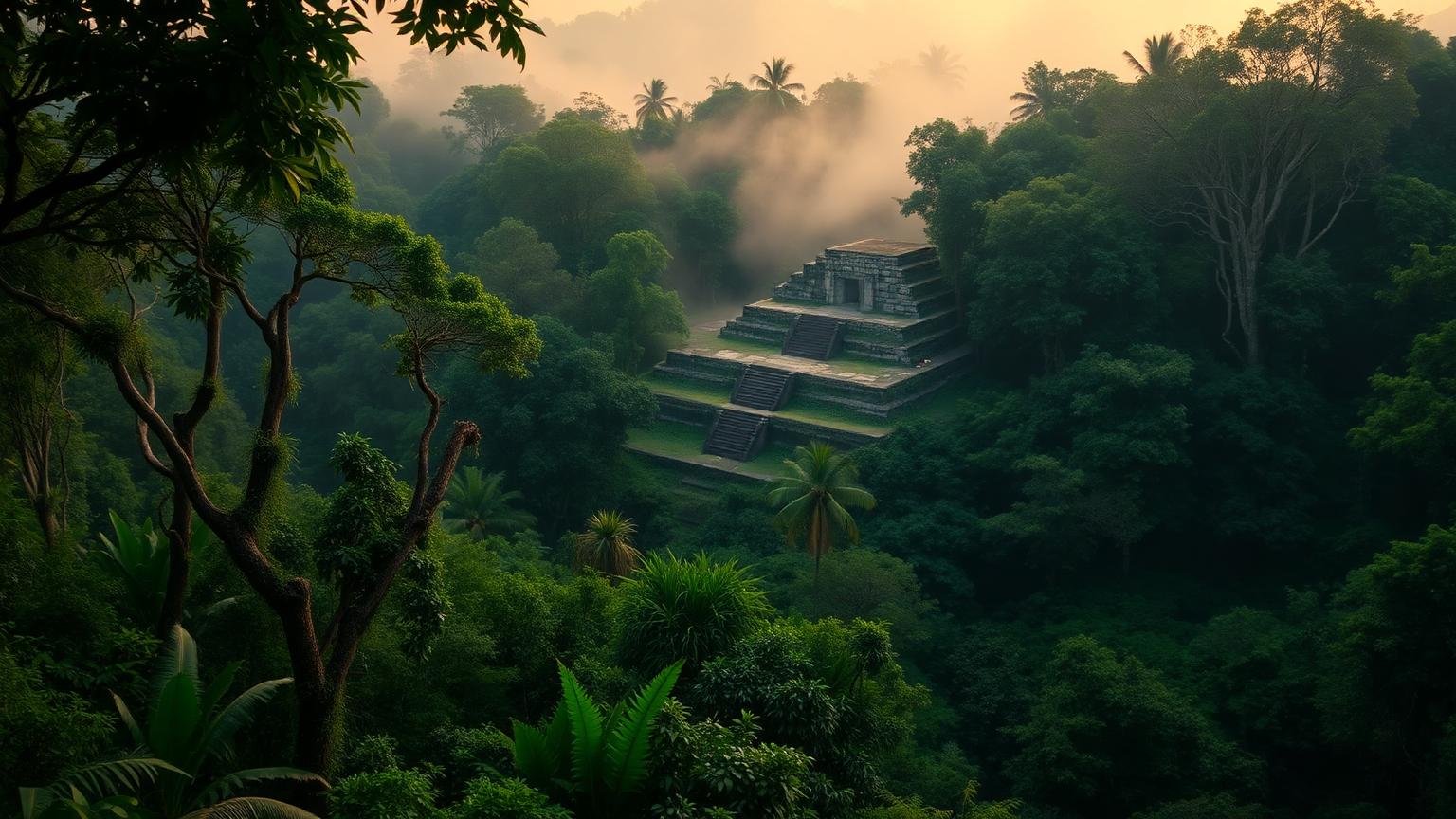
Maya
c. 2000 BCE – 1500 CE
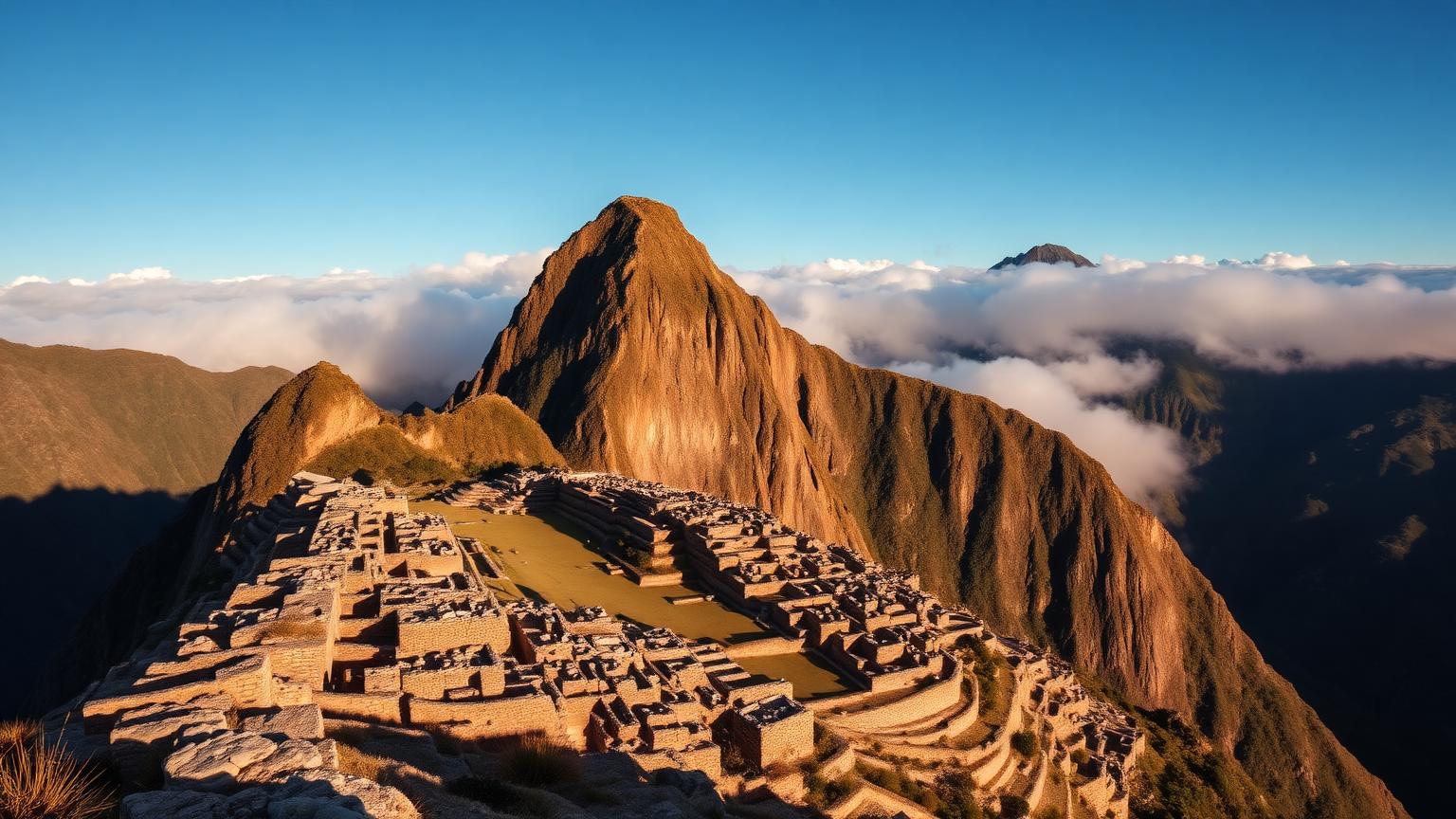
Astronomy, a fully readable script, and cities that fed millions on karst.
Where the ancient world actually was
Every civilization plotted at its heartland. Geography explains more of ancient history than personality does.
Nile & North Africa
River agriculture, desert logistics, and the longest state records we have.
Mesopotamia & the Fertile Crescent
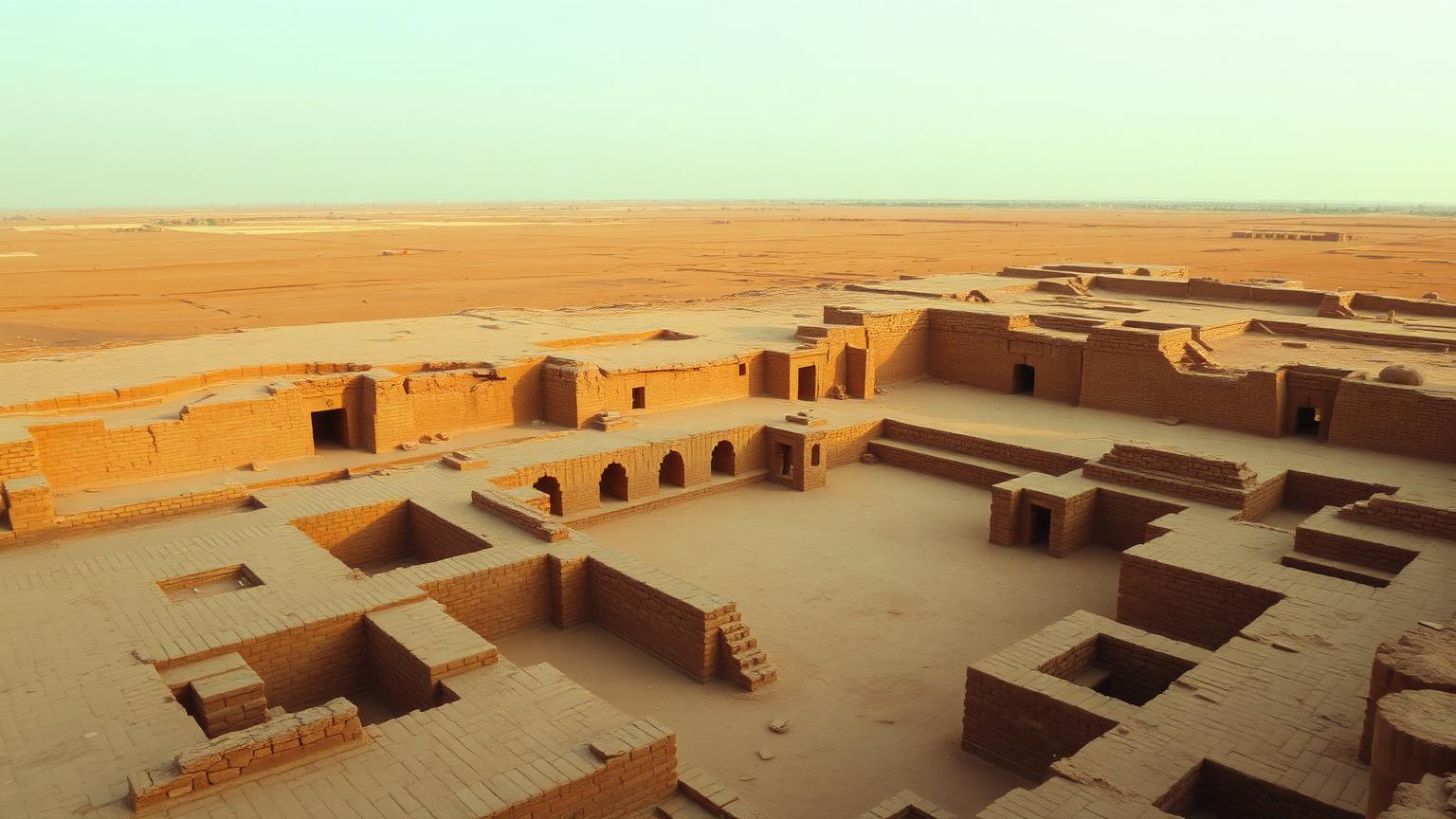
Where cities, writing, law and accounting first appear in the same layer.
Mediterranean World
Sea-connected states that argued about their own history in writing.
Persia & Central Asia
Imperial administration at continental scale, recorded by allies and enemies.
Twenty-one worlds
Grouped by the geography that shaped them. Each world page carries the same spine: the land, the snapshot, the engineering, the evidence meter, and an honest ledger of what nobody knows.
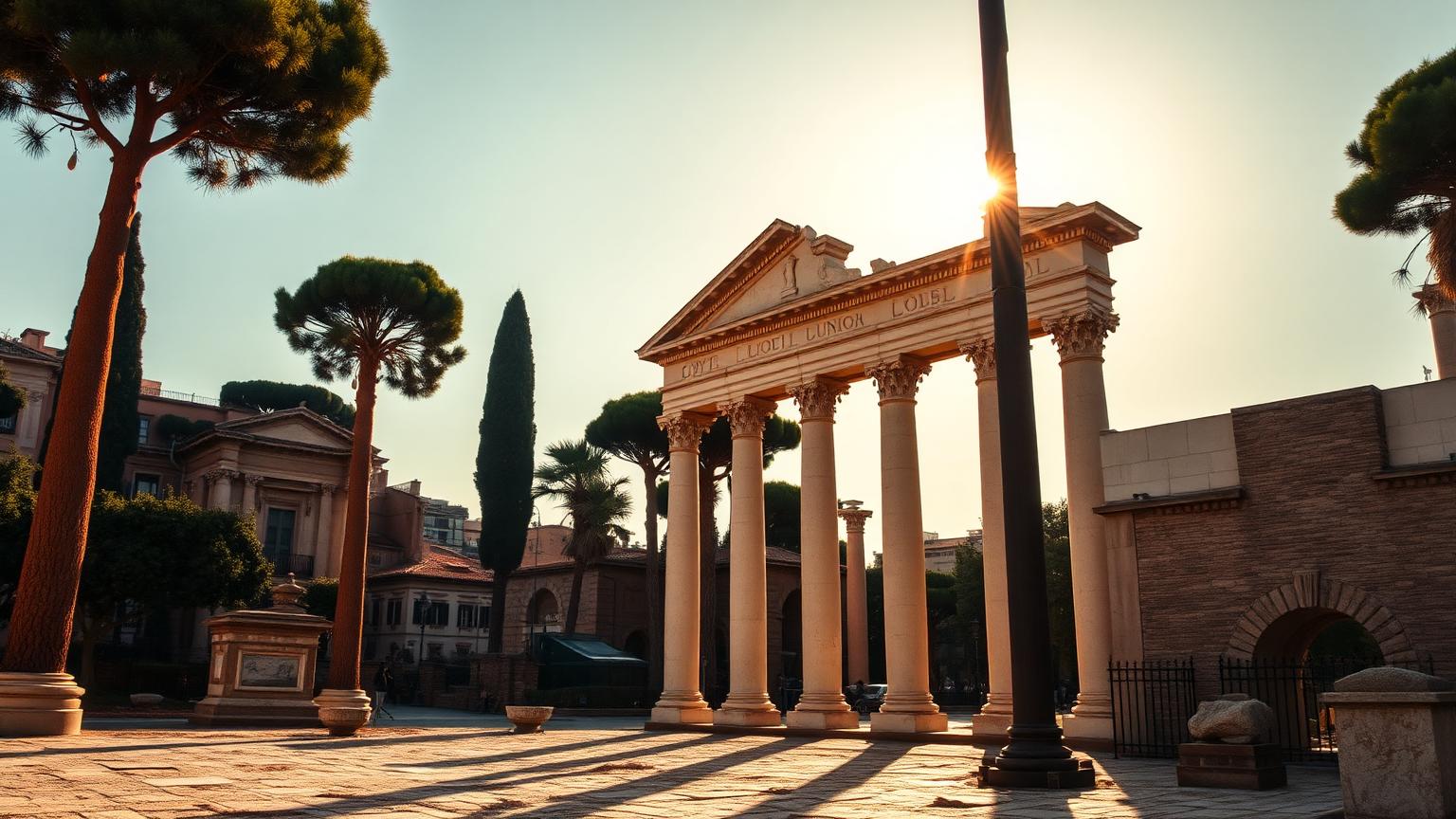
Mediterranean World
Sea-connected states that argued about their own history in writing.

Everyone, at the same time
Bronze Age Egypt and Shang China are not separate stories. They are the same century.
First Settlements
Sedentism, monumental gathering places, early domestication.
First Cities
Irrigation, craft specialization, the first walled towns.
Ancient States
Writing, law, standing bureaucracies, monumental building.
Classical World
Empires that documented themselves and each other.
Late Antiquity & After
Reorganization, new maritime worlds, and first contact events.
Scroll horizontally · 26 periods, Earth formation to the Middle Ages.
Open questions, handled honestly
Every file separates the historical record, the current scientific consensus, competing interpretations, and speculation.
Göbekli Tepe
Did monumental construction precede agriculture — and if so, what does that do to the standard model of civilization?
Pre-Pottery Neolithic enclosures with carved T-pillars, built by communities that were not yet fully agricultural.
Open the case file →How was a 2.3-million-block monument organized, supplied, and raised in roughly two decades?
DocumentedA geared astronomical calculator predicting eclipses, planetary positions and games cycles.
ArchaeologicalGöbekli Tepe
Şanlıurfa, Turkey
Did monumental construction precede agriculture — and if so, what does that do to the standard model of civilization?
DocumentedGreat Pyramid
Giza, Egypt
How was a 2.3-million-block monument organized, supplied, and raised in roughly two decades?
Open DebateGreat Sphinx
Giza, Egypt
When was the Sphinx carved, and what caused the weathering on its enclosure walls?
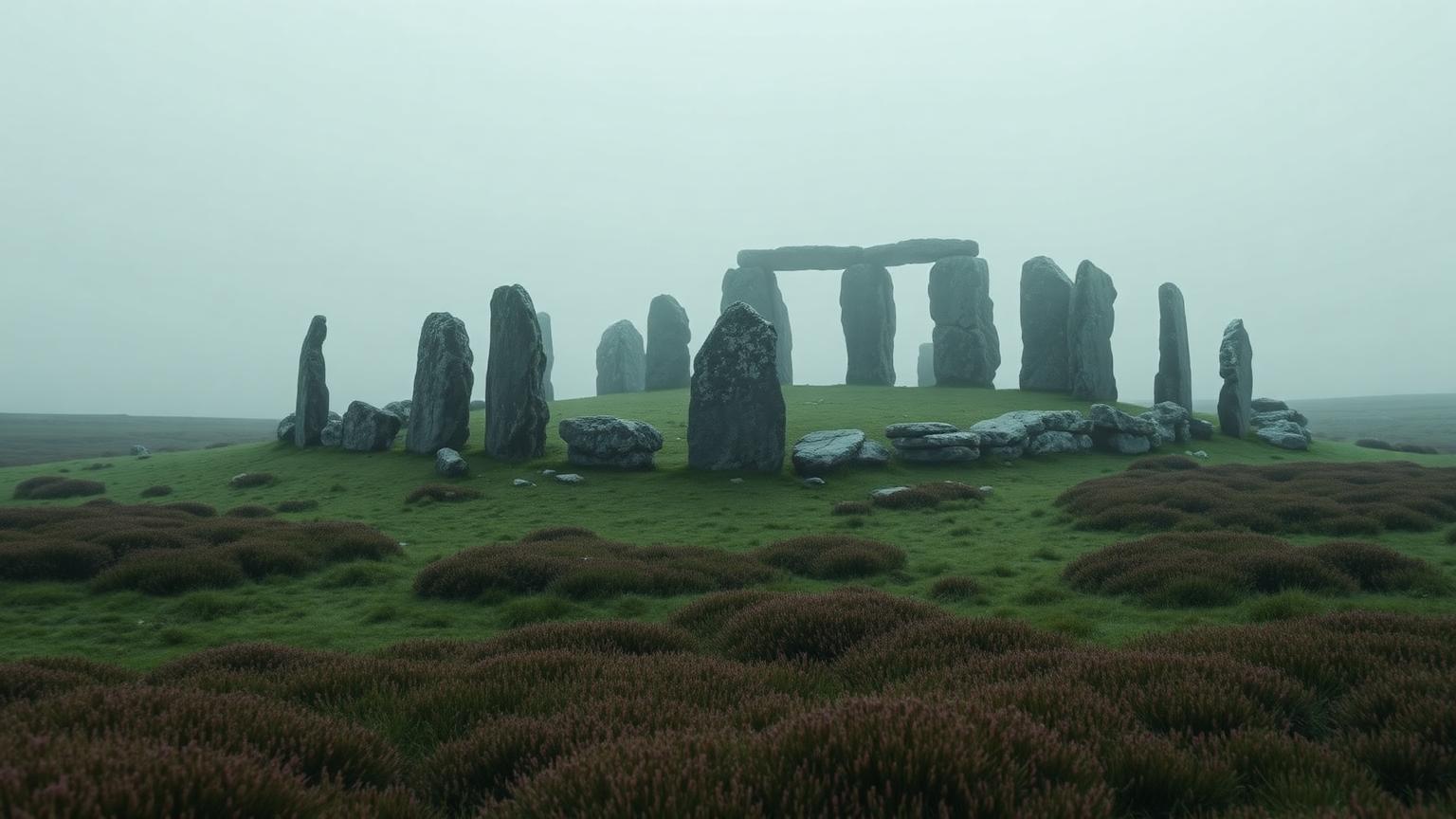
ArchaeologicalStonehenge
Wiltshire, England
Why were bluestones moved 150 miles, and what was the monument for?
ArchaeologicalNazca Lines
Nazca Desert, Peru
What were geoglyphs meant to do for people who could not see them from above?
SpeculativeAtlantis
Textual
Is there any evidentiary basis for Atlantis beyond two Platonic dialogues?
ArchaeologicalDoggerland
North Sea
How much human history is sitting under post-glacial sea level rise?
Open DebateSea Peoples
Eastern Mediterranean
Who were the Sea Peoples, and were they a cause of collapse or a symptom of it?
Open DebateBronze Age Collapse
Eastern Mediterranean
Why did an interconnected system of empires fail within roughly fifty years?
ArchaeologicalAntikythera Mechanism
Aegean Sea
How advanced was Greek gearing, and why is there nothing else like it?
Open DebateBaghdad Battery
Khujut Rabu, Iraq
Were these jars electrochemical cells, or storage vessels misread by modern expectations?
ArchaeologicalPuma Punku
Tiwanaku, Bolivia
How were interlocking andesite blocks cut to such tolerance without iron tools?
Open DebateYonaguni Monument
Okinawa, Japan
Is the Yonaguni formation carved, natural, or natural rock modified by people?
ArchaeologicalEaster Island
Rapa Nui, Pacific
Did Rapa Nui society collapse from self-inflicted ecological failure, or is that narrative wrong?
Open DebateVoynich Manuscript
Central Europe
Is the Voynich text a real language, a cipher, or an elaborate fabrication?
Primary sources, and how they reached us
Transmission history matters as much as content. Each document is a searchable knowledge hub.
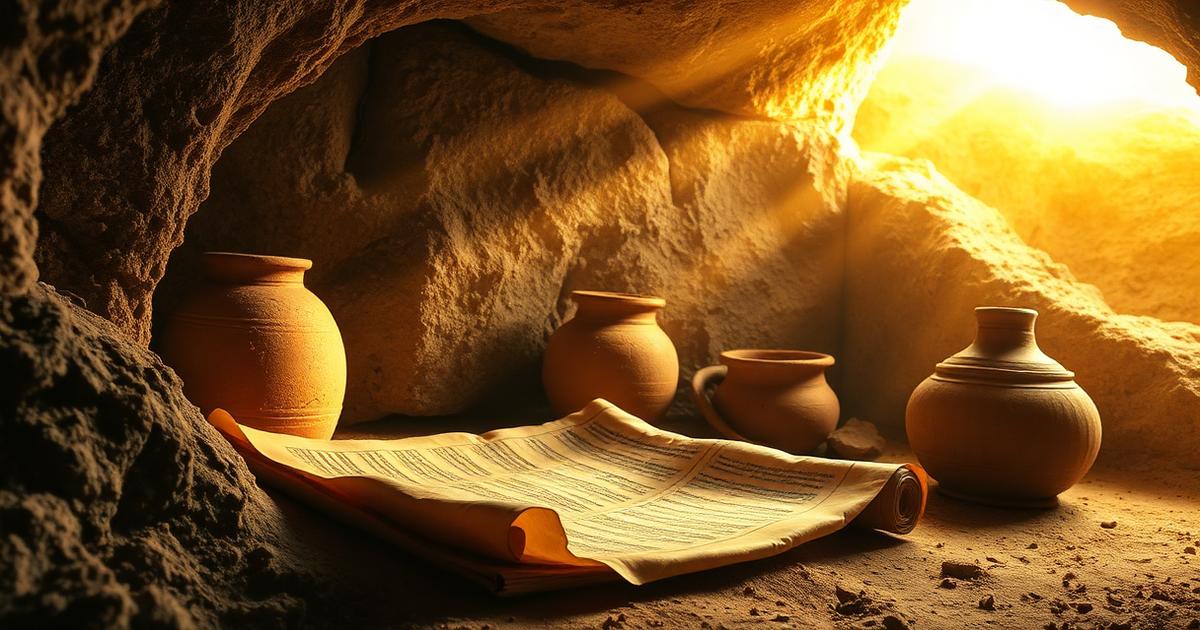
Dead Sea Scrolls
Qumran, Judaean Desert · c. 250 BCE – 68 CE
Roughly 900 manuscripts that reset what scholars knew about Second Temple Judaism and textual transmission.
Documented
Epic of Gilgamesh
Mesopotamia · c. 2100 – 1200 BCE
The oldest surviving long-form literature, assembled across a millennium of tablet traditions.
Documented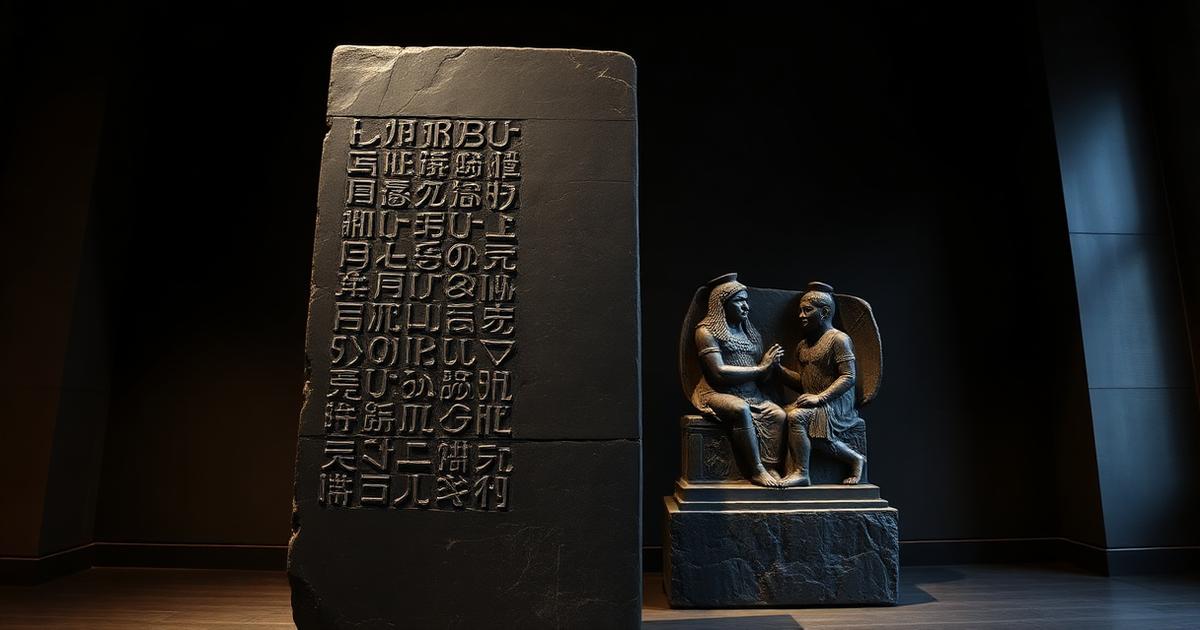
Code of Hammurabi
Babylon · c. 1754 BCE
282 provisions carved on a diorite stele — a legal monument as much as a working law code.
Documented
Book of Jubilees
Judaea · c. 160 – 100 BCE
A retelling of Genesis and Exodus on a strict 364-day calendar, preserved fully in Ge'ez.
Documented
Nag Hammadi Library
Upper Egypt · c. 350 CE (copies)
Thirteen codices that transformed the study of early Christian diversity.
Documented
Josephus
Rome / Judaea · c. 75 – 94 CE
The single most-used narrative source for first-century Judaea, written by a participant with obvious interests.
Documented
Herodotus
Halicarnassus · c. 430 BCE
The first surviving work of systematic inquiry — and a running lesson in source evaluation.
Documented
Tacitus
Rome · c. 98 – 117 CE
The sharpest surviving analyst of imperial Roman politics, working from senatorial records.
Documented
Plato
Athens · c. 399 – 347 BCE
Philosophical dialogues that also contain the earliest surviving mention of Atlantis.
Documented
Ancient Egyptian Texts
Egypt · c. 2400 BCE – 100 CE
Pyramid Texts, Coffin Texts, the Book of the Dead, and the administrative papyri that reveal daily logistics.
Documented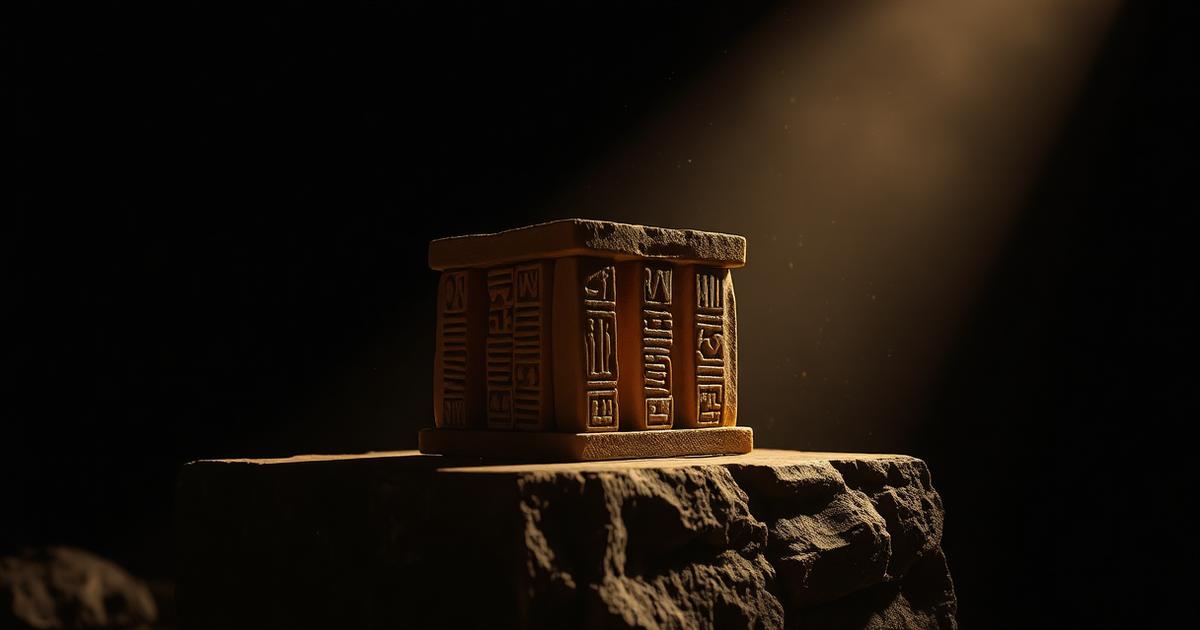
Sumerian King List
Mesopotamia · c. 2100 – 1800 BCE
A dynastic list mixing verifiable kings with reigns of tens of thousands of years.
Open DebateOriginal text, historical context, and modern commentary kept visibly separate — chapter by chapter, with a glossary, maps, genealogy, and an evidence center.
How we rate what we know
Every article in this pillar carries one of six classifications. We never present speculation as established fact.
Attested in primary written sources that historians treat as reliable for this claim.
Supported by excavated material: stratigraphy, artifacts, dating, or site survey.
The mainstream position across the relevant scientific literature today.
Specialists disagree. Competing interpretations are presented side by side.
Second City Standard's own reading of the evidence, labeled as such.
Proposed but unsupported by accepted evidence. Reported, never endorsed.
Every Ancient Civilizations article is built on the same spine:
- 01Hero Image
- 02Executive Summary
- 03Timeline
- 04Historical Background
- 05What Historians Know
- 06Current Scientific Research
- 07Evidence
- 08Academic Debate
- 09Questions Still Being Studied
- 10Key Takeaways
- 11Sources
- 12Related Articles
- 13Continue Reading
One more civilization
It is late and you have one more in you. Pick a world you have never stood in.