Carthage
A maritime superpower whose own account of itself was destroyed by the winners.
- Span
- c. 814 – 146 BCE
- Now
- Tunisia
- Coordinates
- 36.85° N, 10.32° E
- Palette
- Sea blue · limestone · Tyrian
Geography first. Everything else is a response to it.
Punic Carthage and its western colonies
Tunisia
Gulf of Tunis · Western Mediterranean · Atlantic coast routes
Carthage · Utica · Gadir · Panormus
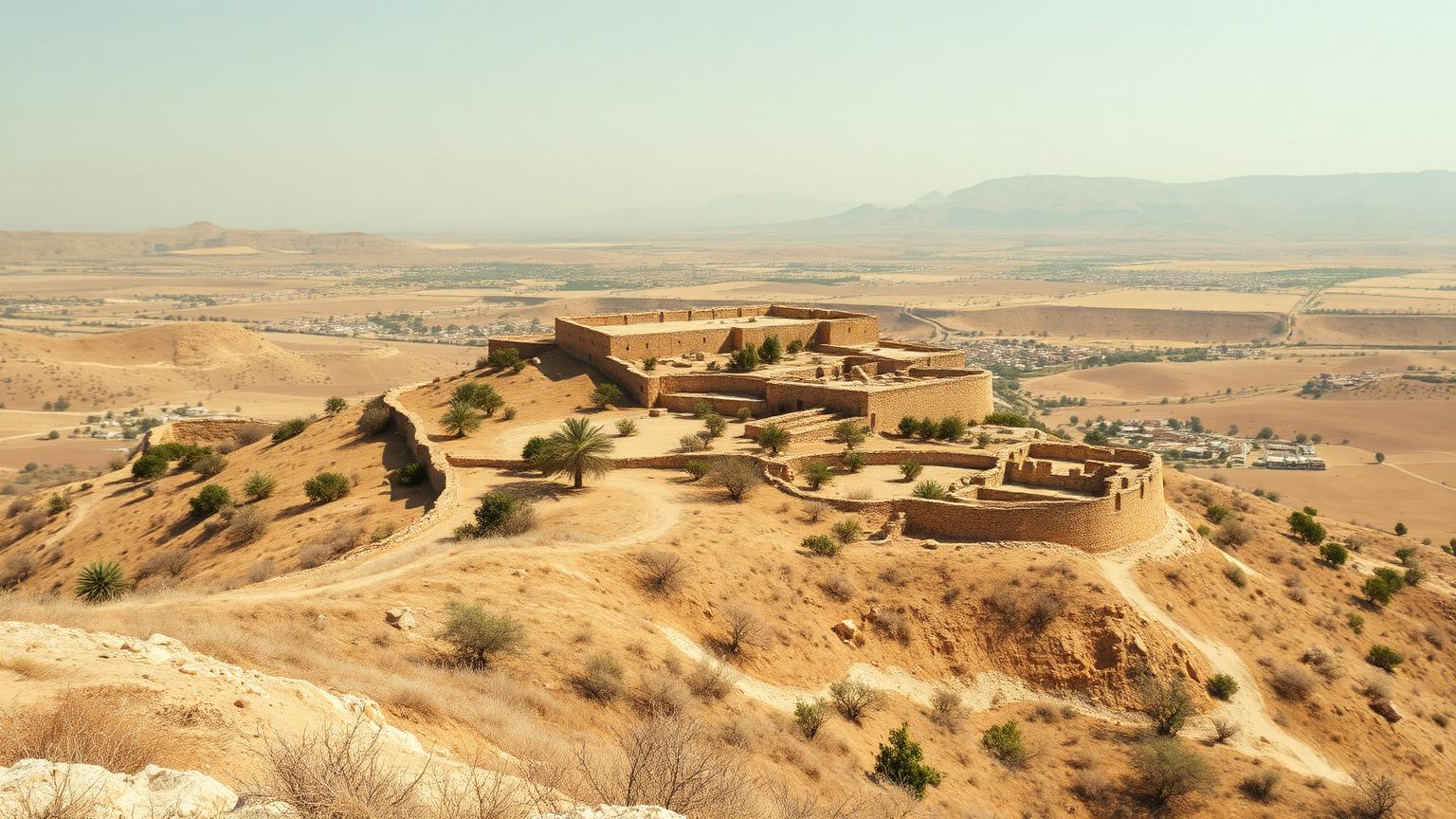
A defensible promontory sitting on the narrows between the eastern and western Mediterranean — whoever held it taxed the sea lane.
Fertile coastal plain behind the city supported large-scale agriculture; a Punic agronomy manual by Mago was valued enough that Rome had it translated after destroying its author's city.
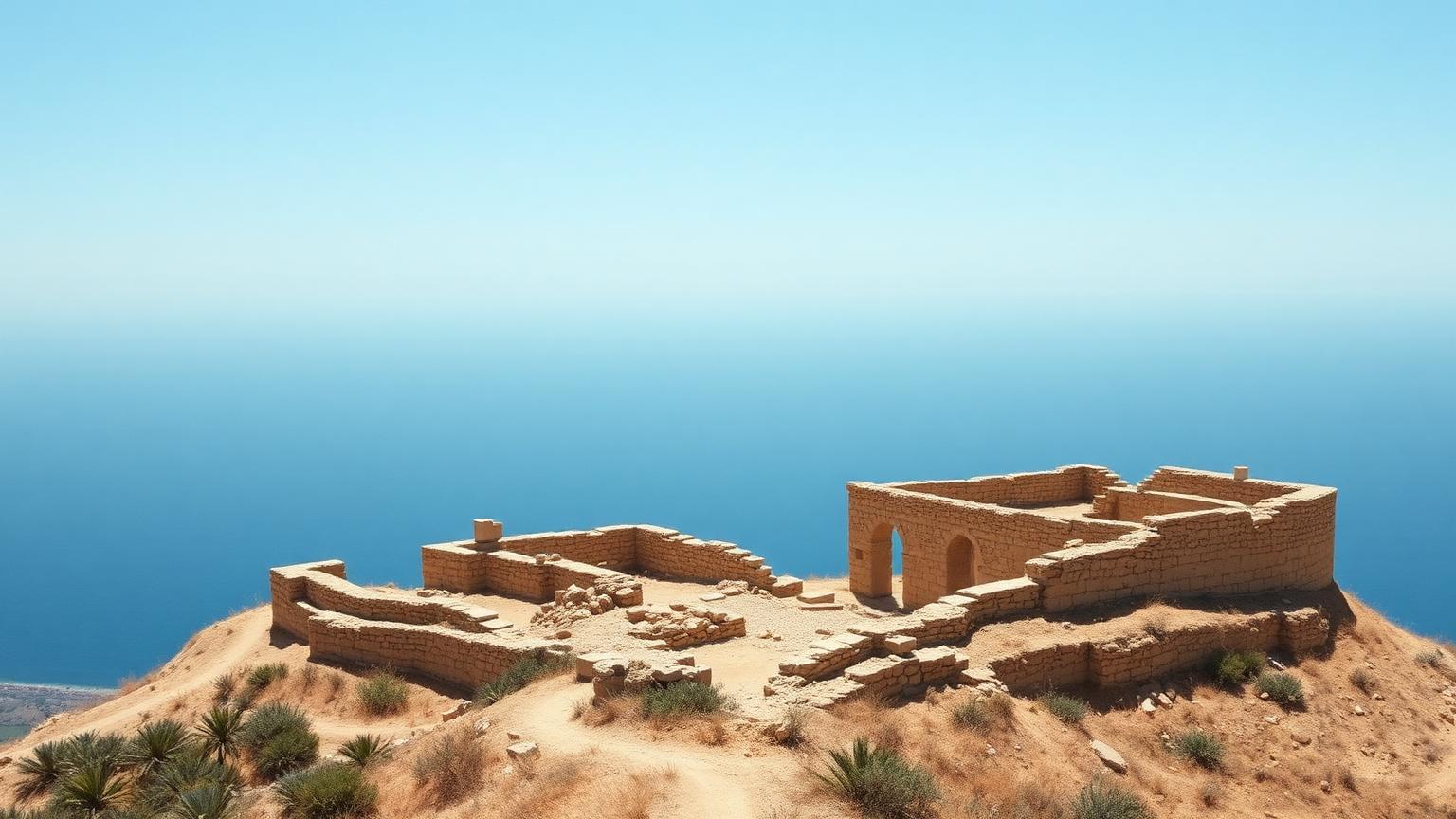
The circular military harbor (cothon) is still legible in the ground and in aerial imagery.
A Phoenician colony turned Mediterranean power, largely described to us by its enemies.
The civilization at a glance
Ancient population and army figures are estimates. Anything marked est. is a reconstruction, not a count.
What they built, and how it worked
Punic harbor
Naval mass production
Tophet debate
How we know what we claim
Editorial confidence ratings, not measurements. They describe how much of the picture rests on each channel — and where a single new find could move the file.
This rating governs the whole hub. Any claim on this page that outruns it is labeled where it appears.
- What does the tophet evidence actually show?
- How did Punic finance work?
Where the evidence stops
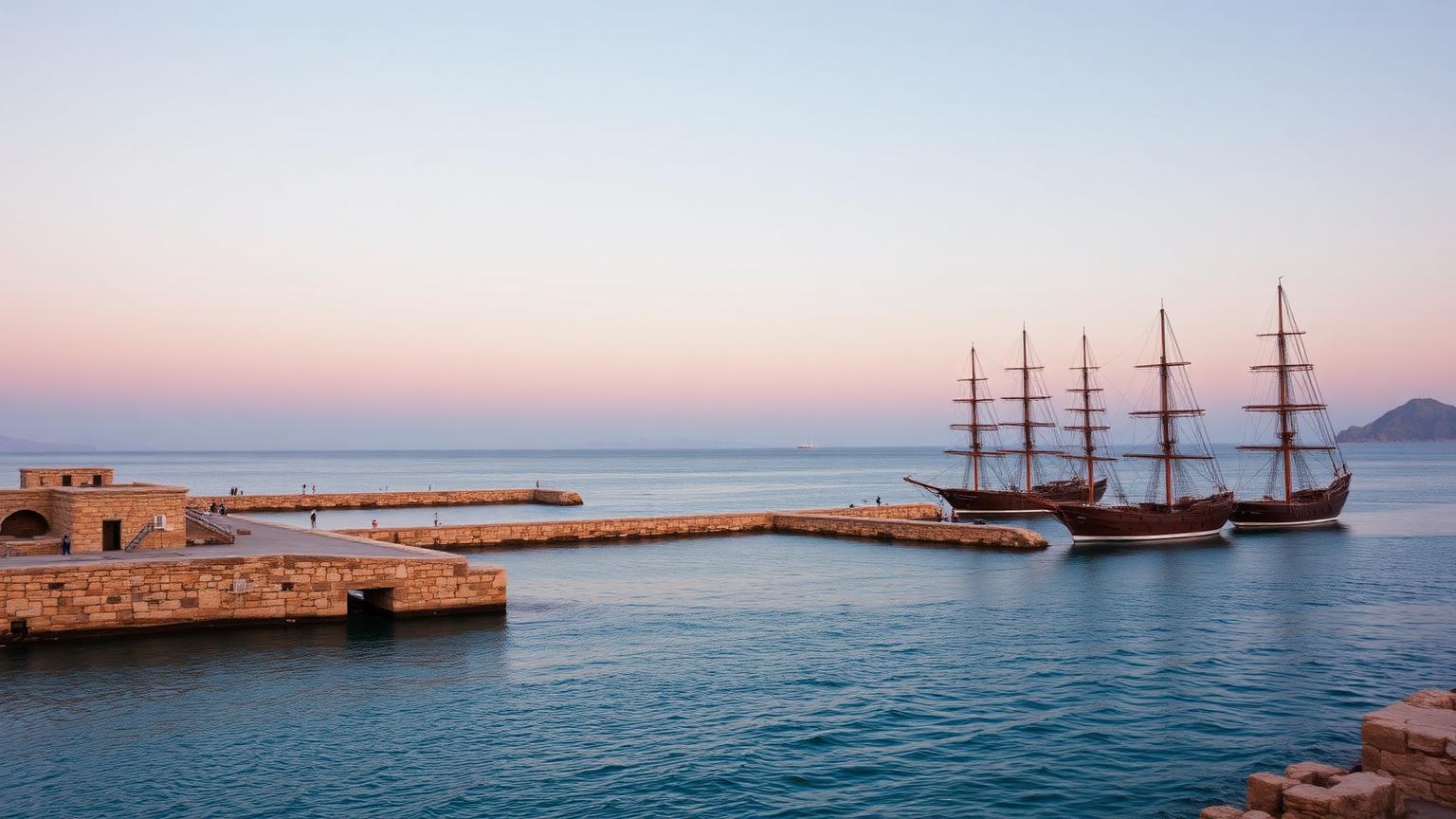
- Carthage ran a two-harbour naval complex and could build warships to standardized, numbered components.
- Almost all surviving narrative sources are written by its enemies.
- The Tophet contains infant burials; whether these represent ritual sacrifice, high infant mortality, or both, remains actively argued from the osteology.
- What Punic literature said — it is essentially gone.
- The real size of Hannibal's crossing force.
Who else was alive
North African coast · 814 BCE – 146 BCE. Bars below show civilizations alive at the same moment.
Where Carthage connects to the rest of the ancient record — the worlds it belongs to, the chapters it sits in, the documents that record it, and the questions still open.
One more civilization
Same moment in history, different world. Keep going.