Celts
A culture described almost entirely by the people who conquered it.
- Span
- c. 800 BCE – 400 CE
- Now
- France, Britain, Ireland, Alpine Europe
- Coordinates
- 47.50° N, 8.00° E
- Palette
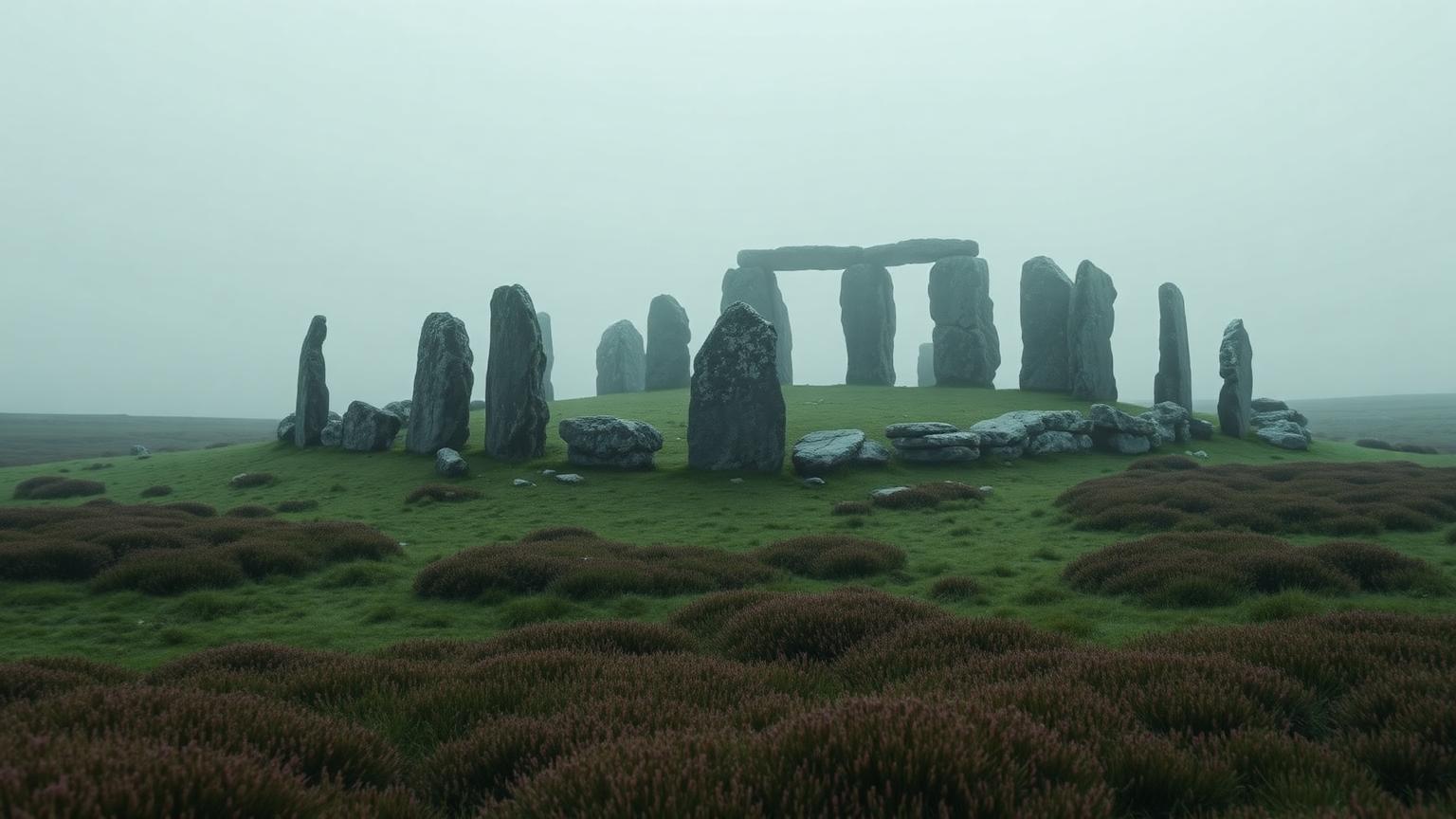
- Moss · granite · iron
Geography first. Everything else is a response to it.
Hallstatt and La Tène Europe
France, Britain, Ireland, Alpine Europe
Danube · Rhine · Atlantic seaboard
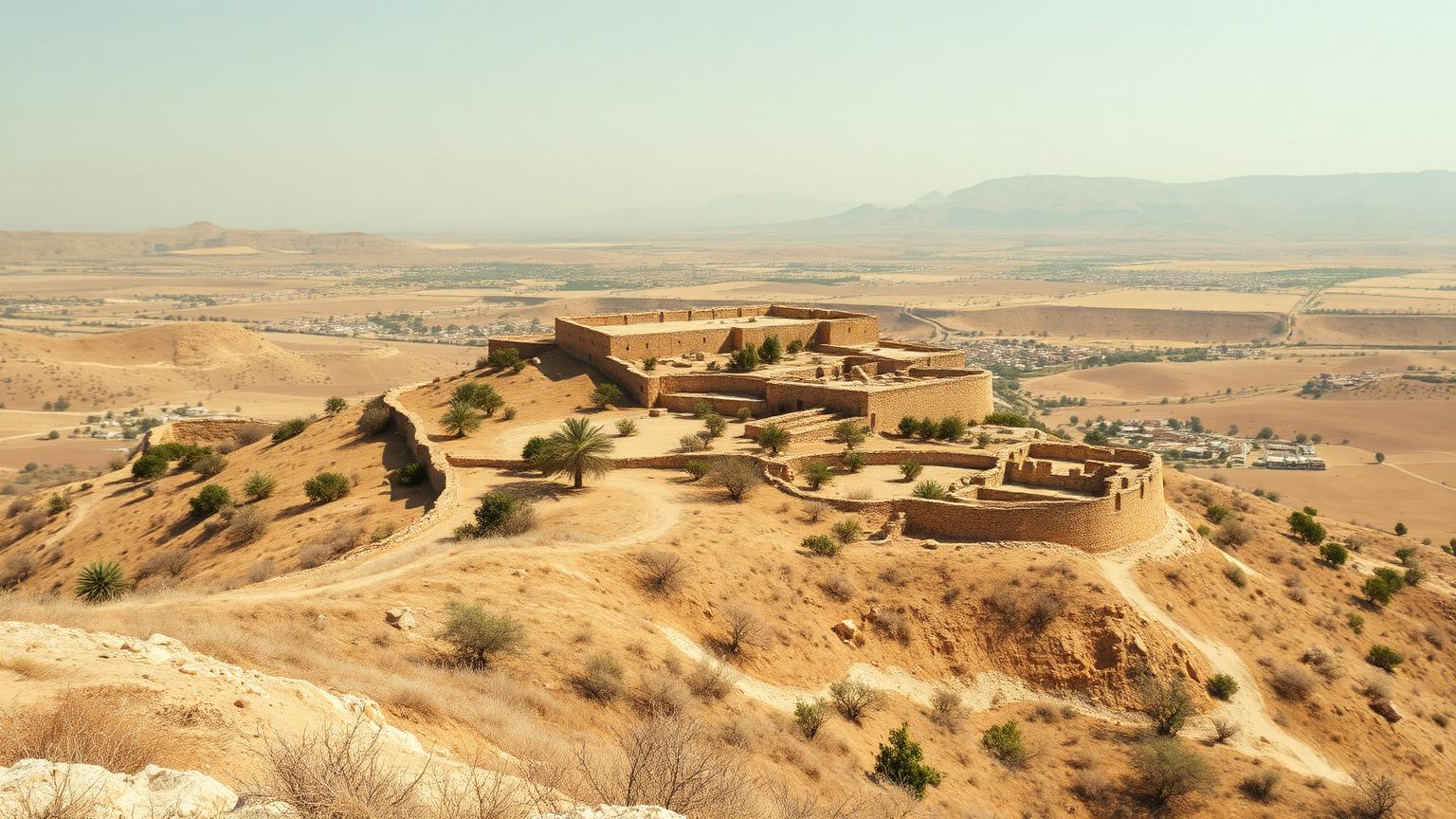
Bibracte · Manching · Hallstatt · Maiden Castle
Salt, iron and river routes across temperate Europe — wealth that shows up in graves long before it shows up in anyone's writing.
Hallstatt's salt mines preserved wooden tools, textiles and even miners' clothing in a way that ordinary soil never would.
Oppida — large fortified settlements — appear across Europe in the last two centuries BCE and look far more urban than the Roman description of 'barbarians' allows.
A label covering many peoples, defined more by material culture and language than by a single identity.
The civilization at a glance
Ancient population and army figures are estimates. Anything marked est. is a reconstruction, not a count.
What they built, and how it worked
Hallstatt and La Tène
Oppida urbanism
Bog deposits
How we know what we claim
Editorial confidence ratings, not measurements. They describe how much of the picture rests on each channel — and where a single new find could move the file.
This rating governs the whole hub. Any claim on this page that outruns it is labeled where it appears.
- Is 'Celtic' a useful ethnic category?
- How did La Tène style actually spread?
Where the evidence stops
- La Tène metalwork is technically sophisticated and stylistically coherent across a continent.
- Oppida had planned layouts, industrial quarters and coinage.
- 'Celtic' describes a shared material and linguistic sphere, not a single people or polity.
- Almost all internal political history.
- How much Caesar's account distorts what he was fighting.
Who else was alive
Temperate Europe · 800 BCE – 100 CE. Bars below show civilizations alive at the same moment.
Where Celts connects to the rest of the ancient record — the worlds it belongs to, the chapters it sits in, the documents that record it, and the questions still open.
Deep Time
All deep time →
Primary Sources
All primary sources →
One more civilization
Same moment in history, different world. Keep going.