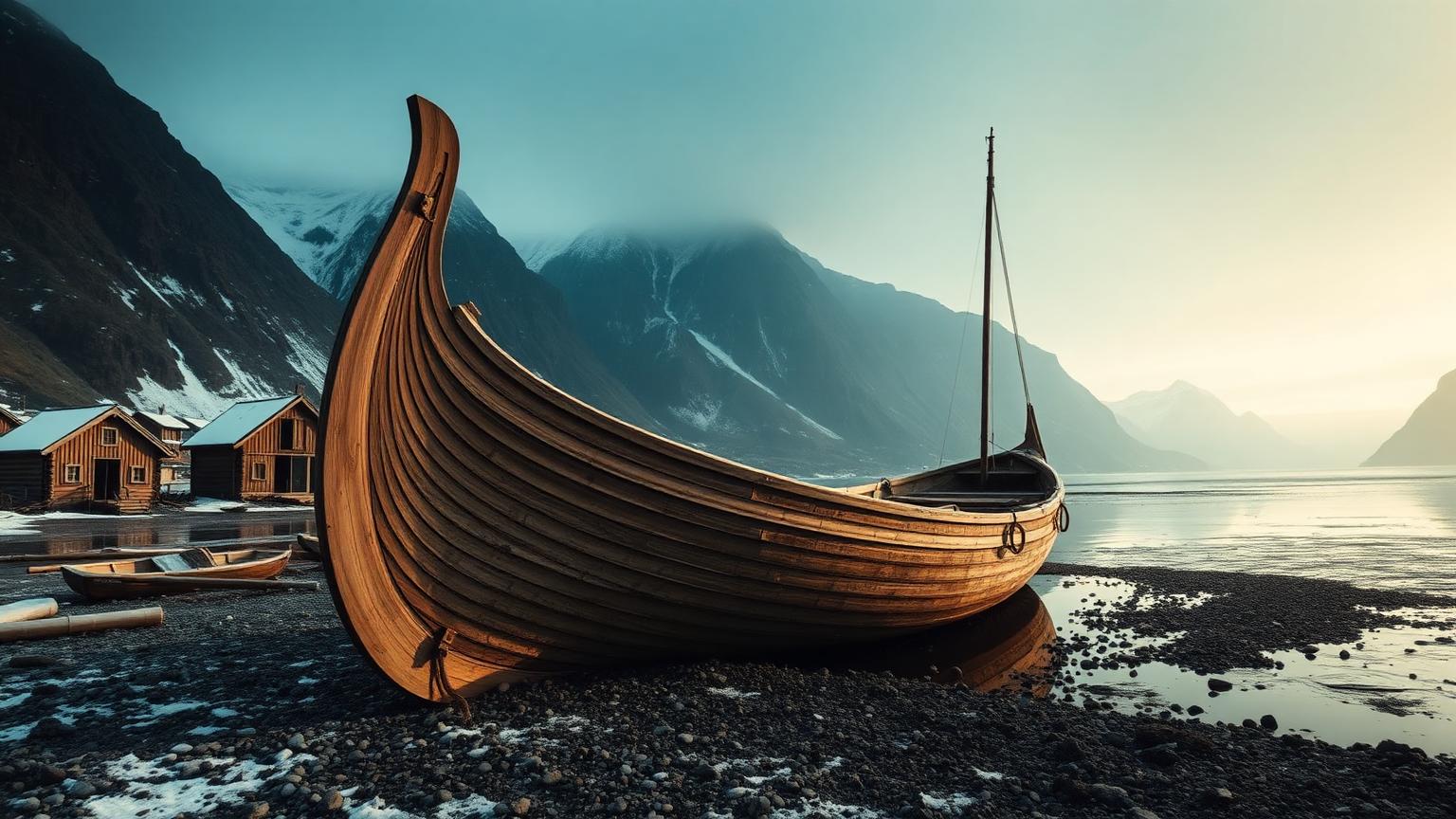
Middle Ages
476 – 1500 CE
What survived antiquity, what was copied, and what was lost in transmission.
Every claim in this period carries its evidence with it.
Charters, chronicles, manuscript libraries, standing buildings, archaeology of towns and farms, and increasingly dendrochronology and ancient DNA.
- 01
Literacy, scholarship and technical innovation continued through the period in monastic, Islamic and Byzantine institutions.
- 02
The medieval warm period and later cooling are documented in tree rings and other proxies.
- 03
Plague pandemics are confirmed by ancient DNA recovered from burials.
Each row states the method, what is actually measured, and — the part usually skipped — what the result does not settle.
| Method | Material | What it constrains |
|---|---|---|
| Dendrochronology | Timber in standing buildings and waterlogged deposits | Can date felling to a year, which anchors both buildings and climate records. |
| Ancient pathogen genomics | Dental pulp from plague-period burials | Identifies the pathogen and its lineage. Mortality rates still come from documentary estimates. |
| Charter and archival analysis | Land grants, court rolls and account books | Provides granular economic and legal data, skewed toward institutions that kept archives. |
How severe was post-Roman economic contraction in the west?
Pottery distribution and settlement data show sharp regional variation.
What ended the medieval period?
The boundary is a historiographic convenience, drawn differently by region and discipline.
“The Dark Ages were a thousand years of stagnation.”
The label was coined by later writers about themselves as much as about the past. The record shows continuous technical and intellectual work.
“Educated medieval people believed the Earth was flat.”
A spherical Earth was standard in medieval learned writing. The flat-Earth myth is a nineteenth-century invention.
- How did climate shifts interact with famine and plague?
- How much rural life is recoverable outside manorial records?
- How much manuscript material still sits uncatalogued in European libraries?
European dendrochronological climate reconstructions
Nature Geoscience / Dendrochronologia
Yersinia pestis ancient genome studies
Nature / PNAS
Who was alive, and where
Mediterranean World
Sea-connected states that argued about their own history in writing.
Northern Europe
Societies mostly described by outsiders, now being re-read from excavation.
The same centuries, side by side
Where Middle Ages connects to the rest of the ancient record — the worlds it belongs to, the chapters it sits in, the documents that record it, and the questions still open.
Worlds
All worlds →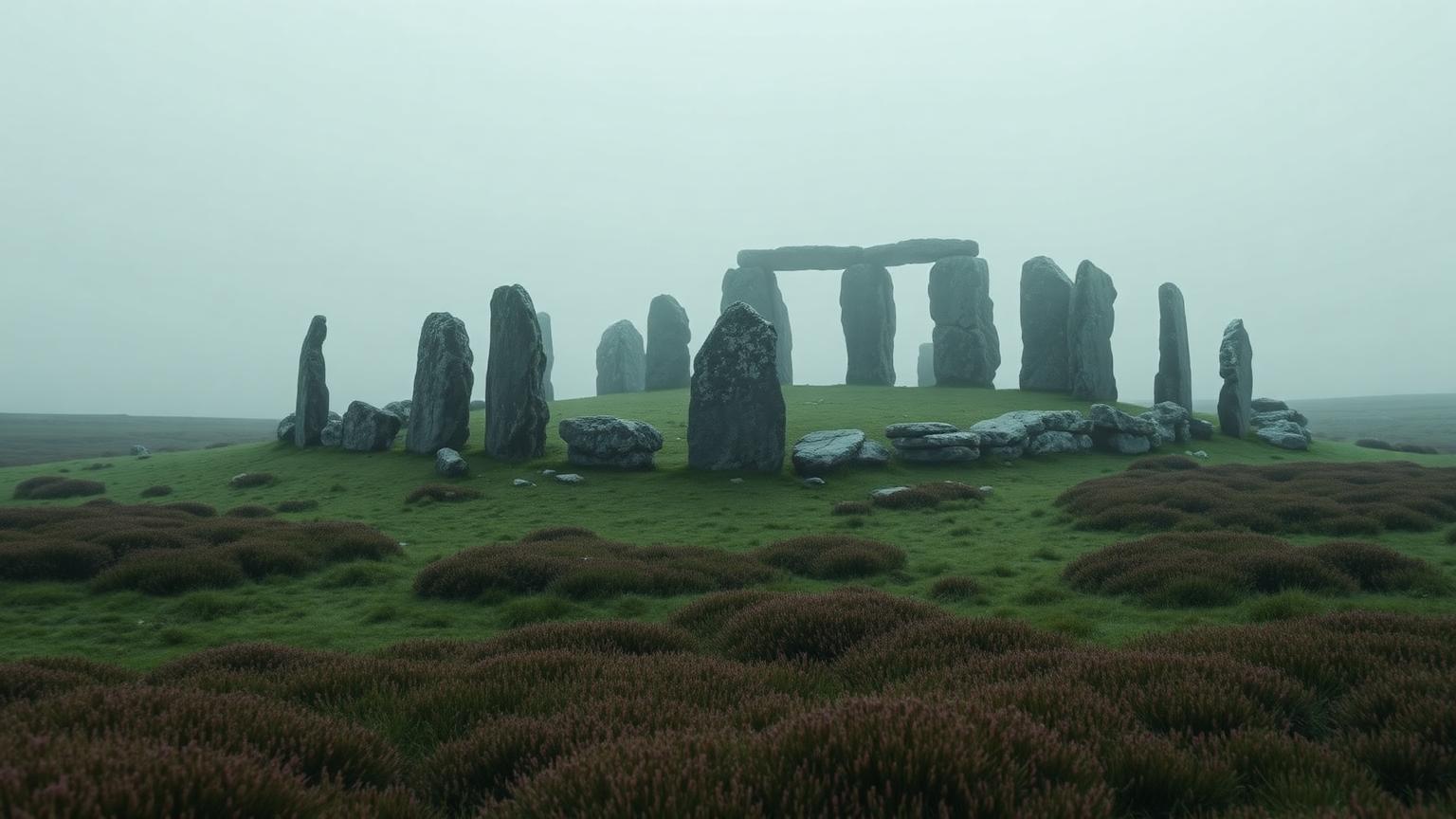
Celts
Europe · c. 800 BCE – 400 CE
A culture described almost entirely by the people who conquered it.
Alive during Middle Ages
Vikings
Scandinavia · c. 793 – 1066 CE
Traders, settlers and raiders whose reputation was written by their victims.
Alive during Middle Ages
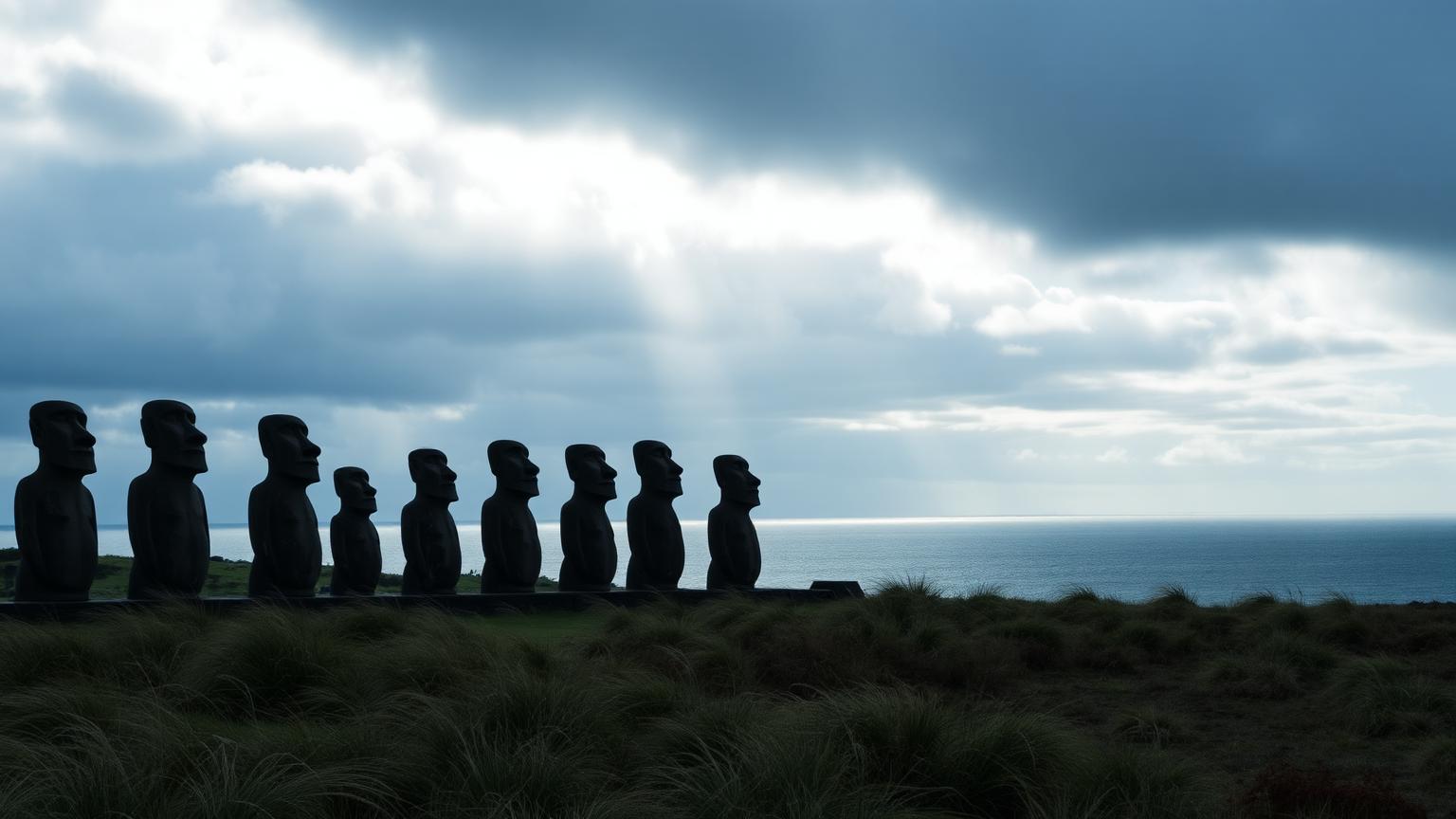
Rapa Nui
Pacific · c. 1200 – 1722 CE
The most isolated inhabited place on earth, and the most misread society in popular history.
Alive during Middle Ages
Primary Sources
All primary sources →
Evidence Files
All evidence files →Voynich Manuscript
Central Europe · c. 1404 – 1438 (vellum)
Is the Voynich text a real language, a cipher, or an elaborate fabrication?
Open question in Middle Ages
Stonehenge
Wiltshire, England · c. 3000 – 1500 BCE
Why were bluestones moved 150 miles, and what was the monument for?
Unresolved in Celts
Easter Island
Rapa Nui, Pacific · c. 1200 – 1600 CE
Did Rapa Nui society collapse from self-inflicted ecological failure, or is that narrative wrong?
Unresolved in Rapa Nui