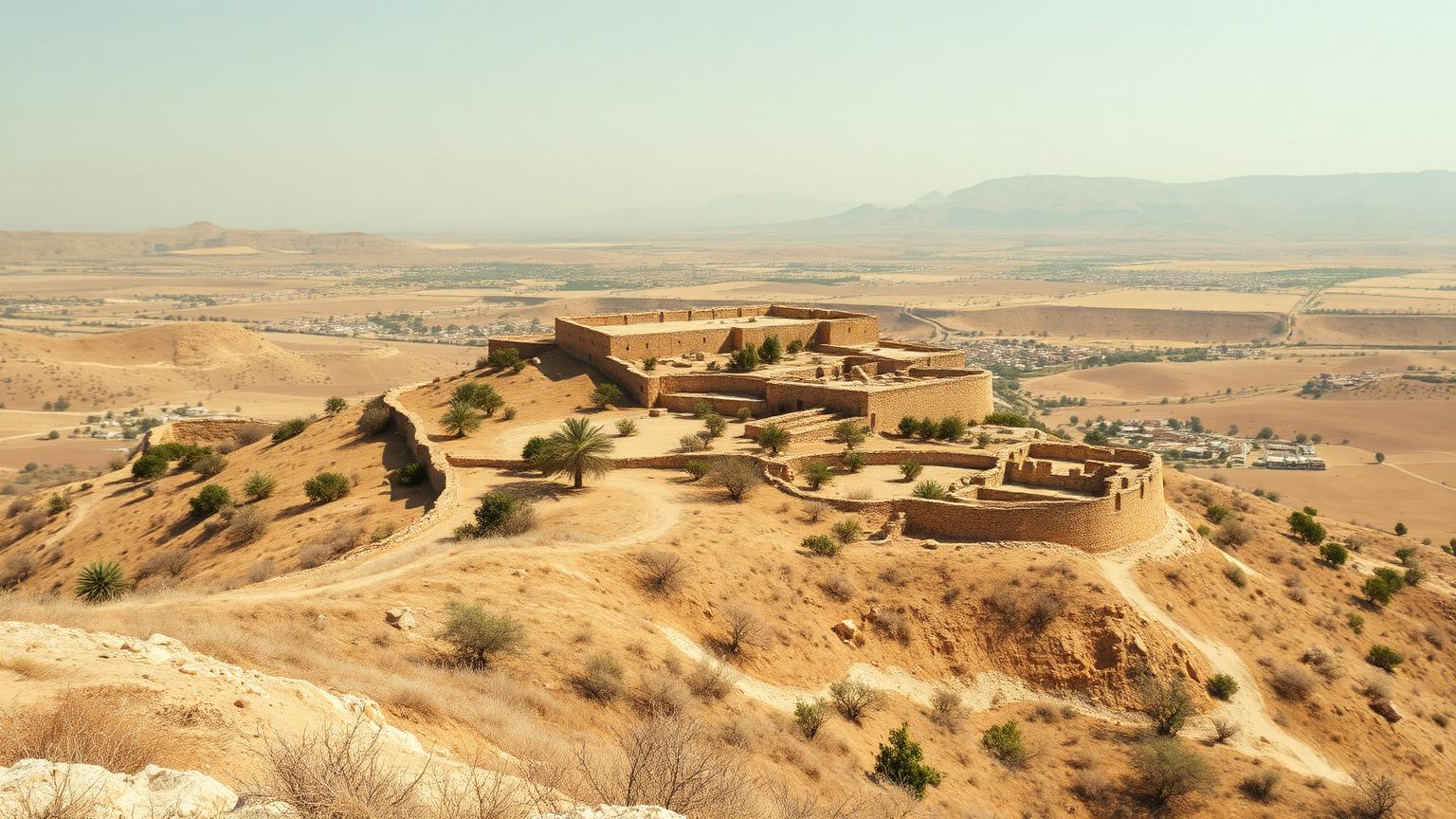
Israel
1200 – 586 BCE
Where text and excavation agree, where they diverge, and how the debate is argued.
Every claim in this period carries its evidence with it.
Excavated settlement sequences, epigraphic finds, the Dead Sea Scrolls, and a biblical textual tradition that is itself a primary source for the period that produced it.
- 01
The Dead Sea Scrolls demonstrate the state of Hebrew scriptural texts centuries earlier than previously available manuscripts.
- 02
Extra-biblical inscriptions reference the kingdoms of Israel and Judah and some of their rulers.
- 03
Settlement surveys document the emergence of highland villages in the Iron Age.
Each row states the method, what is actually measured, and — the part usually skipped — what the result does not settle.
| Method | Material | What it constrains |
|---|---|---|
| Stratigraphy and ceramic typology | Tell sequences and pottery assemblages | Establishes phasing. Attaching a layer to a named biblical event is interpretation, not observation. |
| Epigraphy | Stelae, ostraca and seal impressions | Provides independent attestation of names and polities where the text survives legibly. |
| Manuscript palaeography and radiocarbon | Dead Sea Scroll parchment and script forms | Dates the copies. It does not date the composition of the texts they carry. |
How large and centralized was the united monarchy?
High and low chronology camps read the same tenth-century strata very differently.
Who produced and stored the Qumran scrolls?
The sectarian settlement model is challenged by alternative library and deposit theories.
“Archaeology proves or disproves the Bible.”
It tests specific claims individually. Some are corroborated, some contradicted, most are outside its reach.
“The scrolls were suppressed.”
Publication was slow and contested, then completed. Full facsimiles are now openly available online.
- How did highland settlement actually form demographically?
- How much of the textual tradition predates the Persian period?
- What was the relationship between Qumran the site and the scroll deposits?
Leon Levy Dead Sea Scrolls Digital Library
Israel Antiquities Authority
Iron Age Levant excavation reports
Tel Aviv / Bulletin of ASOR
Who was alive, and where
Mesopotamia & the Fertile Crescent
Where cities, writing, law and accounting first appear in the same layer.
The same centuries, side by side
Where Israel connects to the rest of the ancient record — the worlds it belongs to, the chapters it sits in, the documents that record it, and the questions still open.
Worlds
All worlds →Primary Sources
All primary sources →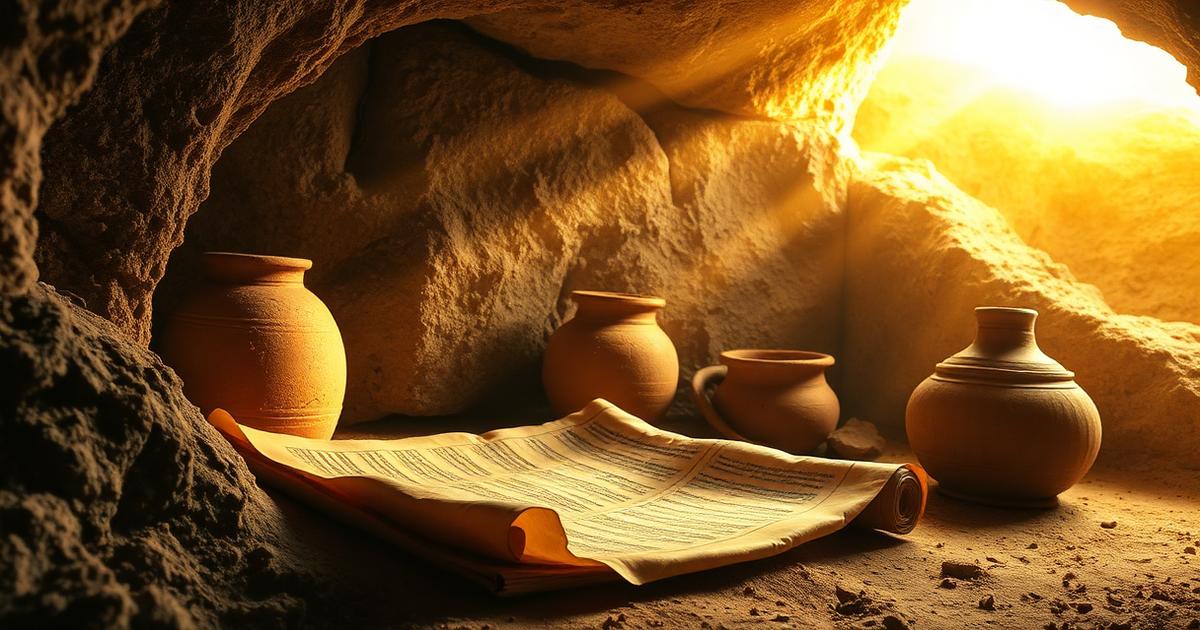
Dead Sea Scrolls
Qumran, Judaean Desert · c. 250 BCE – 68 CE
Roughly 900 manuscripts that reset what scholars knew about Second Temple Judaism and textual transmission.
Written in Israel

Book of Jubilees
Judaea · c. 160 – 100 BCE
A retelling of Genesis and Exodus on a strict 364-day calendar, preserved fully in Ge'ez.
Written in Israel

Josephus
Rome / Judaea · c. 75 – 94 CE
The single most-used narrative source for first-century Judaea, written by a participant with obvious interests.
Written in Israel