
Sumer
4500 – 1900 BCE
Cities, cuneiform, and the earliest written administration on record.
Every claim in this period carries its evidence with it.
Tens of thousands of cuneiform tablets, excavated city plans, temple and palace archives, and the material record of southern Mesopotamian mounds.
- 01
Writing appears here first as administrative accounting, then broadens into law, literature and letters.
- 02
Urbanism at scale — walled cities with temple institutions and specialized labor — is documented in the material record.
- 03
Sumerian is a language isolate, deciphered through bilingual texts with Akkadian.
Each row states the method, what is actually measured, and — the part usually skipped — what the result does not settle.
| Method | Material | What it constrains |
|---|---|---|
| Epigraphy and archival analysis | Administrative and literary cuneiform tablets | Gives direct testimony from the period. Archives record what institutions chose to record. |
| Stratigraphic excavation | Tell sequences at southern Mesopotamian city sites | Establishes phasing and destruction events; absolute dates need external anchors. |
| Astronomical and king-list synchronisms | Dated observations and regnal lists cross-checked against other archives | Builds the chronology framework. Competing high, middle and low chronologies still coexist. |
Which absolute chronology is correct?
High, middle and low schemes differ by roughly a century for the third and second millennia.
How centralized were early temple economies?
The 'temple city' model has been substantially revised toward mixed household and institutional economies.
“The Sumerian King List is a straight history.”
It is a political document with reigns of implausible length; it mixes tradition with legitimation.
“Sumer is the single origin of all civilization.”
It is the earliest well-documented urban literate society, which is not the same claim.
- How did the earliest proto-writing tokens become a full script?
- What was the demographic scale of the largest cities?
- How much of the archive record survives versus what was written on perishable media?
Cuneiform Digital Library Initiative corpus
CDLI / UCLA
Electronic Text Corpus of Sumerian Literature
University of Oxford
Who was alive, and where
Mesopotamia & the Fertile Crescent
Where cities, writing, law and accounting first appear in the same layer.
The same centuries, side by side
Where Sumer connects to the rest of the ancient record — the worlds it belongs to, the chapters it sits in, the documents that record it, and the questions still open.
Worlds
All worlds →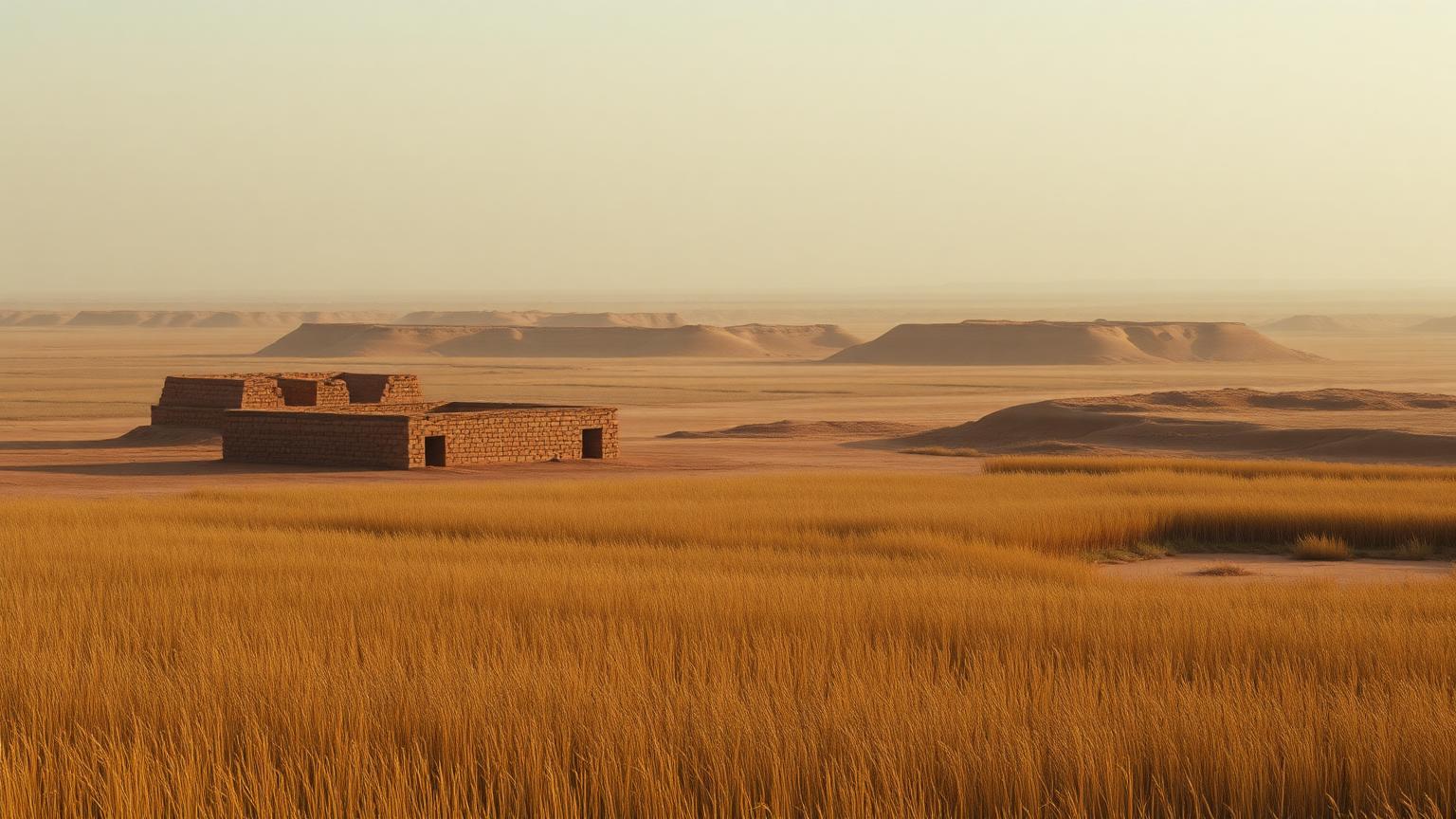
Mesopotamia
Tigris–Euphrates · c. 6000 – 539 BCE
The wider river world where cities, law and bureaucracy first appear together.
Alive during Sumer
Sumer
Southern Mesopotamia · c. 4500 – 1900 BCE
The first society that wrote down what it owed, and so became legible to us.
Alive during Sumer
Primary Sources
All primary sources →
Epic of Gilgamesh
Mesopotamia · c. 2100 – 1200 BCE
The oldest surviving long-form literature, assembled across a millennium of tablet traditions.
Written in Sumer
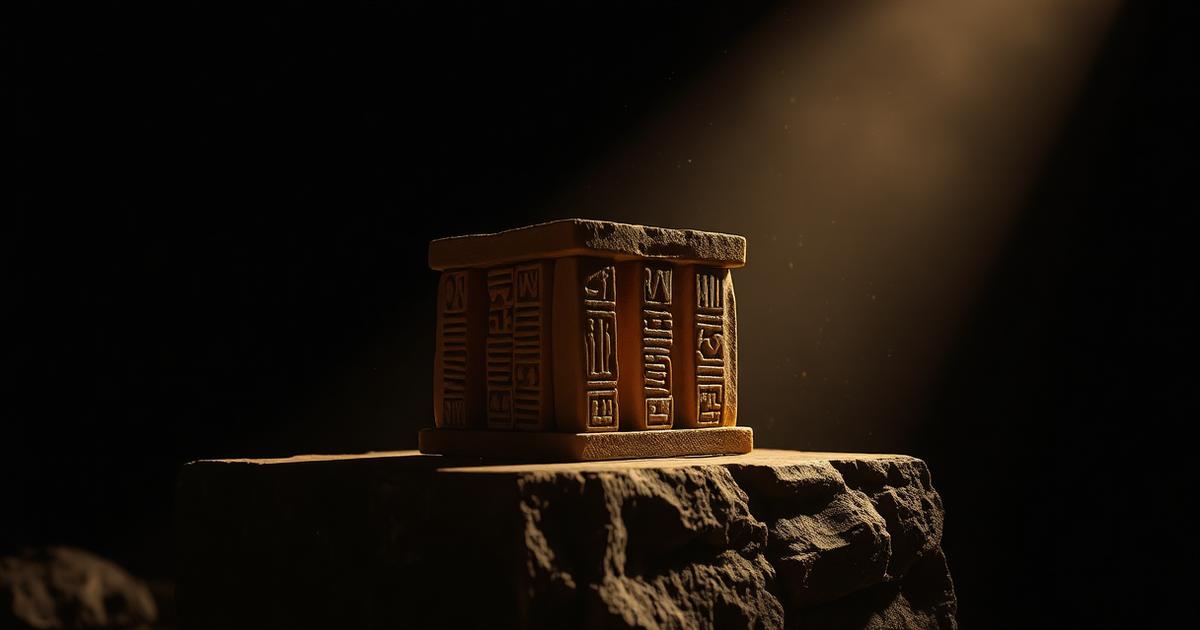
Sumerian King List
Mesopotamia · c. 2100 – 1800 BCE
A dynastic list mixing verifiable kings with reigns of tens of thousands of years.
Written in Sumer
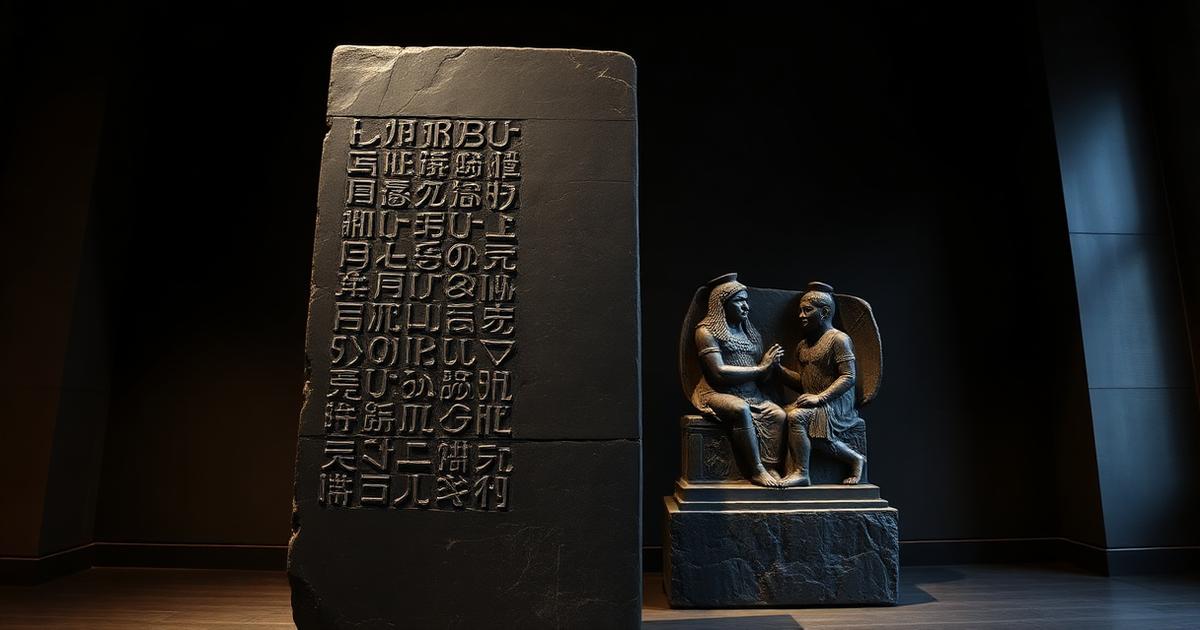
Code of Hammurabi
Babylon · c. 1754 BCE
282 provisions carved on a diorite stele — a legal monument as much as a working law code.
Source from Mesopotamia