Ancient Civilizations & Origins · Primary Sources
The records themselves
The primary sources index: the surviving records of the ancient world, what each one can actually carry as evidence, and the questions each still leaves open.
- Sources
- 11
- Open questions
- 22
How strong the record is across this collection
- 10 Documented Historical Record
- 1 Active Academic Debate
A surviving text is not the same as a verified event. Each record is graded for what it can carry, not for how famous it is.
Attested in primary written sources that historians treat as reliable for this claim.
Supported by excavated material: stratigraphy, artifacts, dating, or site survey.
The mainstream position across the relevant scientific literature today.
Specialists disagree. Competing interpretations are presented side by side.
Second City Standard's own reading of the evidence, labeled as such.
Proposed but unsupported by accepted evidence. Reported, never endorsed.
01 · c. 250 BCE – 68 CE
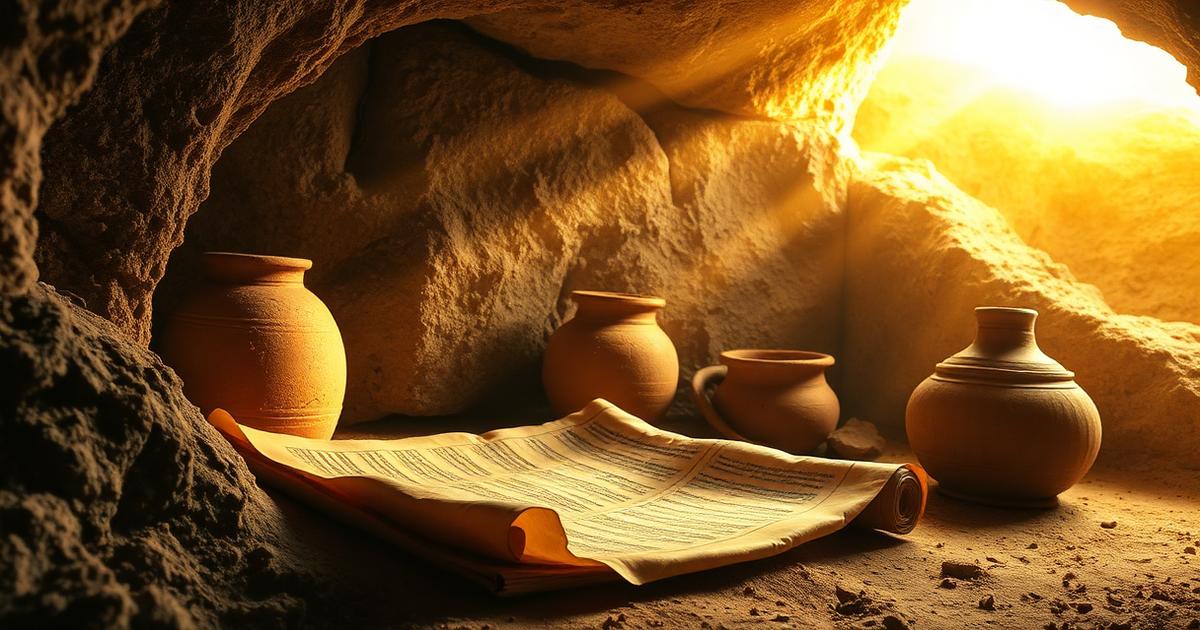
Dead Sea Scrolls
DocumentedQumran, Judaean Desert
Roughly 900 manuscripts that reset what scholars knew about Second Temple Judaism and textual transmission.
2 open questions

02 · c. 2100 – 1200 BCE
Epic of Gilgamesh
DocumentedMesopotamia
The oldest surviving long-form literature, assembled across a millennium of tablet traditions.
2 open questions
03 · c. 1754 BCE
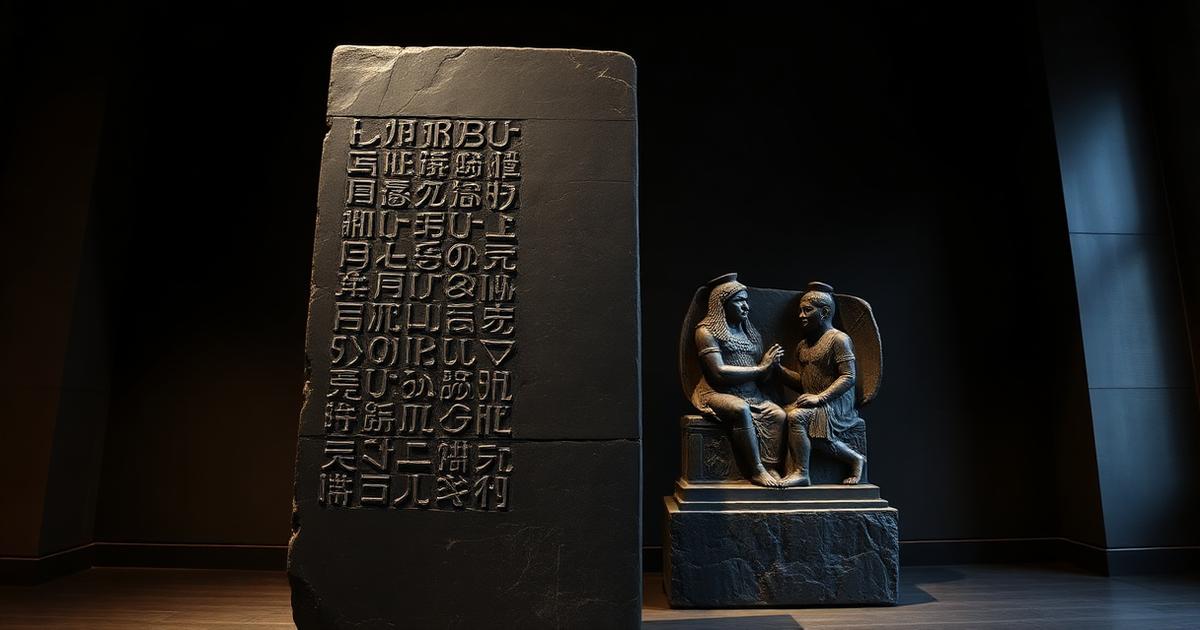
Code of Hammurabi
DocumentedBabylon
282 provisions carved on a diorite stele — a legal monument as much as a working law code.
2 open questions

04 · c. 160 – 100 BCE
Book of Jubilees
DocumentedJudaea
A retelling of Genesis and Exodus on a strict 364-day calendar, preserved fully in Ge'ez.
2 open questions

05 · c. 350 CE (copies)
Nag Hammadi Library
DocumentedUpper Egypt
Thirteen codices that transformed the study of early Christian diversity.
2 open questions

06 · c. 75 – 94 CE
Josephus
DocumentedRome / Judaea
The single most-used narrative source for first-century Judaea, written by a participant with obvious interests.
2 open questions
07 · c. 430 BCE
Herodotus
DocumentedHalicarnassus
The first surviving work of systematic inquiry — and a running lesson in source evaluation.
2 open questions
08 · c. 98 – 117 CE
Tacitus
DocumentedRome
The sharpest surviving analyst of imperial Roman politics, working from senatorial records.
2 open questions

09 · c. 399 – 347 BCE
Plato
DocumentedAthens
Philosophical dialogues that also contain the earliest surviving mention of Atlantis.
2 open questions
10 · c. 2400 BCE – 100 CE
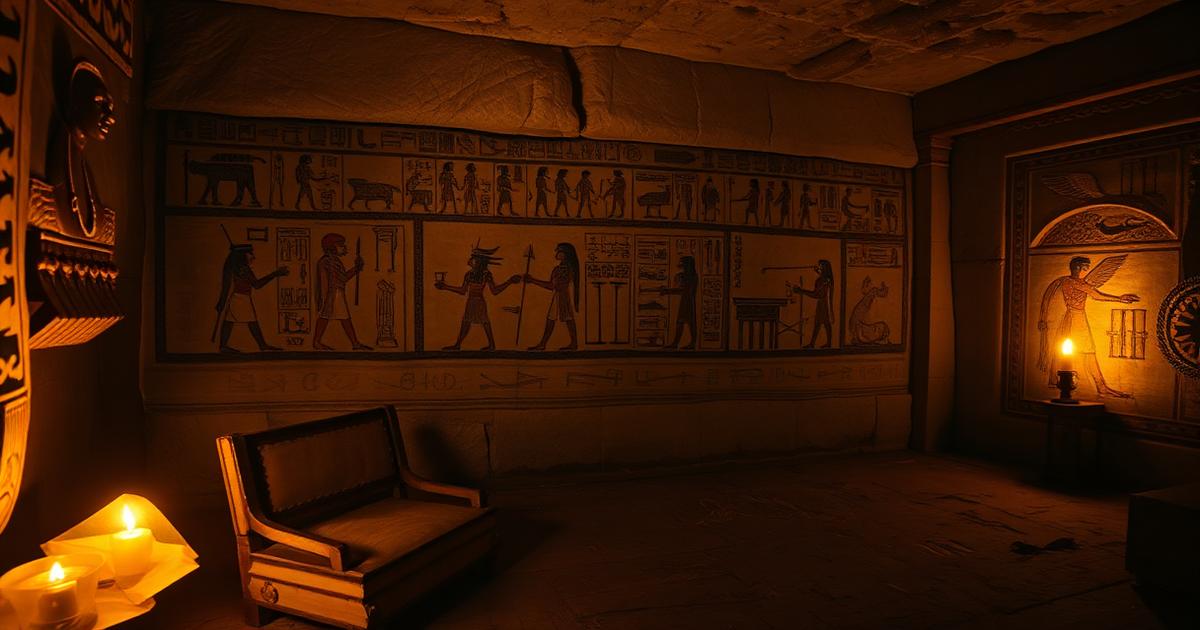
Ancient Egyptian Texts
DocumentedEgypt
Pyramid Texts, Coffin Texts, the Book of the Dead, and the administrative papyri that reveal daily logistics.
2 open questions
11 · c. 2100 – 1800 BCE
Sumerian King List
Open DebateMesopotamia
A dynastic list mixing verifiable kings with reigns of tens of thousands of years.
2 open questions