
Herodotus
Halicarnassus · c. 430 BCE
The first surviving work of systematic inquiry — and a running lesson in source evaluation.
What the document is
The Histories, an account of the Greco-Persian wars framed by ethnography.
Why it matters
Where archaeology can test him, he is right more often than his 'father of lies' reputation implies.
How we treat this record
Attested in primary written sources that historians treat as reliable for this claim.
- Q01How much did he travel personally?
- Q02Which oral sources shaped which books?

Documents that share themes, people, or historical periods with Herodotus.

Plato
Documentedc. 399 – 347 BCE
Philosophical dialogues that also contain the earliest surviving mention of Atlantis.
source evaluation · Same period: Greece, Egypt

Tacitus
Documentedc. 98 – 117 CE
The sharpest surviving analyst of imperial Roman politics, working from senatorial records.
narrative history · warfare accounts
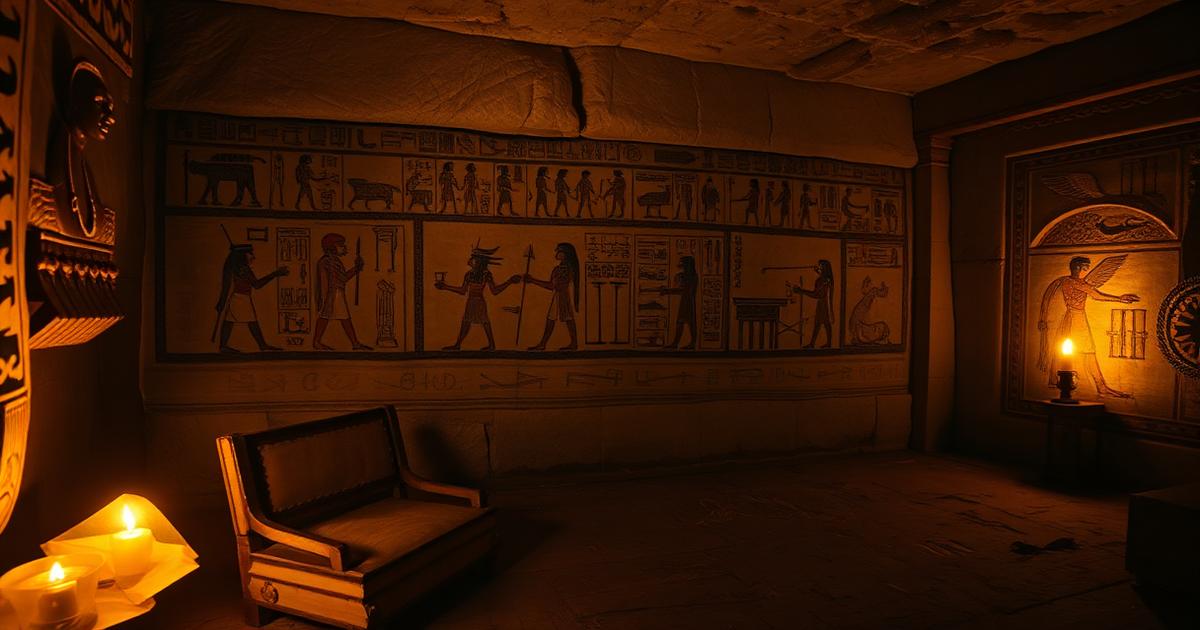
Ancient Egyptian Texts
Documentedc. 2400 BCE – 100 CE
Pyramid Texts, Coffin Texts, the Book of the Dead, and the administrative papyri that reveal daily logistics.
Same period: Egypt

Nag Hammadi Library
Documentedc. 350 CE (copies)
Thirteen codices that transformed the study of early Christian diversity.
Same period: Egypt
Where Herodotus connects to the rest of the ancient record — the worlds it belongs to, the chapters it sits in, the documents that record it, and the questions still open.
Worlds
All worlds →Greece
Aegean · c. 800 – 146 BCE
The first culture that argued in writing about whether its own history was true.
Herodotus comes out of this world
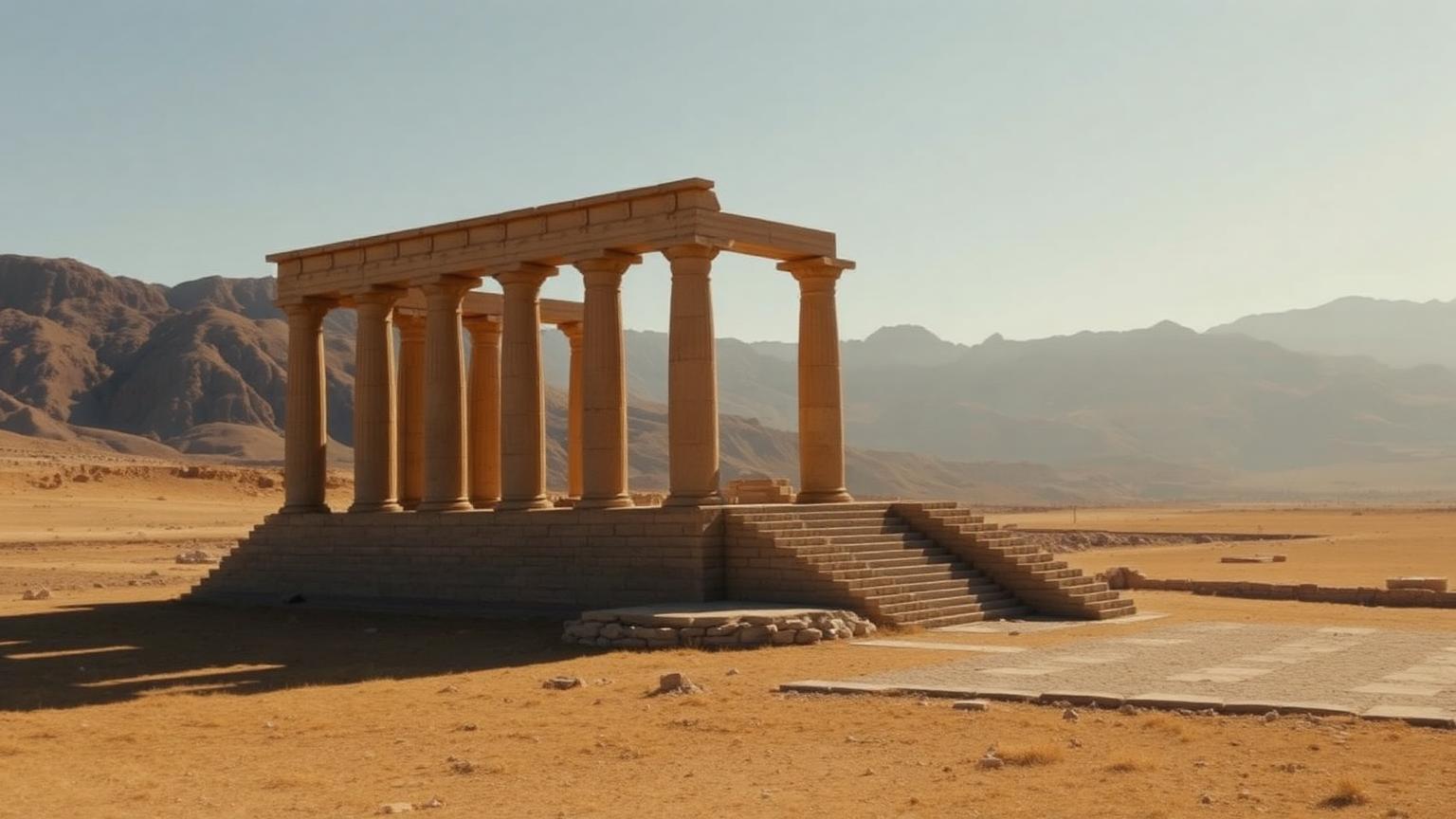
Persia
Iranian Plateau · c. 550 – 330 BCE
The first empire to run three continents on paperwork and roads.
Herodotus comes out of this world

Egypt
Northeast Africa · c. 3100 – 30 BCE
A civilization built along a river, recorded in stone, and still being excavated.
Herodotus comes out of this world
Deep Time
All deep time →Greece
800 – 146 BCE
City-states, natural philosophy, and the first surviving works of history.
Herodotus sits in this chapter
Persia
550 – 330 BCE
The Achaemenid administrative machine and the roads that held it together.
Herodotus sits in this chapter
Egypt
3100 – 30 BCE
Three thousand years of continuous state records, monuments, and engineering.
Herodotus sits in this chapter
Evidence Files
All evidence files →Antikythera Mechanism
Aegean Sea · c. 150 – 100 BCE
How advanced was Greek gearing, and why is there nothing else like it?
Open file in Greece
Atlantis
Textual · Described c. 360 BCE
Is there any evidentiary basis for Atlantis beyond two Platonic dialogues?
Open file in Greece
Bronze Age Collapse
Eastern Mediterranean · c. 1200 – 1150 BCE
Why did an interconnected system of empires fail within roughly fifty years?
Open file in Greece
Baghdad Battery
Khujut Rabu, Iraq · c. 250 BCE – 250 CE
Were these jars electrochemical cells, or storage vessels misread by modern expectations?
Open file in Persia