Greece
The first culture that argued in writing about whether its own history was true.
- Span
- c. 800 – 146 BCE
- Now
- Greece, western Turkey, southern Italy
- Coordinates
- 37.97° N, 23.72° E
- Palette
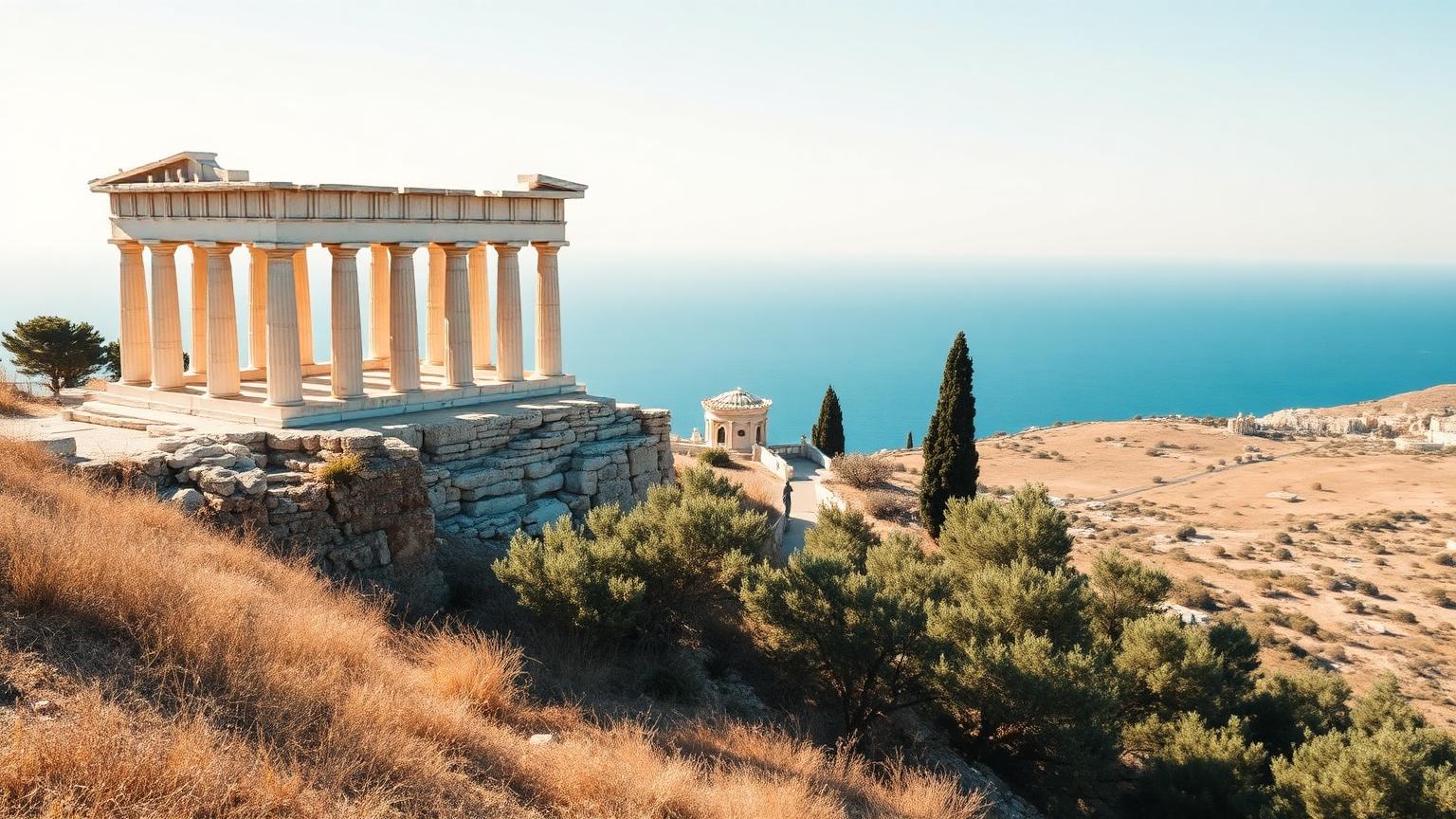
- Marble · Aegean blue
Geography first. Everything else is a response to it.
Poleis of the Aegean and their colonies
Greece, western Turkey, southern Italy
Aegean · Ionian · Black Sea routes
Athens · Sparta · Corinth · Miletus · Syracuse
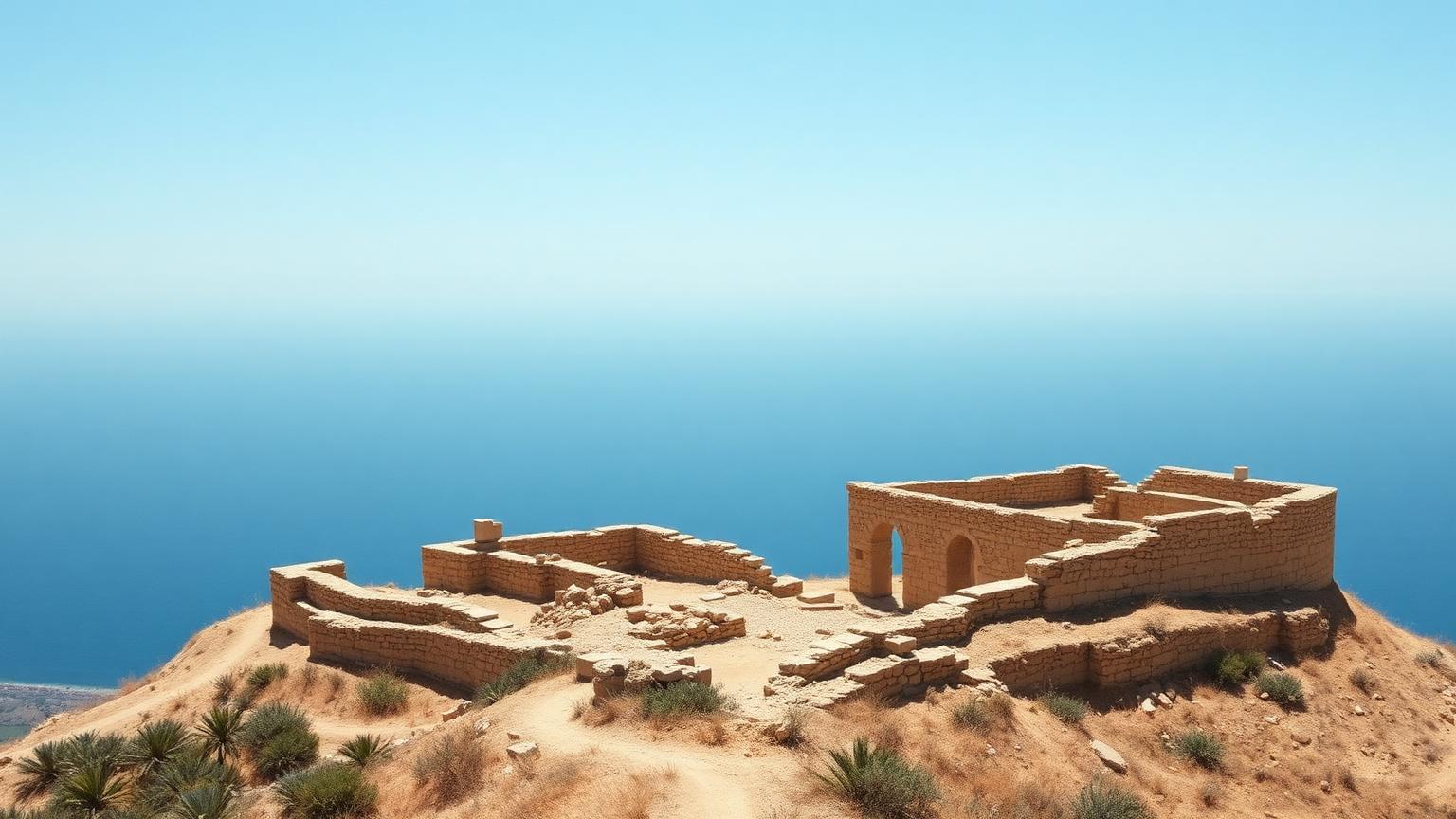
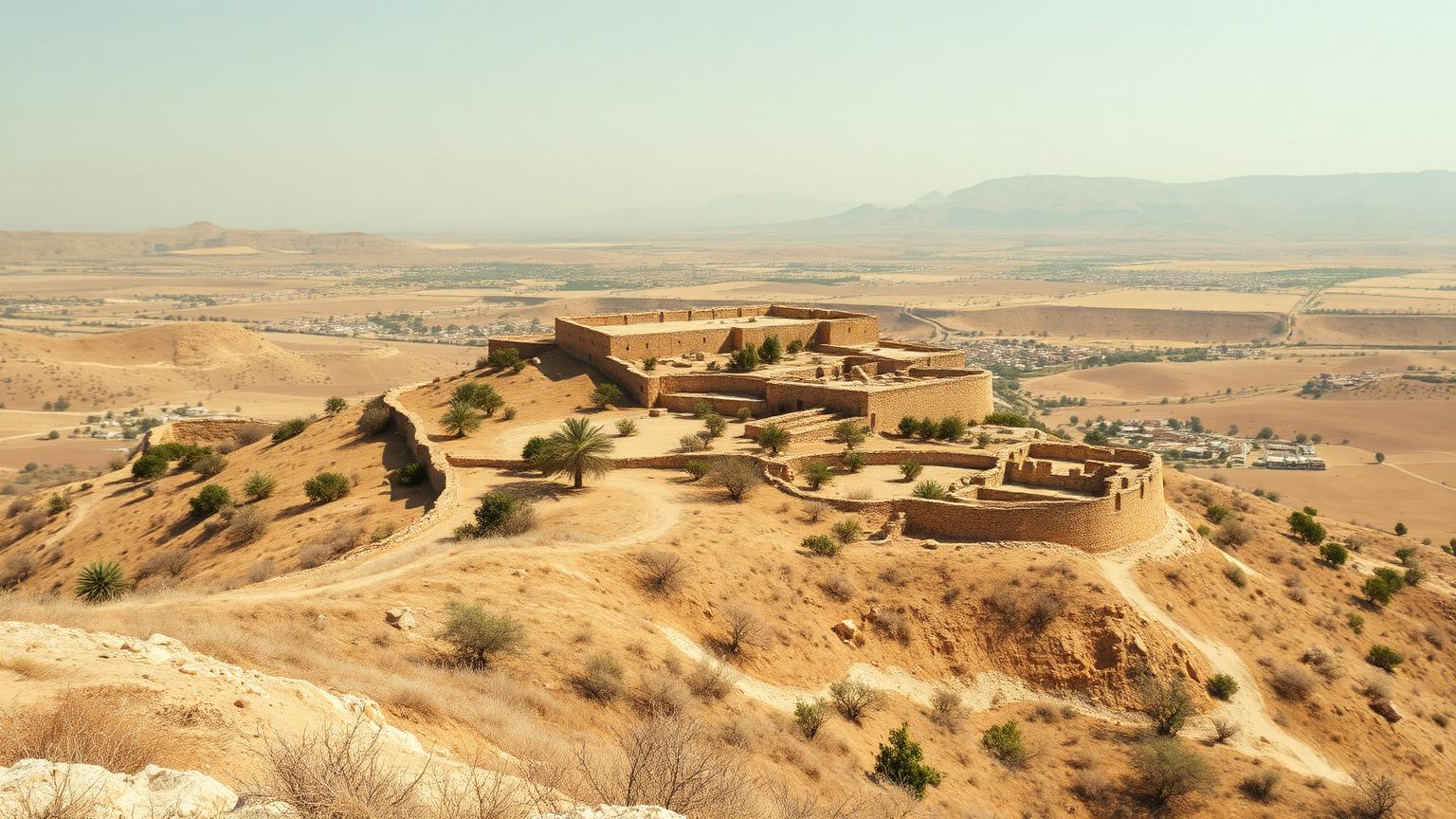
Mountains cut the land into small pockets, so political units stayed small; the sea connected them, so ideas did not.
Thin soils favored olives, vines and goats over grain, which made grain imports strategic and navies necessary.
Silver at Laurion funded the Athenian fleet — a geological fact with a large political consequence.
The origin point of surviving Western historical writing, natural philosophy, and a great deal of mechanical ingenuity.
The civilization at a glance
Ancient population and army figures are estimates. Anything marked est. is a reconstruction, not a count.
What they built, and how it worked
Herodotus and Thucydides
Antikythera mechanism
Polis warfare
How we know what we claim
Editorial confidence ratings, not measurements. They describe how much of the picture rests on each channel — and where a single new find could move the file.
This rating governs the whole hub. Any claim on this page that outruns it is labeled where it appears.
- How representative are Athenian sources?
- What was the real scale of Greek literacy?
Where the evidence stops
- The Antikythera mechanism proves geared astronomical computation existed by the second century BCE.
- Athenian inscriptions let us audit public accounts, including temple construction budgets.
- Surviving sources over-represent Athens; most of what is said about 'the Greeks' is really said about one city.
- How many people could actually read.
- How typical Athenian democracy was.
Who else was alive
Aegean · 800 BCE – 146 BCE. Bars below show civilizations alive at the same moment.
Where Greece connects to the rest of the ancient record — the worlds it belongs to, the chapters it sits in, the documents that record it, and the questions still open.
Deep Time
All deep time →Primary Sources
All primary sources →
Herodotus
Halicarnassus · c. 430 BCE
The first surviving work of systematic inquiry — and a running lesson in source evaluation.
Primary source for Greece

Plato
Athens · c. 399 – 347 BCE
Philosophical dialogues that also contain the earliest surviving mention of Atlantis.
Primary source for Greece
Evidence Files
All evidence files →Antikythera Mechanism
Aegean Sea · c. 150 – 100 BCE
How advanced was Greek gearing, and why is there nothing else like it?
Open question inside Greece
Atlantis
Textual · Described c. 360 BCE
Is there any evidentiary basis for Atlantis beyond two Platonic dialogues?
Open question inside Greece
Bronze Age Collapse
Eastern Mediterranean · c. 1200 – 1150 BCE
Why did an interconnected system of empires fail within roughly fifty years?
Open question inside Greece
One more civilization
Same moment in history, different world. Keep going.