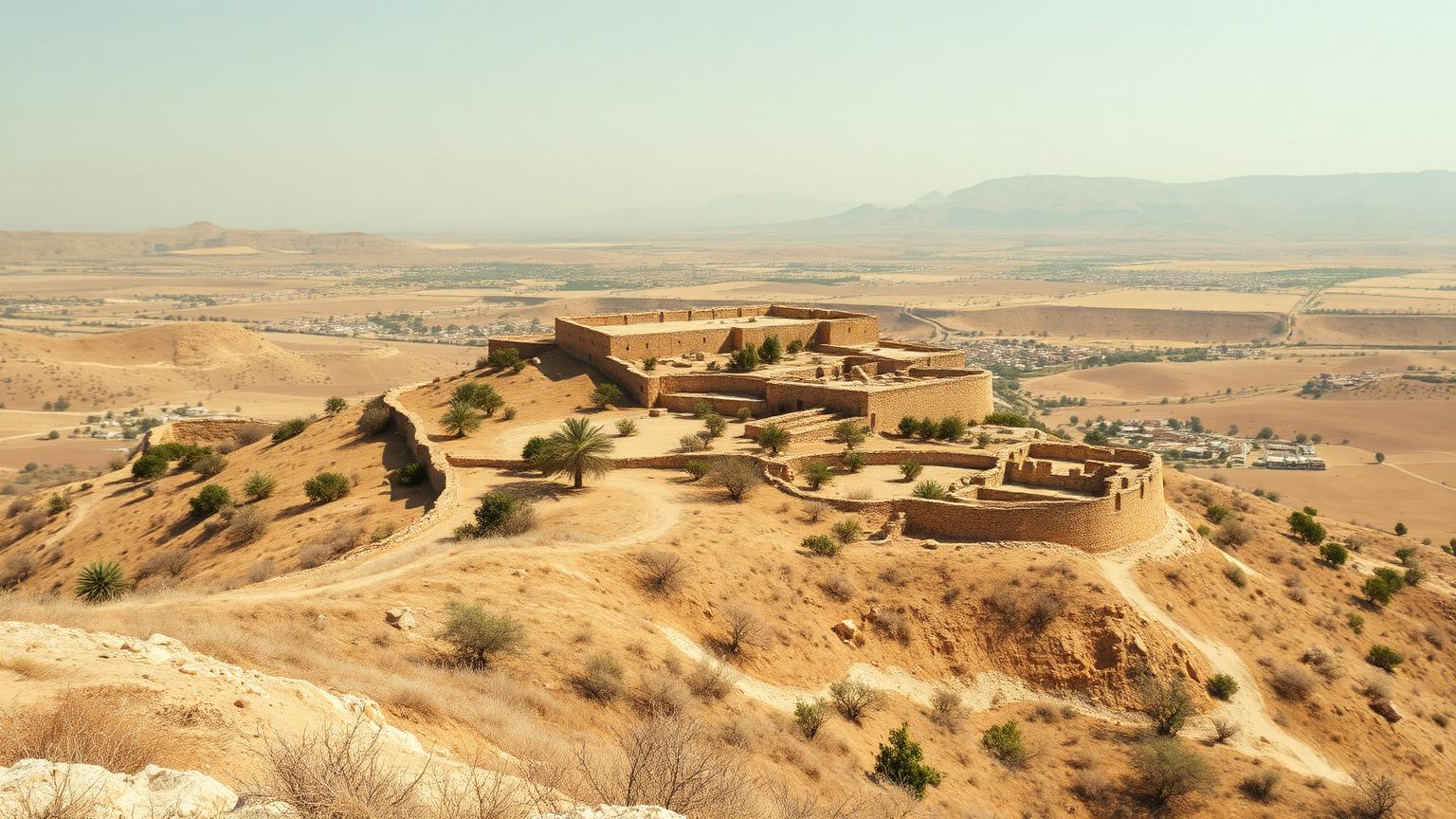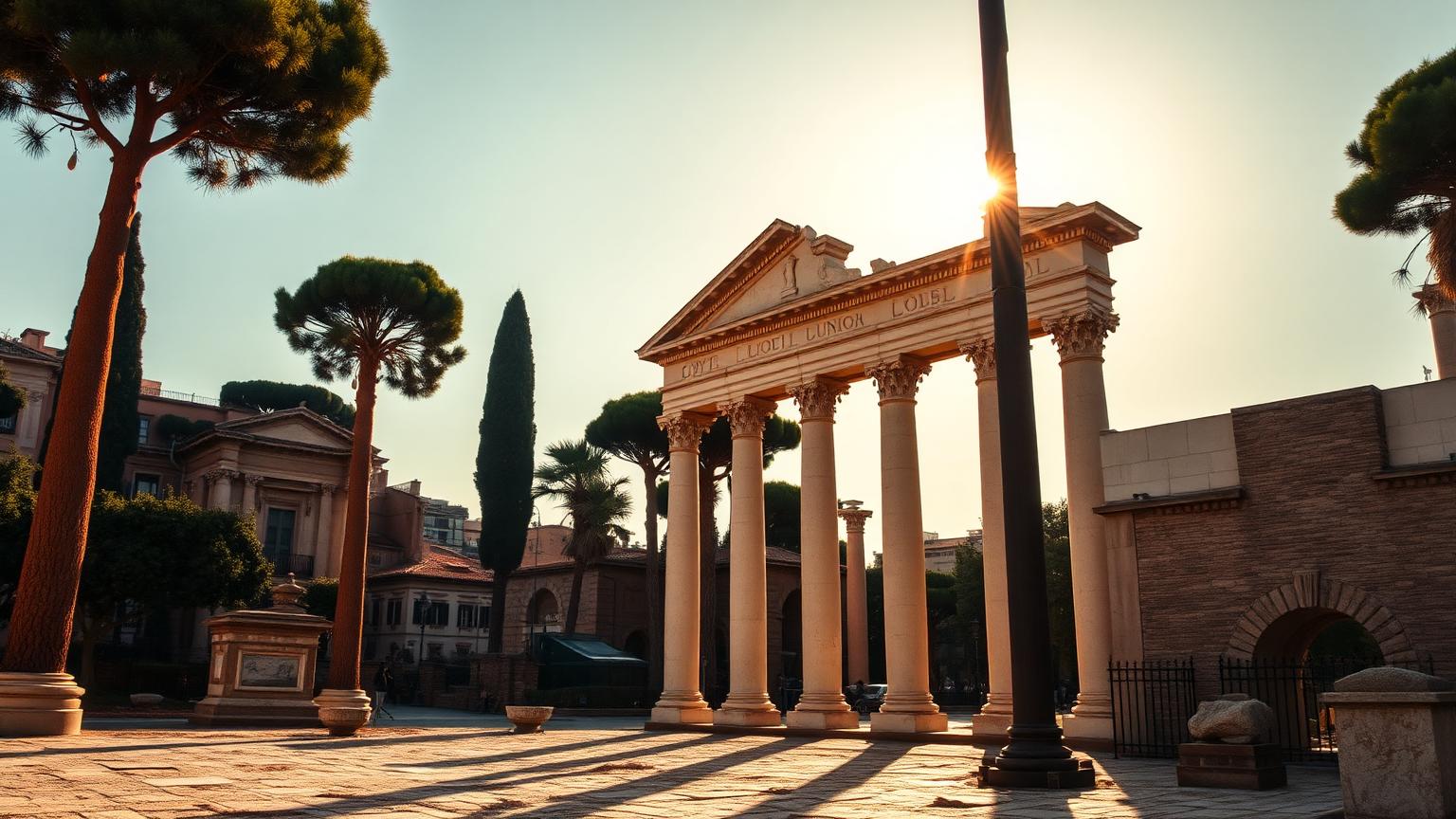
Rome
Infrastructure as ideology: roads, water, concrete, and a paper trail to match.
- Span
- 753 BCE – 476 CE
- Now
- Italy and forty-odd modern states
- Coordinates
- 41.89° N, 12.49° E
- Palette
- Travertine · imperial red
Geography first. Everything else is a response to it.
The Roman world, Britain to Mesopotamia
Italy and forty-odd modern states
Tiber · Mediterranean · Rhine–Danube frontier
Rome · Ostia · Alexandria · Antioch · Londinium
A river crossing at the first easily bridged point above the Tiber's mouth, on the boundary between Etruscan and Latin territory — a natural market and a natural chokepoint.
Volcanic ash from the Alban Hills gave Rome pozzolana, the ingredient that makes concrete set underwater. Harbours, domes and aqueducts follow from local geology.
The Mediterranean functioned as the empire's cheapest freight network; moving grain by sea cost a fraction of moving it by road.
The best-documented ancient state, with engineering that remains measurable and testable today.
The civilization at a glance
Ancient population and army figures are estimates. Anything marked est. is a reconstruction, not a count.
What they built, and how it worked
Hydraulic concrete
Aqueduct networks
Legionary logistics
How we know what we claim
Editorial confidence ratings, not measurements. They describe how much of the picture rests on each channel — and where a single new find could move the file.
This rating governs the whole hub. Any claim on this page that outruns it is labeled where it appears.
- Why is Roman concrete so durable?
- How much did climate shifts drive late imperial stress?
Where the evidence stops
- Roman concrete with volcanic ash gains strength in seawater; the chemistry has been reproduced in modern labs.
- The road network is mapped in detail from itineraries, milestones and surviving surface.
- The western collapse was a compound of fiscal strain, military reorganization and migration pressure — no single cause survives scrutiny.
- Population totals outside Egypt's census documents.
- How much of the economy was monetized at village level.
Who else was alive
Mediterranean · 753 BCE – 476 CE. Bars below show civilizations alive at the same moment.
Where Rome connects to the rest of the ancient record — the worlds it belongs to, the chapters it sits in, the documents that record it, and the questions still open.
Deep Time
All deep time →Primary Sources
All primary sources →
Nag Hammadi Library
Upper Egypt · c. 350 CE (copies)
Thirteen codices that transformed the study of early Christian diversity.
Primary source for Rome
Josephus
Rome / Judaea · c. 75 – 94 CE
The single most-used narrative source for first-century Judaea, written by a participant with obvious interests.
Primary source for Rome
Tacitus
Rome · c. 98 – 117 CE
The sharpest surviving analyst of imperial Roman politics, working from senatorial records.
Primary source for Rome
One more civilization
Same moment in history, different world. Keep going.