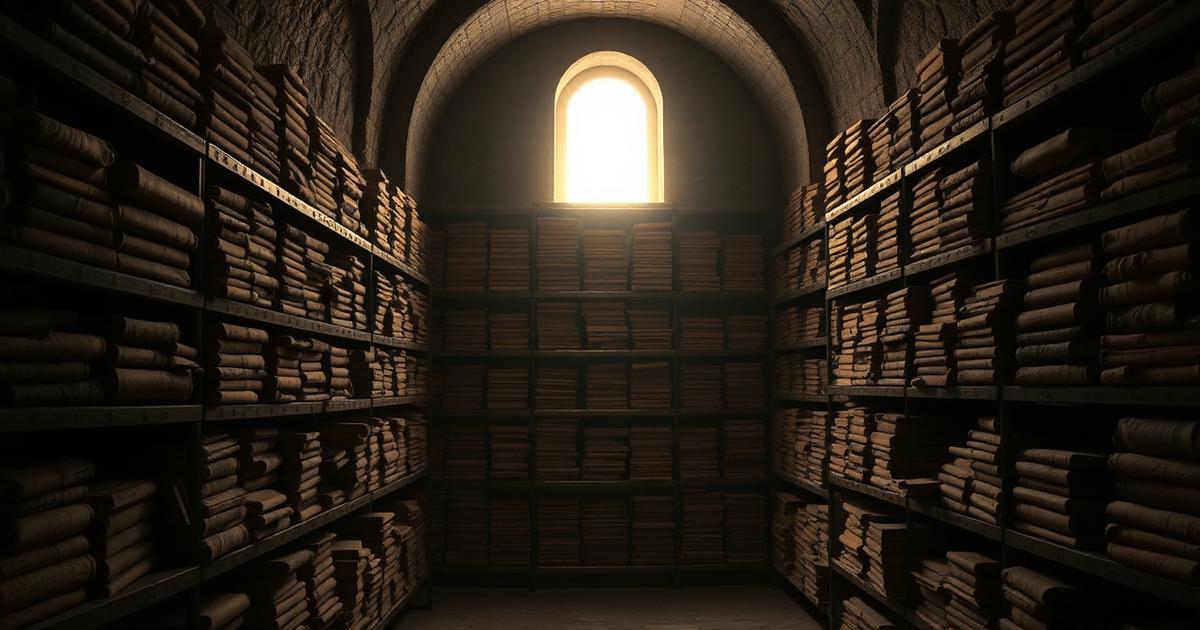
Tacitus
Rome · c. 98 – 117 CE
The sharpest surviving analyst of imperial Roman politics, working from senatorial records.
What the document is
The Annals, Histories, Agricola and Germania.
Why it matters
He preserves administrative detail found nowhere else, alongside a clear moral agenda.
How we treat this record
Attested in primary written sources that historians treat as reliable for this claim.
- Q01How much of the Annals is lost?
- Q02How direct was his archival access?
Documents that share themes, people, or historical periods with Tacitus.

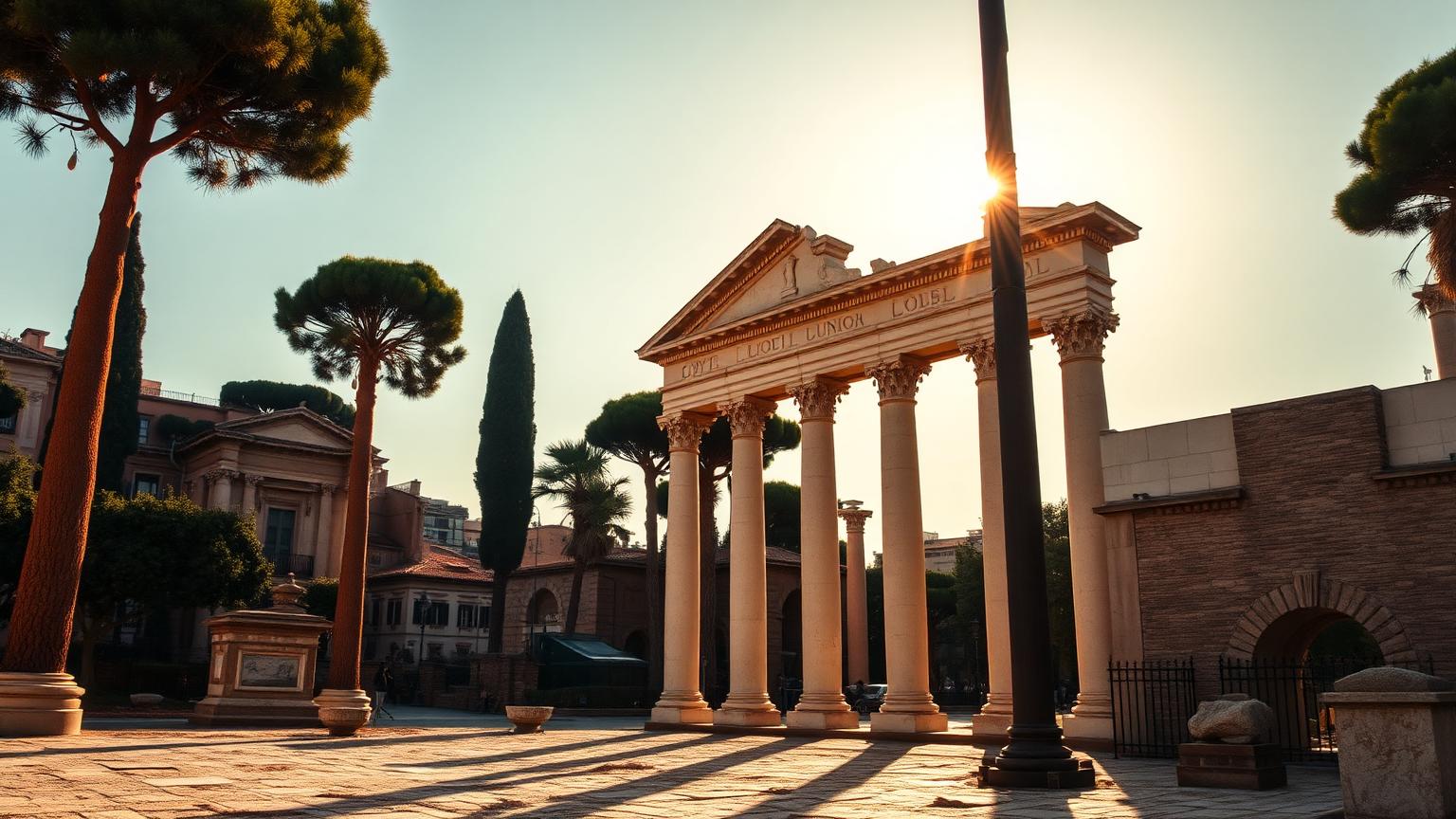
Josephus
Documentedc. 75 – 94 CE
The single most-used narrative source for first-century Judaea, written by a participant with obvious interests.
narrative history · patronage and bias · Same period: Rome
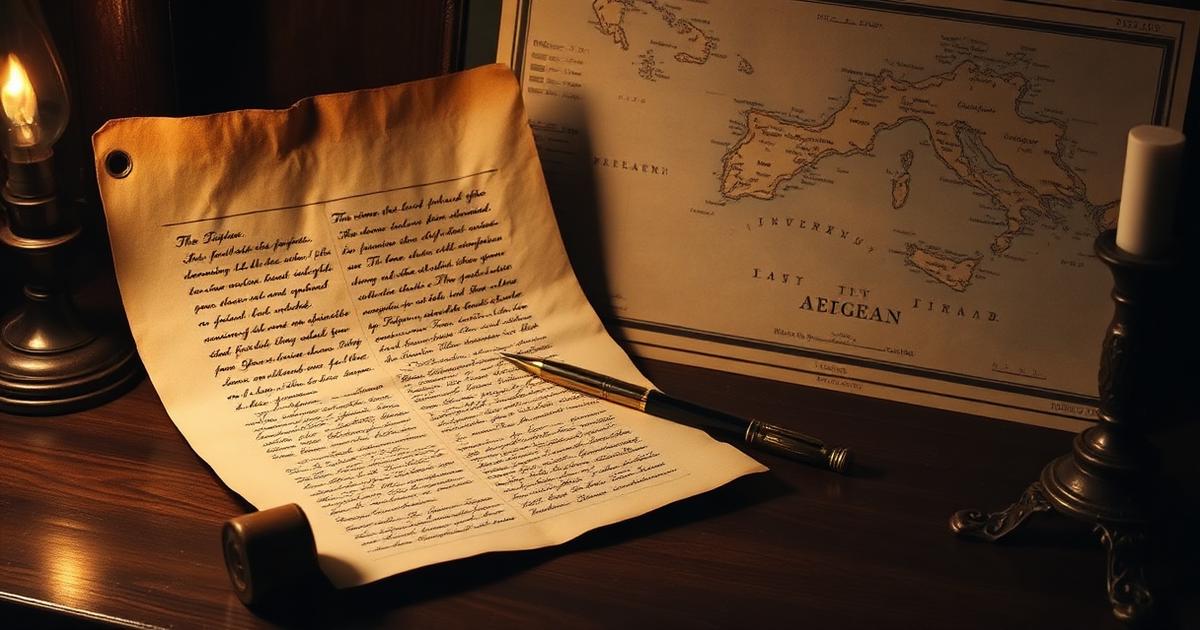
Herodotus
Documentedc. 430 BCE
The first surviving work of systematic inquiry — and a running lesson in source evaluation.
narrative history · warfare accounts

Nag Hammadi Library
Documentedc. 350 CE (copies)
Thirteen codices that transformed the study of early Christian diversity.
Same period: Rome
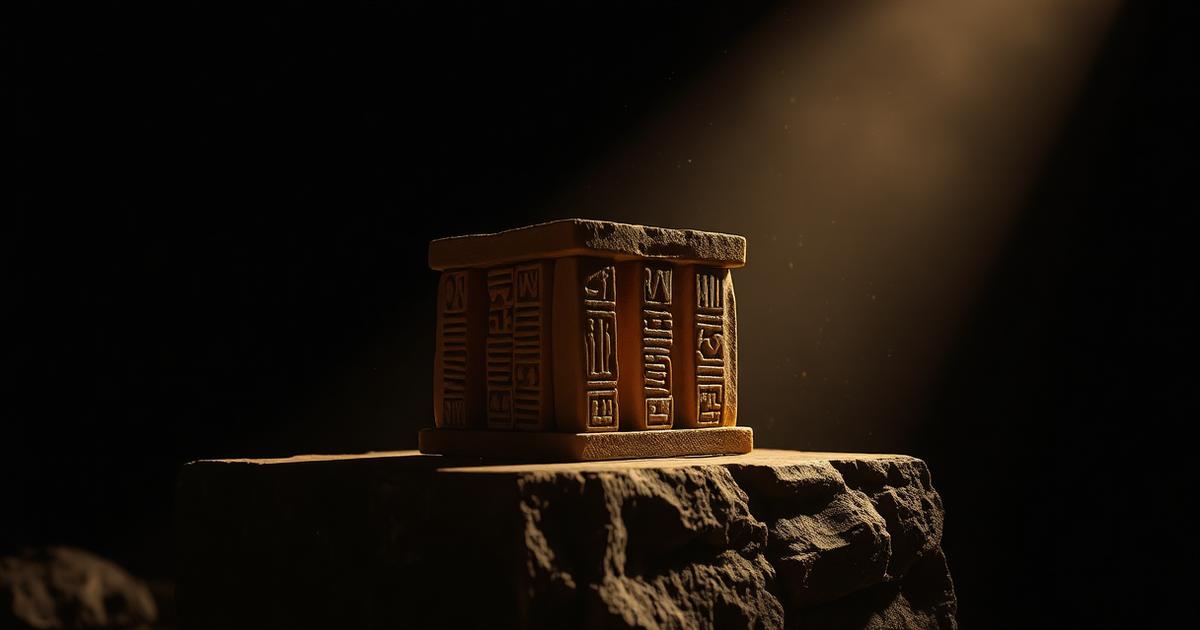
Sumerian King List
Open Debatec. 2100 – 1800 BCE
A dynastic list mixing verifiable kings with reigns of tens of thousands of years.
political chronology
Where Tacitus connects to the rest of the ancient record — the worlds it belongs to, the chapters it sits in, the documents that record it, and the questions still open.
Worlds
All worlds →Rome
Mediterranean · 753 BCE – 476 CE
Infrastructure as ideology: roads, water, concrete, and a paper trail to match.
Tacitus comes out of this world
Celts
Europe · c. 800 BCE – 400 CE
A culture described almost entirely by the people who conquered it.
Tacitus comes out of this world