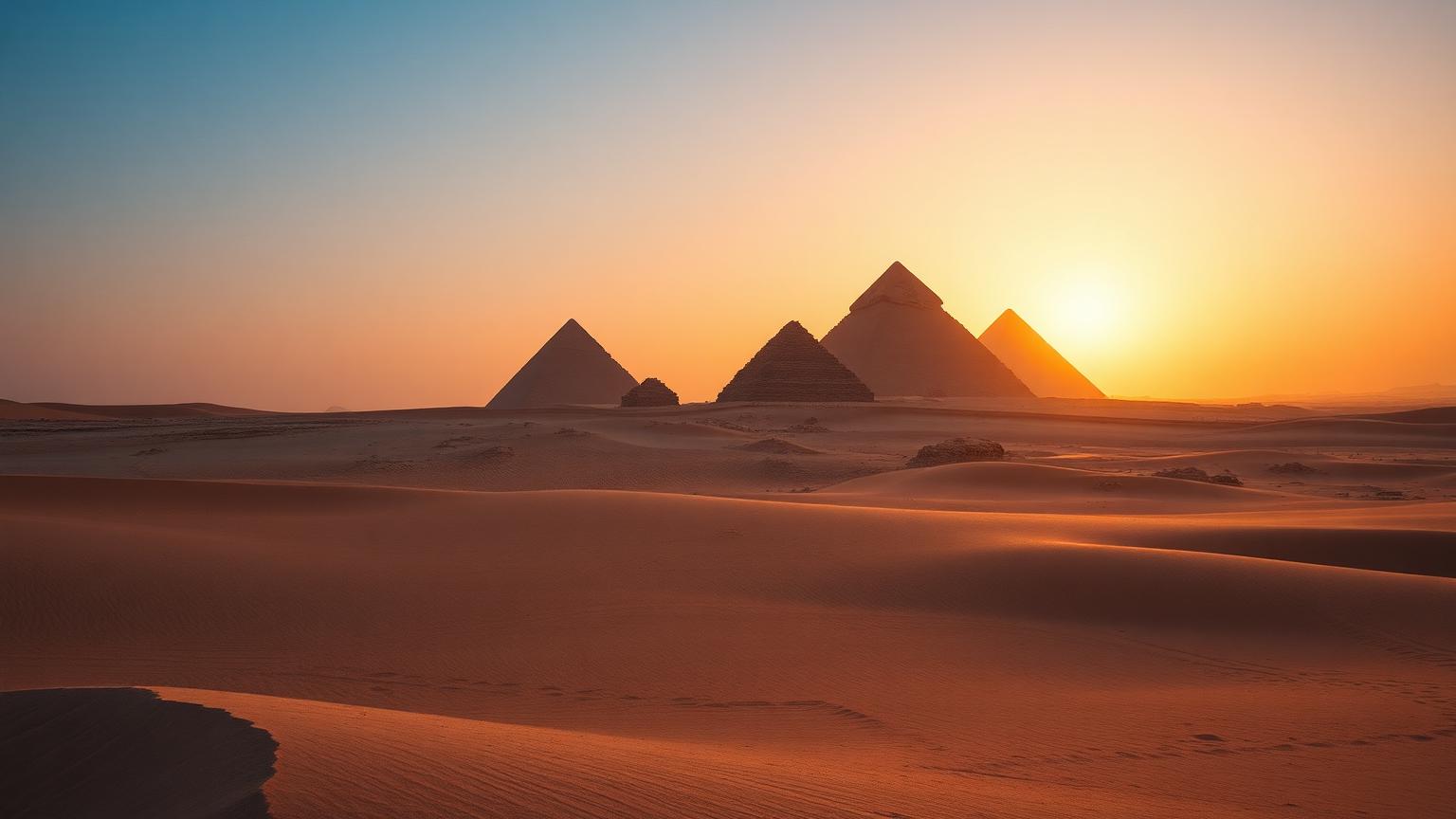
Egypt
3100 – 30 BCE
Three thousand years of continuous state records, monuments, and engineering.
Every claim in this period carries its evidence with it.
Monumental architecture, tomb and temple inscriptions, papyri, administrative ostraca, and an exceptionally preserved material record.
- 01
State formation unified Upper and Lower Egypt into a single administration with a documented royal ideology.
- 02
Pyramid construction is attested by worker settlements, supply logistics and administrative papyri, not only by the monuments.
- 03
Hieroglyphic, hieratic and demotic scripts are securely deciphered and read across three millennia of text.
Each row states the method, what is actually measured, and — the part usually skipped — what the result does not settle.
| Method | Material | What it constrains |
|---|---|---|
| Textual chronology | King lists, regnal dating, and dated administrative documents | Produces a dense relative chronology. Absolute anchoring depends on astronomical and radiocarbon cross-checks. |
| Radiocarbon programs | Short-lived plant material from dated contexts | Independently tests the historical chronology and has largely confirmed it within decades. |
| Settlement archaeology | Workers' villages, quarries, harbors and logbooks | Documents the labor system behind the monuments as organized, paid and fed. |
Exactly how were the largest blocks raised?
Ramp geometry is argued between straight, spiral and internal reconstructions; all are testable models.
How severe were the Intermediate Period collapses?
Textual gloom and archaeological continuity do not always agree.
“Slaves built the pyramids.”
Excavated worker settlements, rations records and burials describe an organized labor force, not chattel slavery.
“Egyptian construction methods are unexplained.”
Quarry marks, unfinished obelisks, tool evidence and logistics papyri document the process in detail.
- Which ramp systems were used at which sites?
- How much of the Delta record is lost to alluvium and water table?
- What was the demographic size of the state at its height?
Wadi al-Jarf papyri and Giza plateau reports
IFAO / Ancient Egypt Research Associates
Egyptian radiocarbon chronology studies
Science
Who was alive, and where
Nile & North Africa
River agriculture, desert logistics, and the longest state records we have.
The same centuries, side by side
Where Egypt connects to the rest of the ancient record — the worlds it belongs to, the chapters it sits in, the documents that record it, and the questions still open.
Worlds
All worlds →Egypt
Northeast Africa · c. 3100 – 30 BCE
A civilization built along a river, recorded in stone, and still being excavated.
Alive during Egypt
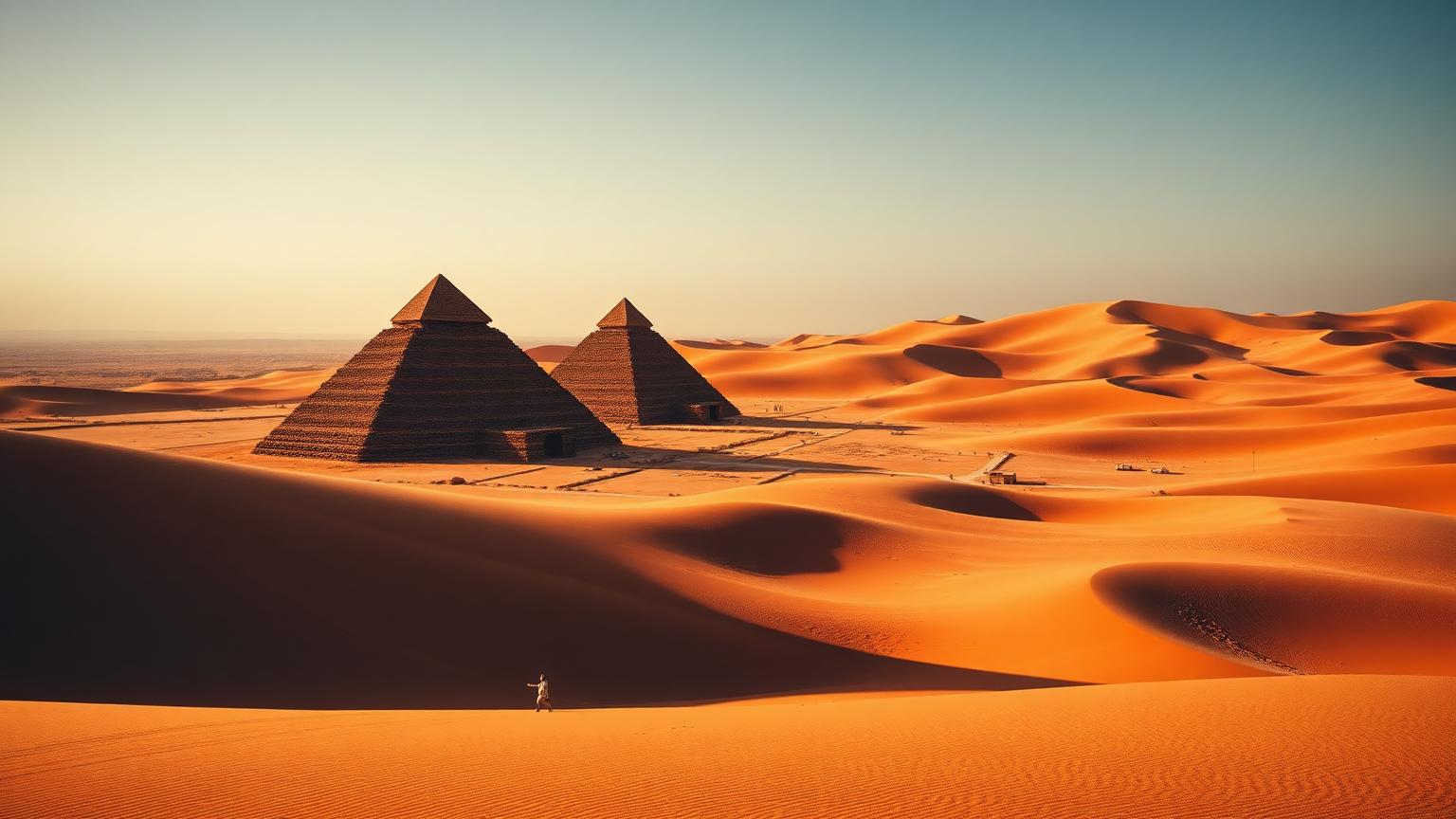
Nubia
Nile Valley · c. 3500 BCE – 350 CE
Egypt's southern neighbor, rival, conqueror — and the builder of more pyramids.
Alive during Egypt
Primary Sources
All primary sources →
Nag Hammadi Library
Upper Egypt · c. 350 CE (copies)
Thirteen codices that transformed the study of early Christian diversity.
Written in Egypt
Herodotus
Halicarnassus · c. 430 BCE
The first surviving work of systematic inquiry — and a running lesson in source evaluation.
Written in Egypt

Plato
Athens · c. 399 – 347 BCE
Philosophical dialogues that also contain the earliest surviving mention of Atlantis.
Written in Egypt
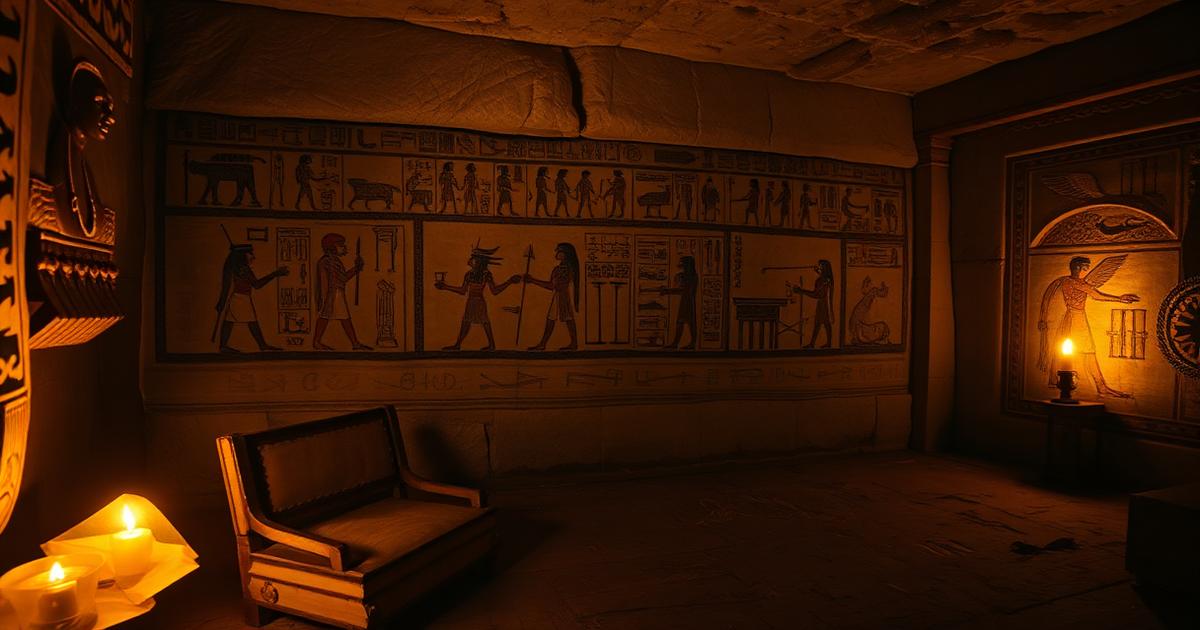
Ancient Egyptian Texts
Egypt · c. 2400 BCE – 100 CE
Pyramid Texts, Coffin Texts, the Book of the Dead, and the administrative papyri that reveal daily logistics.
Written in Egypt
Evidence Files
All evidence files →Sea Peoples
Eastern Mediterranean · c. 1200 – 1150 BCE
Who were the Sea Peoples, and were they a cause of collapse or a symptom of it?
Open question in Egypt
Bronze Age Collapse
Eastern Mediterranean · c. 1200 – 1150 BCE
Why did an interconnected system of empires fail within roughly fifty years?
Open question in Egypt
Great Pyramid
Giza, Egypt · c. 2560 BCE
How was a 2.3-million-block monument organized, supplied, and raised in roughly two decades?
Unresolved in Egypt
Great Sphinx
Giza, Egypt · c. 2500 BCE (consensus)
When was the Sphinx carved, and what caused the weathering on its enclosure walls?
Unresolved in Egypt