Babylon
1894 – 539 BCE
Law codes, astronomy tablets, and the mathematics of a base-60 world.
Every claim in this period carries its evidence with it.
Law codes, astronomical diaries, administrative and legal tablets, excavated city walls and gates, and later Greek accounts written at a distance.
- 01
Babylonian scribes kept systematic astronomical records over centuries, enabling mathematical prediction of celestial events.
- 02
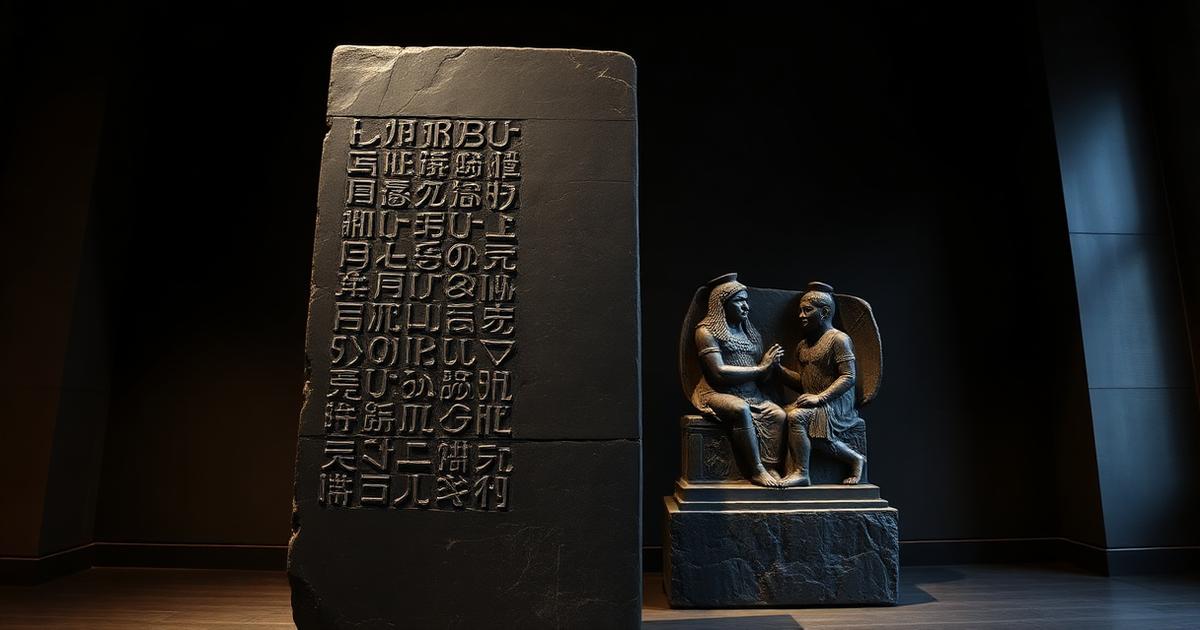
The Code of Hammurabi survives as a physical inscribed stele, not only as a copy.
- 03
Babylonian mathematics used a sexagesimal place-value system with sophisticated problem texts.
Each row states the method, what is actually measured, and — the part usually skipped — what the result does not settle.
| Method | Material | What it constrains |
|---|---|---|
| Astronomical diaries | Dated observation tablets | Provides absolute chronological anchors and a record of observational practice. |
| Legal and administrative tablets | Contracts, loans, court records | Shows law in practice, which often differs from the code's stated penalties. |
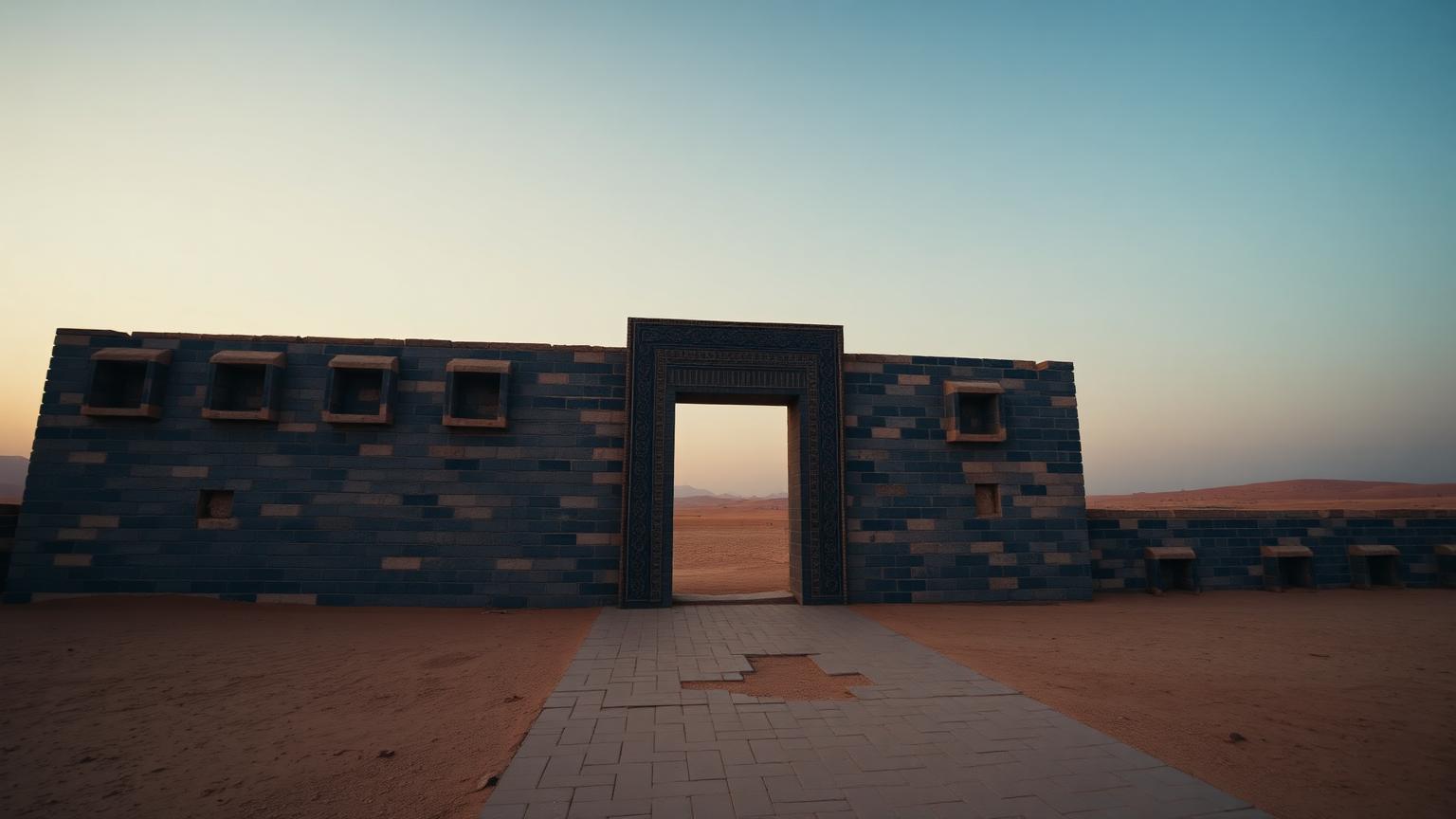
| Excavation and reconstruction | City walls, processional way, glazed brick assemblages | Documents the built city. Early reconstruction work mixed restoration with interpretation. |
Was the Code of Hammurabi enforced law or royal propaganda?
Court records rarely cite it, which is the core of the argument.
Did the Hanging Gardens exist, and where?
No Babylonian text describes them; one serious proposal relocates them to Nineveh.
“Babylonian astronomy was astrology and nothing more.”
The same scribal tradition produced predictive mathematical astronomy that later Greek work drew on.
“The Hanging Gardens are a confirmed wonder.”
They are attested only in later foreign sources. The site has never been identified.
- How much of the city remains unexcavated beneath the water table?
- How were astronomical records transmitted to later traditions?
- What was the actual reach of royal law across the countryside?
Astronomical Diaries and Related Texts from Babylonia
Austrian Academy of Sciences
Old Babylonian legal corpus studies
Journal of Cuneiform Studies
Who was alive, and where
Mesopotamia & the Fertile Crescent
Where cities, writing, law and accounting first appear in the same layer.
The same centuries, side by side
Where Babylon connects to the rest of the ancient record — the worlds it belongs to, the chapters it sits in, the documents that record it, and the questions still open.
Worlds
All worlds →
Mesopotamia
Tigris–Euphrates · c. 6000 – 539 BCE
The wider river world where cities, law and bureaucracy first appear together.
Alive during Babylon
Babylon
Central Mesopotamia · c. 1894 – 539 BCE
The city that wrote down the sky, and turned it into predictive mathematics.
Alive during Babylon
Primary Sources
All primary sources →
Epic of Gilgamesh
Mesopotamia · c. 2100 – 1200 BCE
The oldest surviving long-form literature, assembled across a millennium of tablet traditions.
Written in Babylon
Code of Hammurabi
Babylon · c. 1754 BCE
282 provisions carved on a diorite stele — a legal monument as much as a working law code.
Written in Babylon
Sumerian King List
Mesopotamia · c. 2100 – 1800 BCE
A dynastic list mixing verifiable kings with reigns of tens of thousands of years.
Written in Babylon