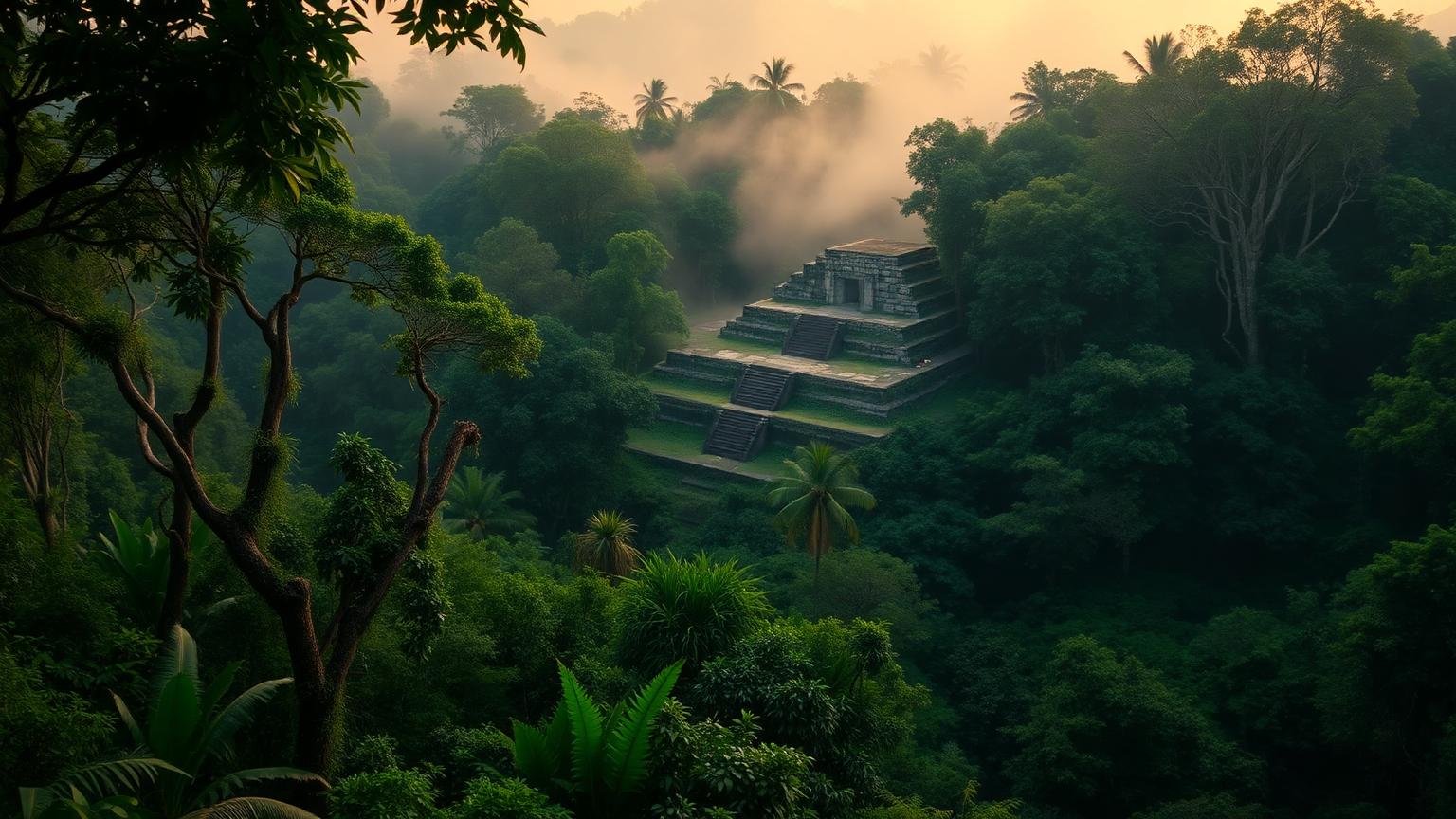
Maya
2000 BCE – 1500 CE
A fully deciphered script, precise astronomy, and a still-contested collapse.
Every claim in this period carries its evidence with it.
A deciphered hieroglyphic script, dated monuments, four surviving codices, lidar-mapped settlement, and continuing Maya communities.
- 01
Maya writing is largely deciphered, and monuments carry precise calendar dates tied to named rulers and events.
- 02
The Long Count calendar allows many events to be fixed to a day.
- 03
Lidar survey has revealed far denser settlement and agricultural infrastructure than earlier surveys assumed.
Each row states the method, what is actually measured, and — the part usually skipped — what the result does not settle.
| Method | Material | What it constrains |
|---|---|---|
| Epigraphic decipherment | Carved stelae, lintels and painted ceramics | Yields dynastic history in the rulers' own terms — which is court history, with its own agenda. |
| Lidar landscape survey | Airborne laser returns under forest canopy | Maps structures and field systems at scale. Dating still requires ground excavation. |
| Palaeoclimate reconstruction | Lake sediment and speleothem records from the lowlands | Documents drought intervals overlapping the Classic decline. |
What drove the Classic-period collapse?
Drought, warfare, soil exhaustion and political fragmentation interact differently by region.
How much of the codical tradition can be reconstructed?
Four codices survive from what was clearly a much larger literature.
“The Maya vanished.”
Millions of Maya people live in the region today, speaking Mayan languages. Certain cities were abandoned; the people were not.
“The calendar predicted the end of the world in 2012.”
A Long Count cycle rolled over. Maya texts themselves record dates far beyond it.
- How were regional political networks structured between capitals?
- How large were peak populations, now that lidar has changed the baseline?
- How much surviving text remains unexcavated or unreadable?
Maya hieroglyphic decipherment scholarship
Dumbarton Oaks / Ancient Mesoamerica
PACUNAM lidar initiative results
Science
Who was alive, and where
Mesoamerica
Astronomy, calendars and monumental stone in tropical environments.
The same centuries, side by side
Where Maya connects to the rest of the ancient record — the worlds it belongs to, the chapters it sits in, the documents that record it, and the questions still open.
Worlds
All worlds →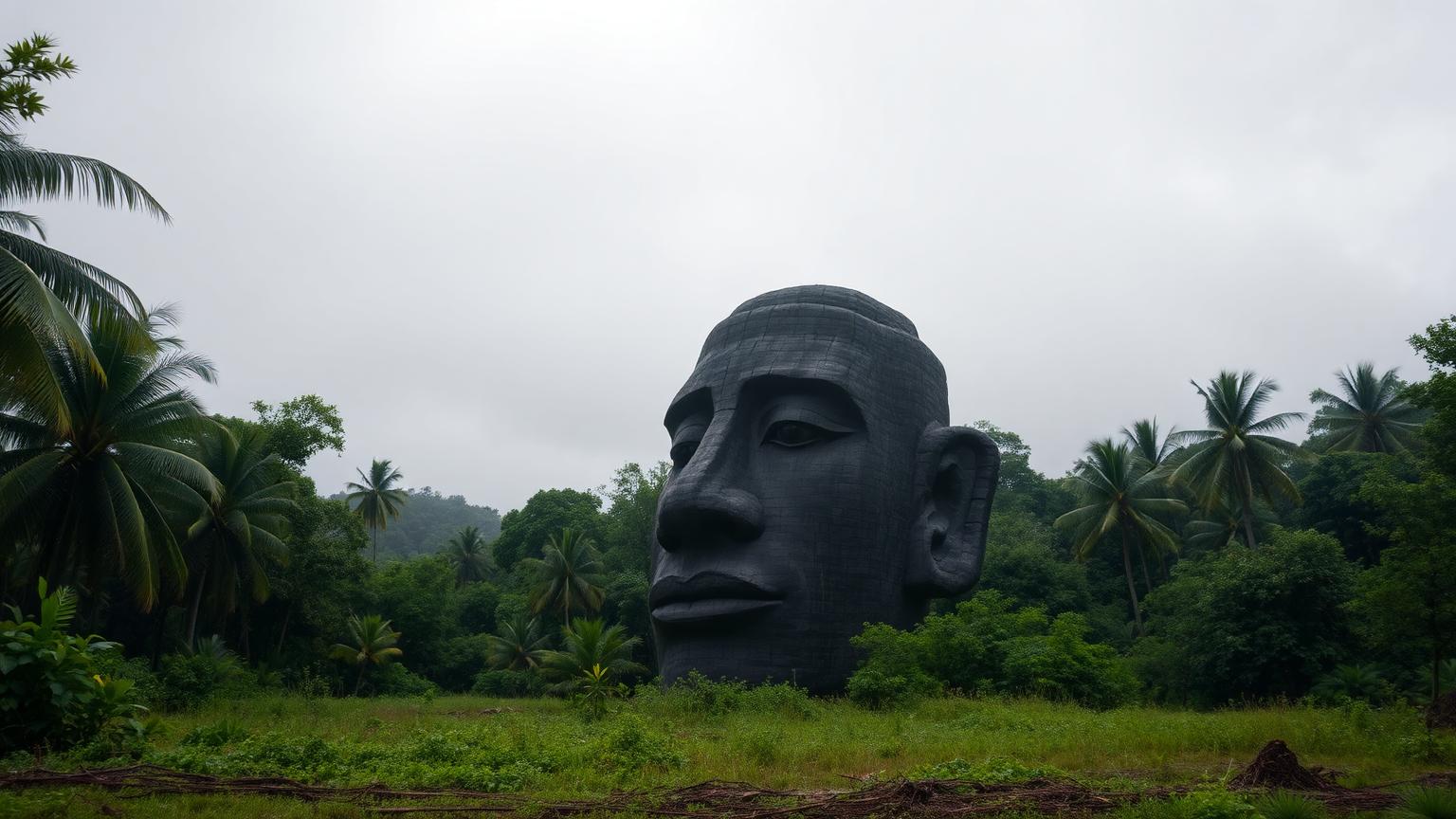
Olmec
Mesoamerica · c. 1600 – 400 BCE
Mesoamerica's earliest monumental culture, moving twenty-tonne basalt without wheels.
Alive during Maya
Maya
Mesoamerica · c. 2000 BCE – 1500 CE
Astronomy, a fully readable script, and cities that fed millions on karst.
Alive during Maya