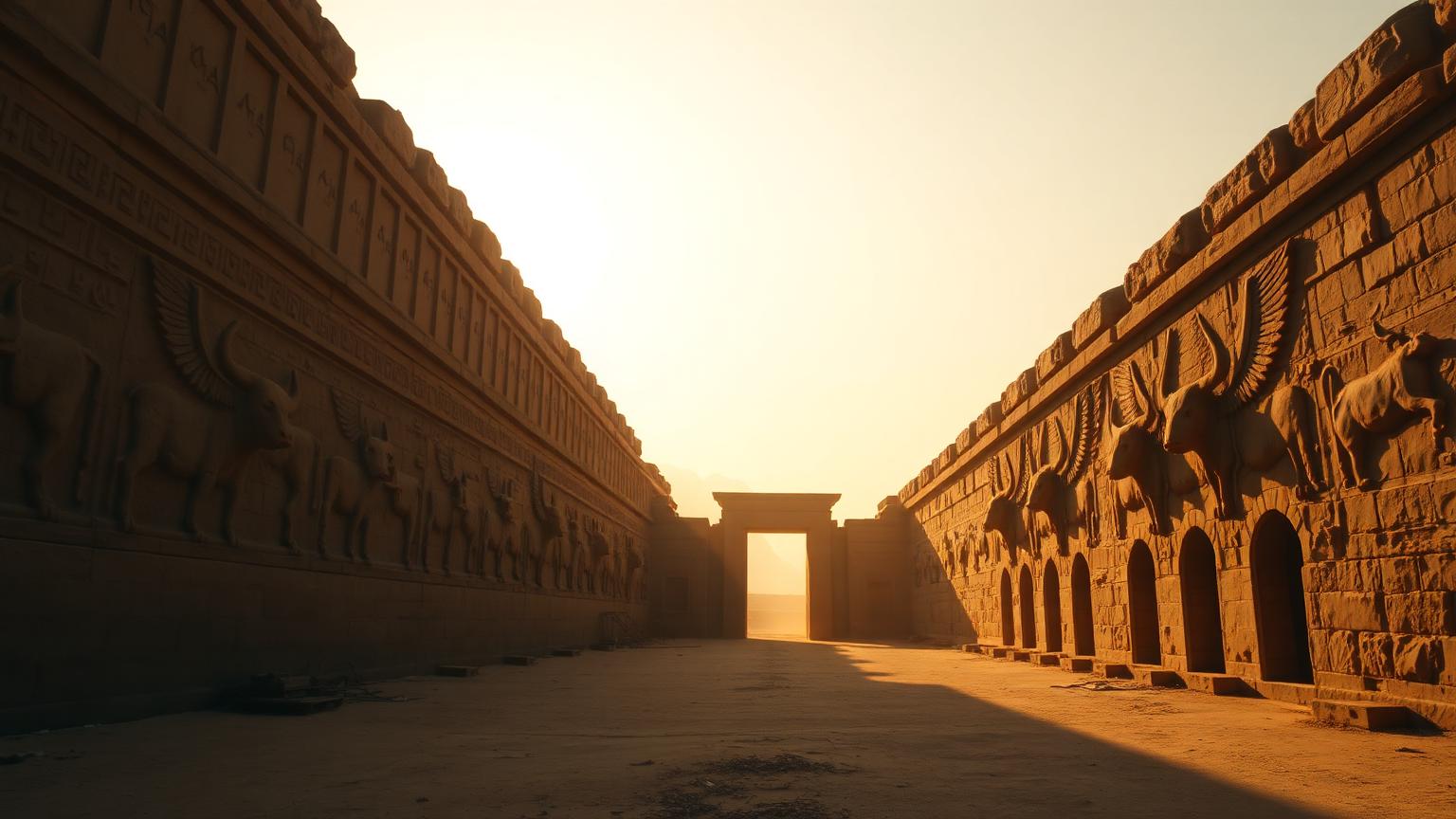
Indus Valley
The largest Bronze Age civilization by area — and we still cannot read a word of it.
- Span
- c. 3300 – 1300 BCE
- Now
- Pakistan and northwest India
- Coordinates
- 27.32° N, 68.14° E
- Palette
- Fired brick · river silt · carnelian
Geography first. Everything else is a response to it.
The Indus and Ghaggar-Hakra basins
Pakistan and northwest India
Indus · Ghaggar-Hakra palaeochannel · Arabian Sea
Mohenjo-daro · Harappa · Dholavira · Lothal
A monsoon-fed river system with vast floodplains, plus sea access to the Gulf — enough surplus and enough trade to sustain planned cities.
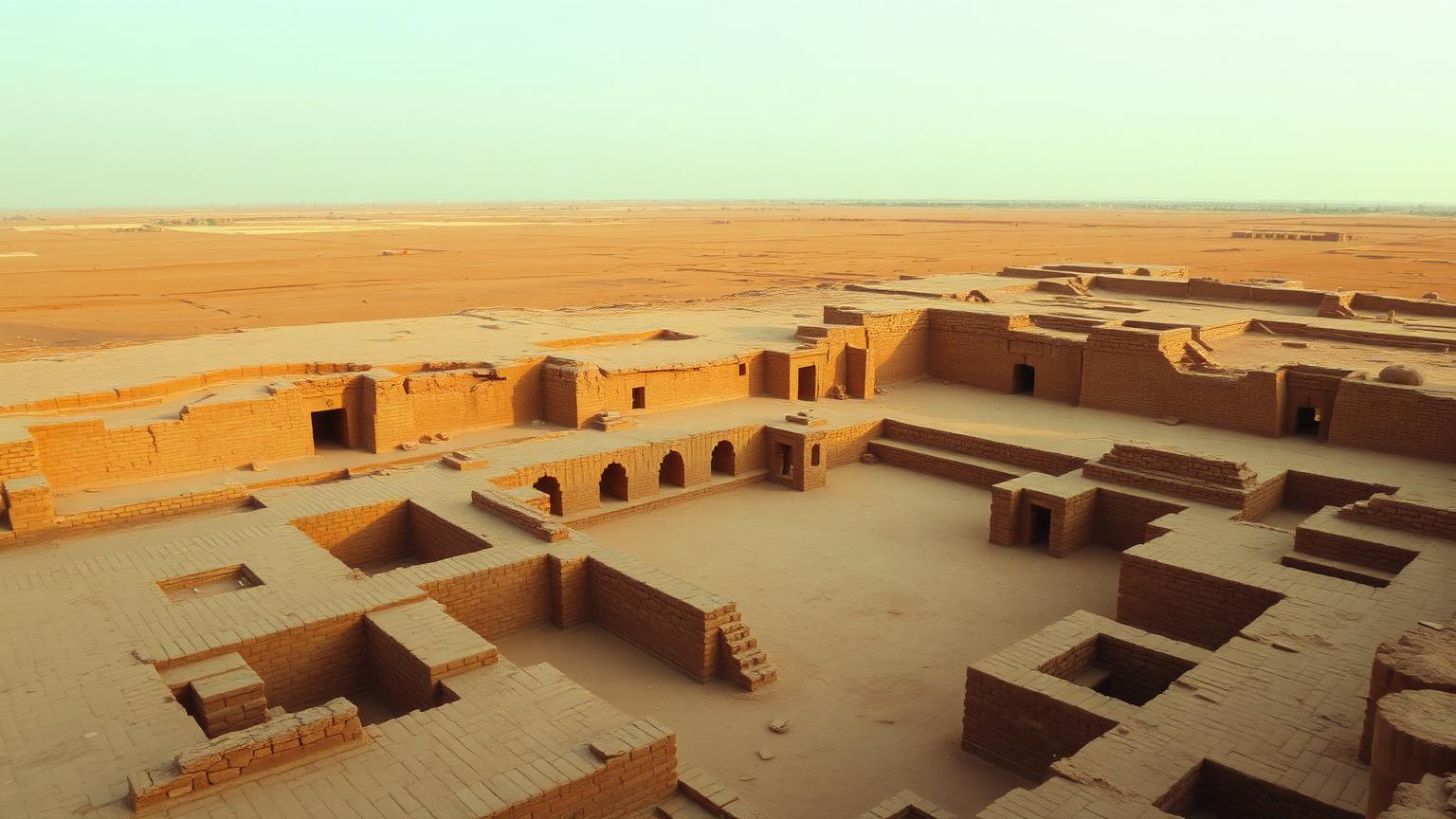
Cities were laid out on grids with standardized fired bricks, covered drains and public water structures — sanitation at a scale not matched again for millennia.
Weakening monsoons and shifting river courses through the second millennium BCE line up with the de-urbanisation, though not with any single collapse event.
Large planned cities with standardized weights — and a script no one can yet read.
The civilization at a glance
Ancient population and army figures are estimates. Anything marked est. is a reconstruction, not a count.
What they built, and how it worked
Mohenjo-daro drainage
Standardized weights
Undeciphered seals
How we know what we claim
Editorial confidence ratings, not measurements. They describe how much of the picture rests on each channel — and where a single new find could move the file.
This rating governs the whole hub. Any claim on this page that outruns it is labeled where it appears.
- Is the Indus script a full writing system?
- How much did river shifts drive decline?
Where the evidence stops
- Weights follow a standardized binary system across hundreds of kilometers.
- Indus seals turn up in Mesopotamian contexts, confirming direct long-distance trade.
- The absence of palaces and monumental royal burials suggests a less centralized elite than contemporaries — but absence of evidence is doing heavy lifting.
- Climate-driven de-urbanisation was gradual, not catastrophic.
- What the script says, or even what language it encodes.
- Whether there was a single political authority at all.
Who else was alive
South Asia · 3,300 BCE – 1,300 BCE. Bars below show civilizations alive at the same moment.
Where Indus Valley connects to the rest of the ancient record — the worlds it belongs to, the chapters it sits in, the documents that record it, and the questions still open.
One more civilization
Same moment in history, different world. Keep going.