Mesopotamia
The wider river world where cities, law and bureaucracy first appear together.
- Span
- c. 6000 – 539 BCE
- Now
- Iraq, eastern Syria, southeastern Turkey
- Coordinates
- 33.20° N, 44.40° E
- Palette
- Clay · barley gold · dusk blue
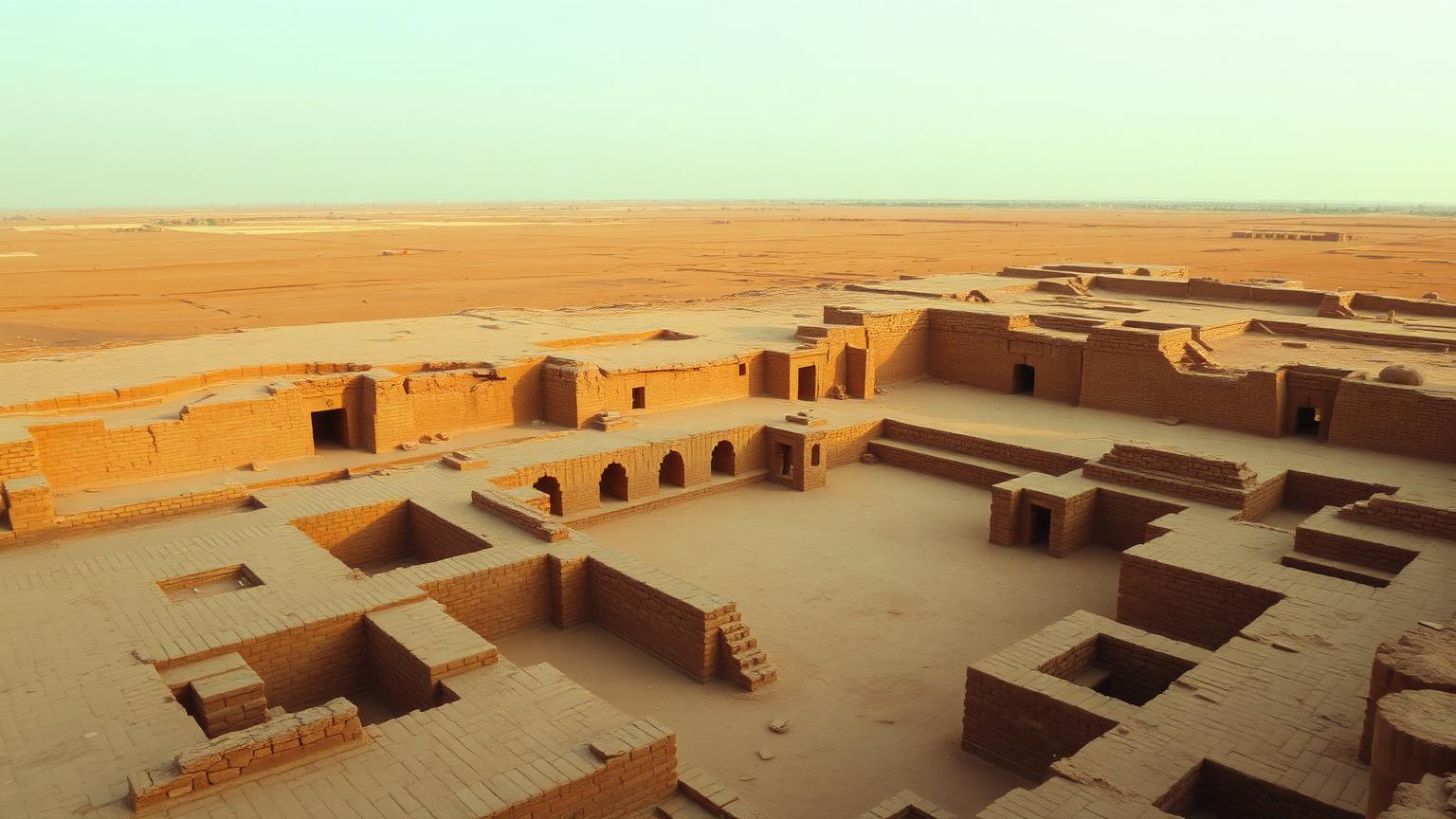
Geography first. Everything else is a response to it.
The whole Tigris–Euphrates basin
Iraq, eastern Syria, southeastern Turkey
Tigris · Euphrates · Diyala · Khabur
Uruk · Babylon · Nineveh · Mari · Nippur
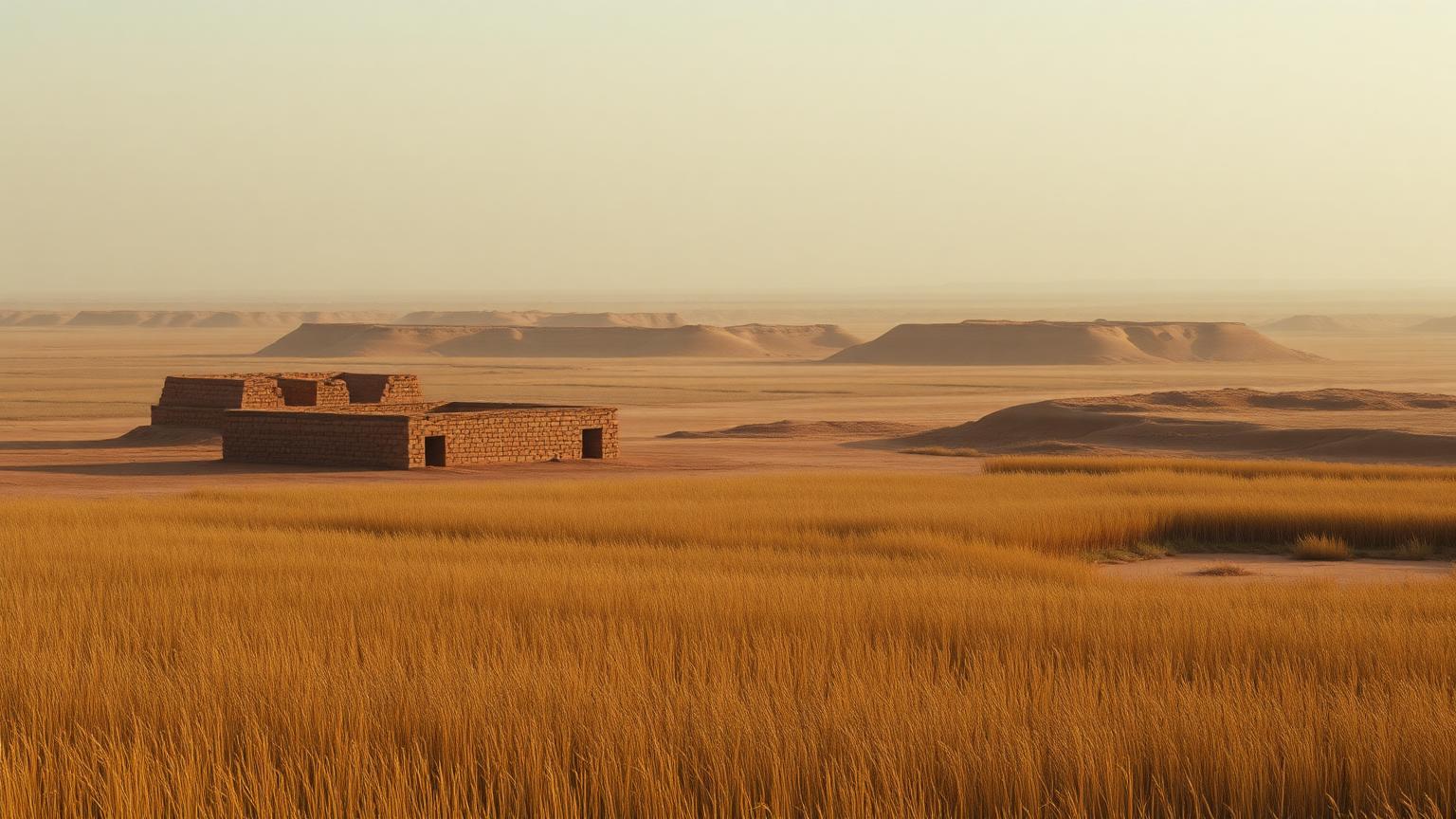
Rainfall farming in the north, irrigation farming in the south, and a river corridor connecting both to the Gulf and the Mediterranean.
The north can farm on rain; the south cannot. That single difference produces two different political histories in one basin.
Floods here are violent and badly timed, arriving near harvest. Water management was not an amenity — it was the state's core function.
The broader river-valley world where cities, writing, law, and bureaucratic accounting first appear together.
The civilization at a glance
Ancient population and army figures are estimates. Anything marked est. is a reconstruction, not a count.
What they built, and how it worked
Urbanization at Uruk
Cuneiform archives
Irrigation and salinization
How we know what we claim
Editorial confidence ratings, not measurements. They describe how much of the picture rests on each channel — and where a single new find could move the file.
This rating governs the whole hub. Any claim on this page that outruns it is labeled where it appears.
- Did writing begin as accounting alone?
- How much did salinization drive southern decline?
Where the evidence stops
- Written law, compound interest, sexagesimal time and the 360-degree circle all descend from this basin.
- The archives are administrative, so they document institutions far better than ordinary households.
- Urbanization was driven as much by defense and canal maintenance as by trade surplus.
- Total population at any given moment.
- How much of rural life the tablets simply never recorded.
Who else was alive
Tigris–Euphrates · 6,000 BCE – 539 BCE. Bars below show civilizations alive at the same moment.
Where Mesopotamia connects to the rest of the ancient record — the worlds it belongs to, the chapters it sits in, the documents that record it, and the questions still open.
Deep Time
All deep time →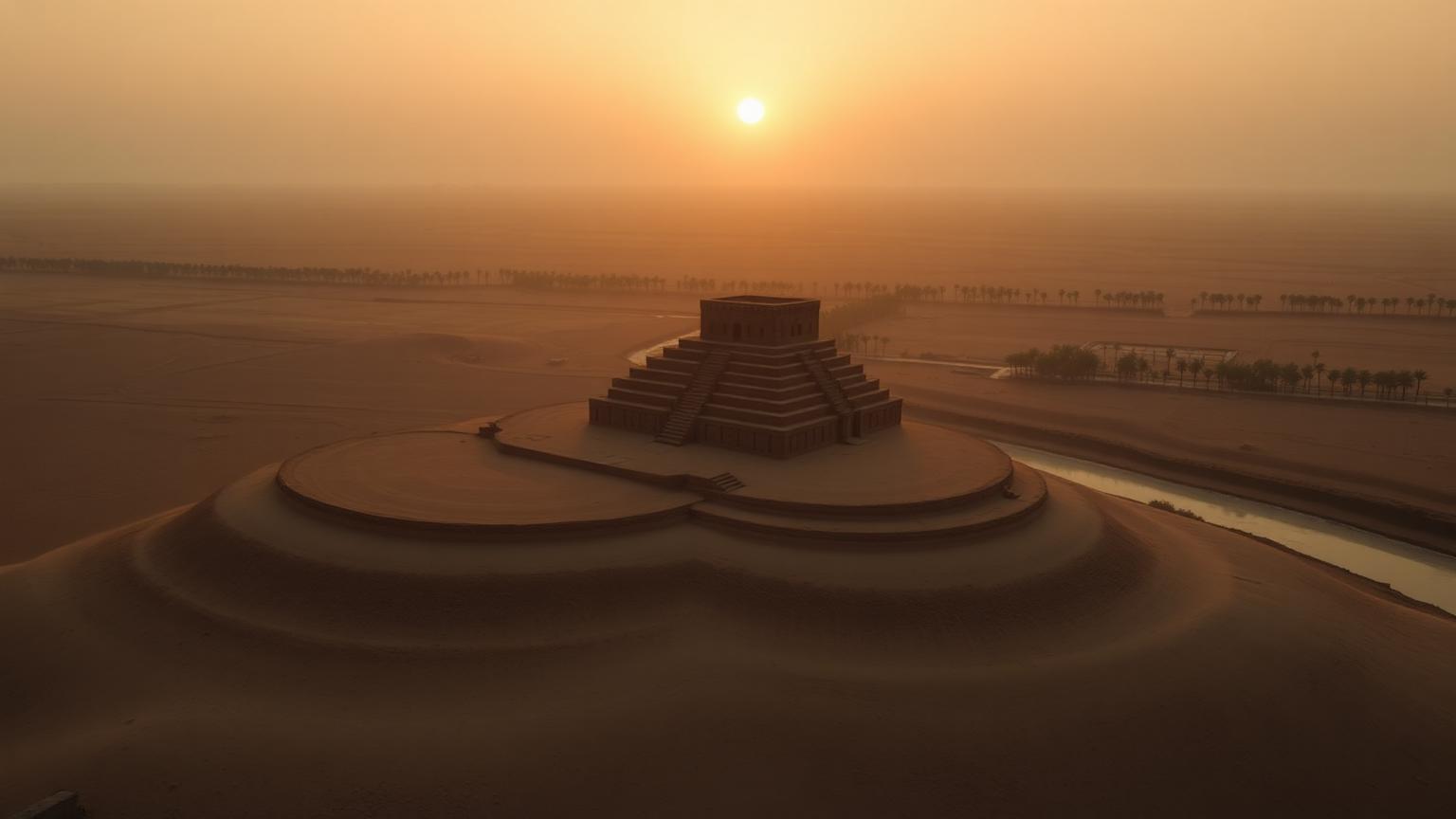
Sumer
4500 – 1900 BCE
Cities, cuneiform, and the earliest written administration on record.
Mesopotamia is anchored in this chapter
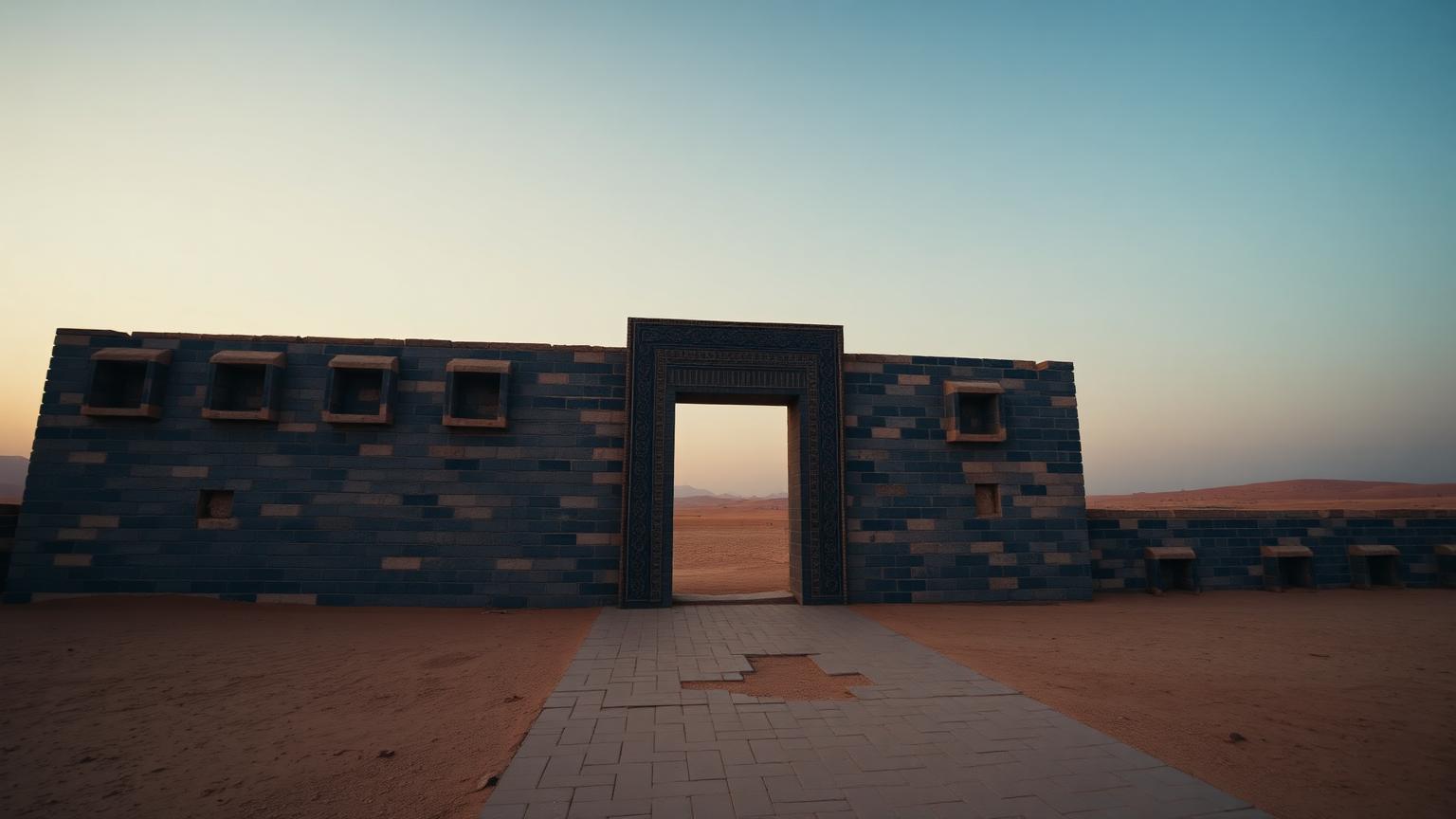
Babylon
1894 – 539 BCE
Law codes, astronomy tablets, and the mathematics of a base-60 world.
Mesopotamia is anchored in this chapter
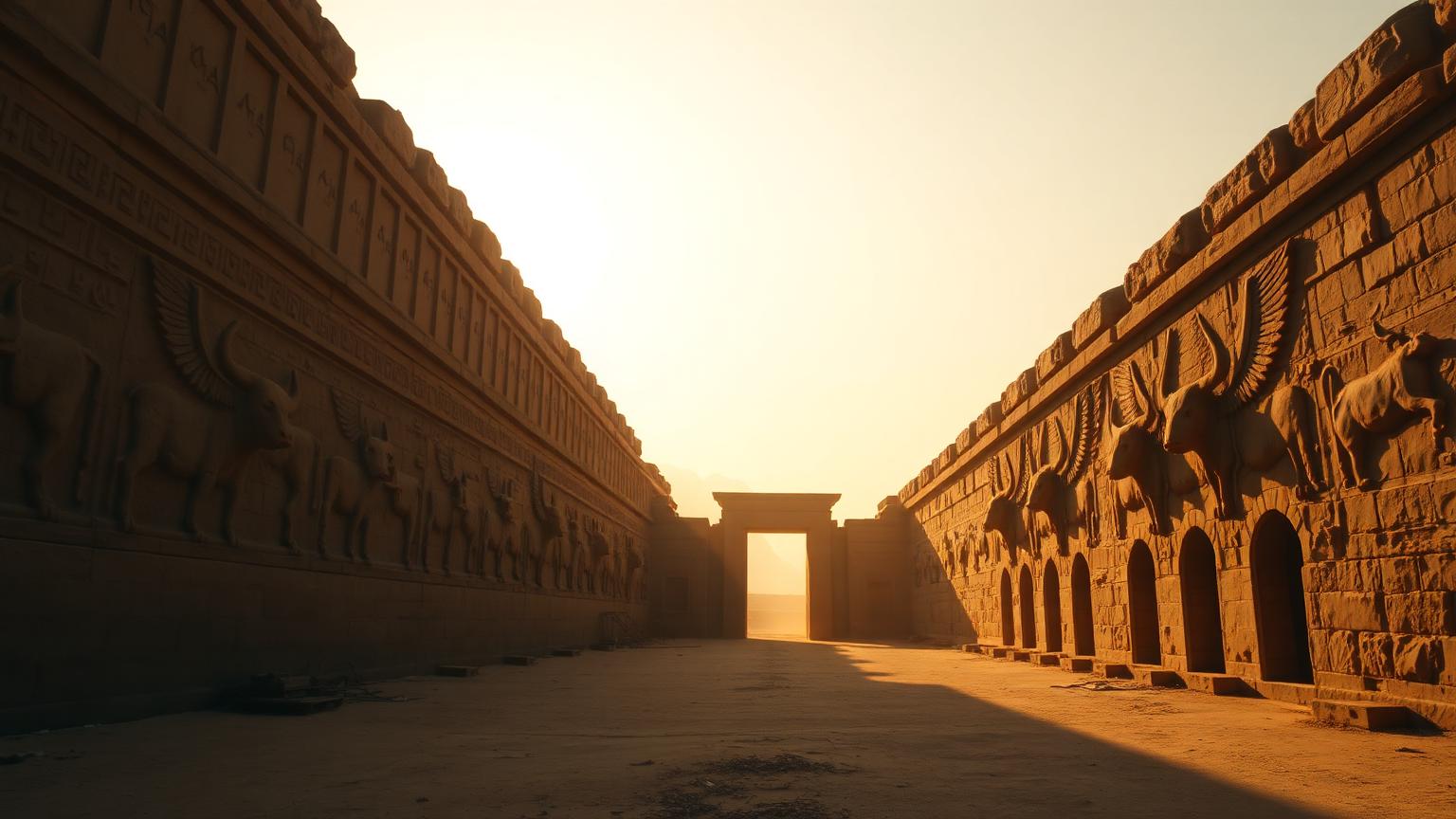
Assyria
2025 – 609 BCE
Empire logistics, siege warfare, and the library that preserved Mesopotamian literature.
Mesopotamia is anchored in this chapter
Primary Sources
All primary sources →
Epic of Gilgamesh
Mesopotamia · c. 2100 – 1200 BCE
The oldest surviving long-form literature, assembled across a millennium of tablet traditions.
Primary source for Mesopotamia
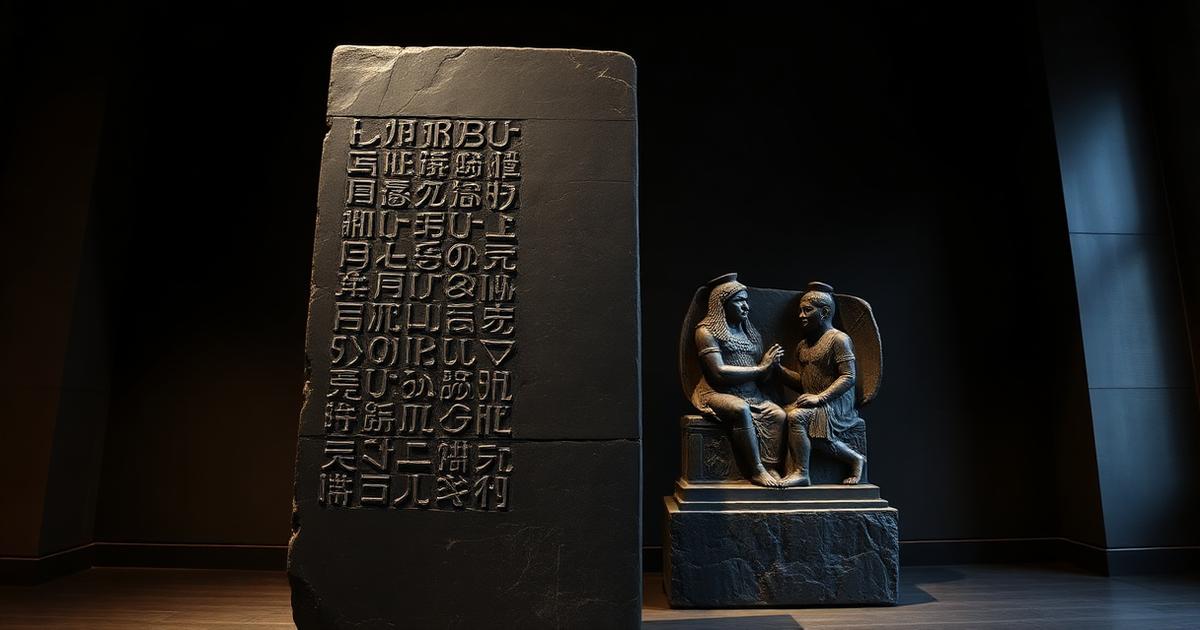
Code of Hammurabi
Babylon · c. 1754 BCE
282 provisions carved on a diorite stele — a legal monument as much as a working law code.
Primary source for Mesopotamia
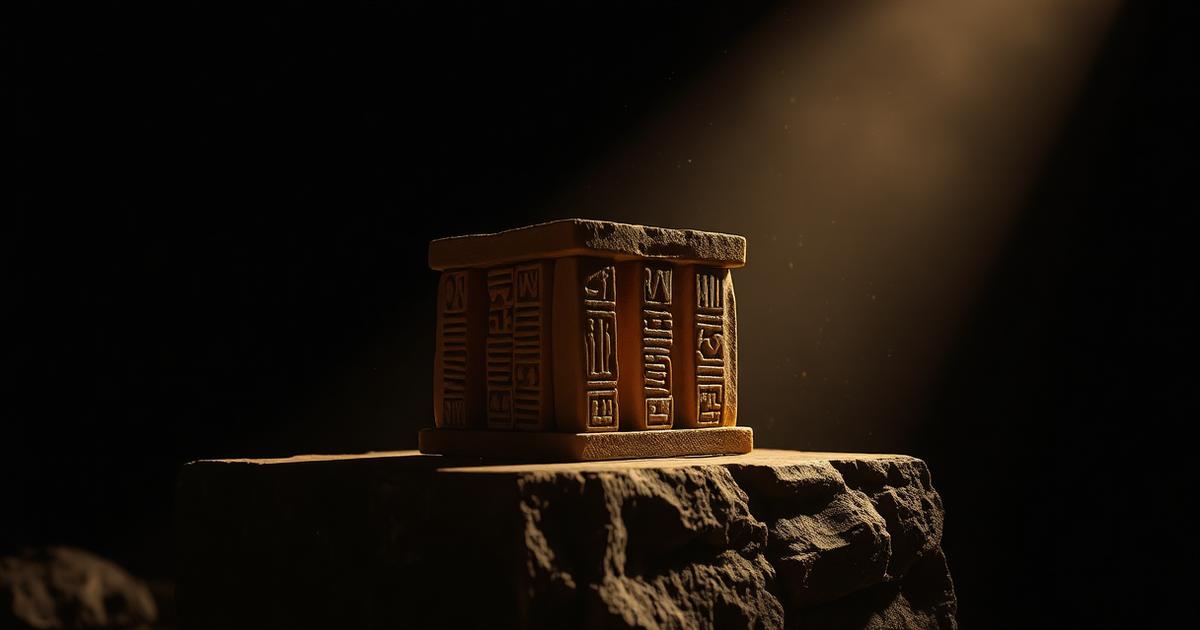
Sumerian King List
Mesopotamia · c. 2100 – 1800 BCE
A dynastic list mixing verifiable kings with reigns of tens of thousands of years.
Primary source for Mesopotamia
One more civilization
Same moment in history, different world. Keep going.