Israel
The clearest test case in archaeology for what happens when text and trench disagree.
- Span
- c. 1200 – 586 BCE
- Now
- Israel and the Palestinian territories
- Coordinates
- 31.78° N, 35.22° E
- Palette
- Limestone · olive · dust
Geography first. Everything else is a response to it.
Iron Age highland kingdoms
Israel and the Palestinian territories
Jordan · Dead Sea · Mediterranean coast
Jerusalem · Samaria · Lachish · Megiddo · Hazor
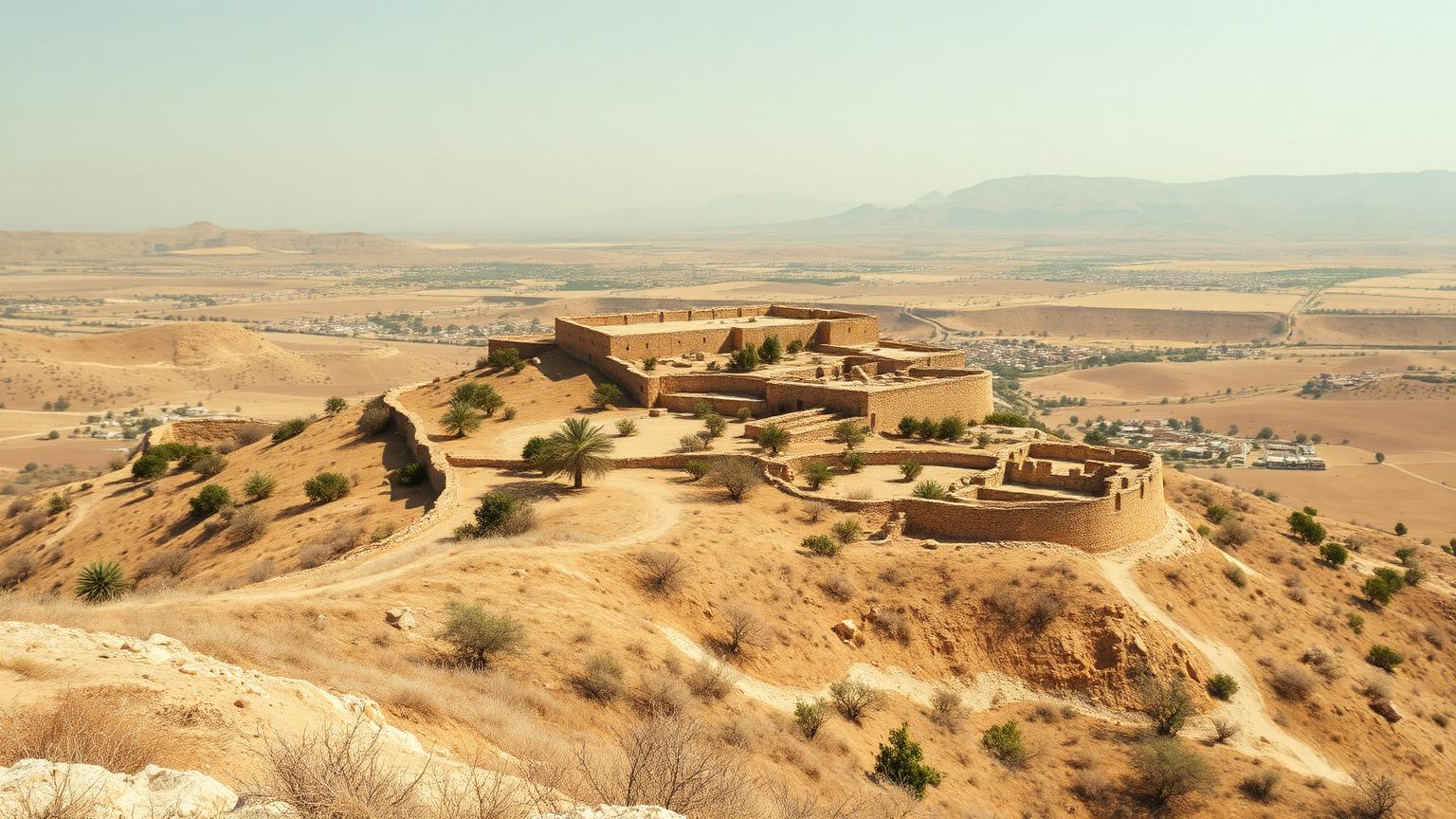
A defensible limestone highland between the coastal trade road and the desert, poor enough to be marginal and strategic enough to be fought over constantly.
Terracing and cisterns made hill agriculture viable — olives, vines and grain on thin soil.
Rainfall drops sharply from north to south, which is why settlement density does the same.
A case study in text-versus-excavation method, where dating disputes drive the entire historical picture.
The civilization at a glance
Ancient population and army figures are estimates. Anything marked est. is a reconstruction, not a count.
What they built, and how it worked
Tel Dan stele
Iron Age chronology debate
Lachish destruction layers
How we know what we claim
Editorial confidence ratings, not measurements. They describe how much of the picture rests on each channel — and where a single new find could move the file.
This rating governs the whole hub. Any claim on this page that outruns it is labeled where it appears.
- How large was the united monarchy?
- How should high and low chronologies be reconciled?
Where the evidence stops
- The Tel Dan stele references a 'House of David', establishing the dynasty as a historical entity.
- Lachish's destruction layer matches the Assyrian siege reliefs in remarkable detail.
- The 'high' and 'low' chronologies differ by decades, which changes whether tenth-century monumental architecture belongs to a united monarchy or later.
- The size and reach of tenth-century Jerusalem.
- How much of the biblical narrative is contemporary versus retrospective.
Who else was alive
Southern Levant · 1,200 BCE – 586 BCE. Bars below show civilizations alive at the same moment.
Where Israel connects to the rest of the ancient record — the worlds it belongs to, the chapters it sits in, the documents that record it, and the questions still open.
Deep Time
All deep time →Primary Sources
All primary sources →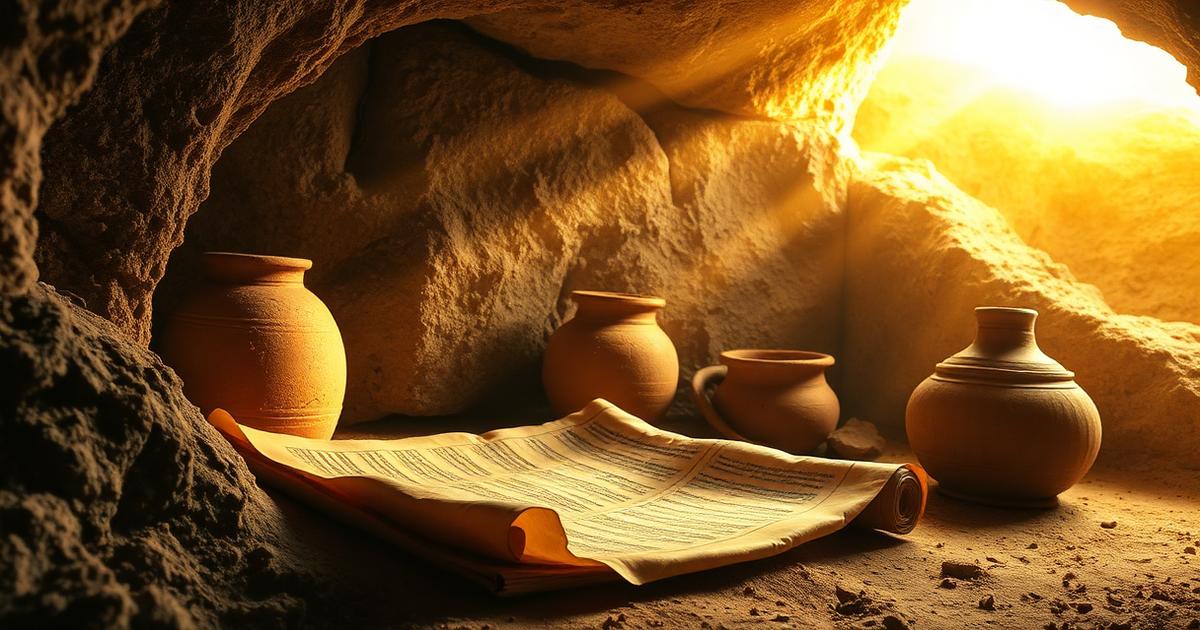
Dead Sea Scrolls
Qumran, Judaean Desert · c. 250 BCE – 68 CE
Roughly 900 manuscripts that reset what scholars knew about Second Temple Judaism and textual transmission.
Primary source for Israel

Book of Jubilees
Judaea · c. 160 – 100 BCE
A retelling of Genesis and Exodus on a strict 364-day calendar, preserved fully in Ge'ez.
Primary source for Israel

Josephus
Rome / Judaea · c. 75 – 94 CE
The single most-used narrative source for first-century Judaea, written by a participant with obvious interests.
Primary source for Israel
One more civilization
Same moment in history, different world. Keep going.