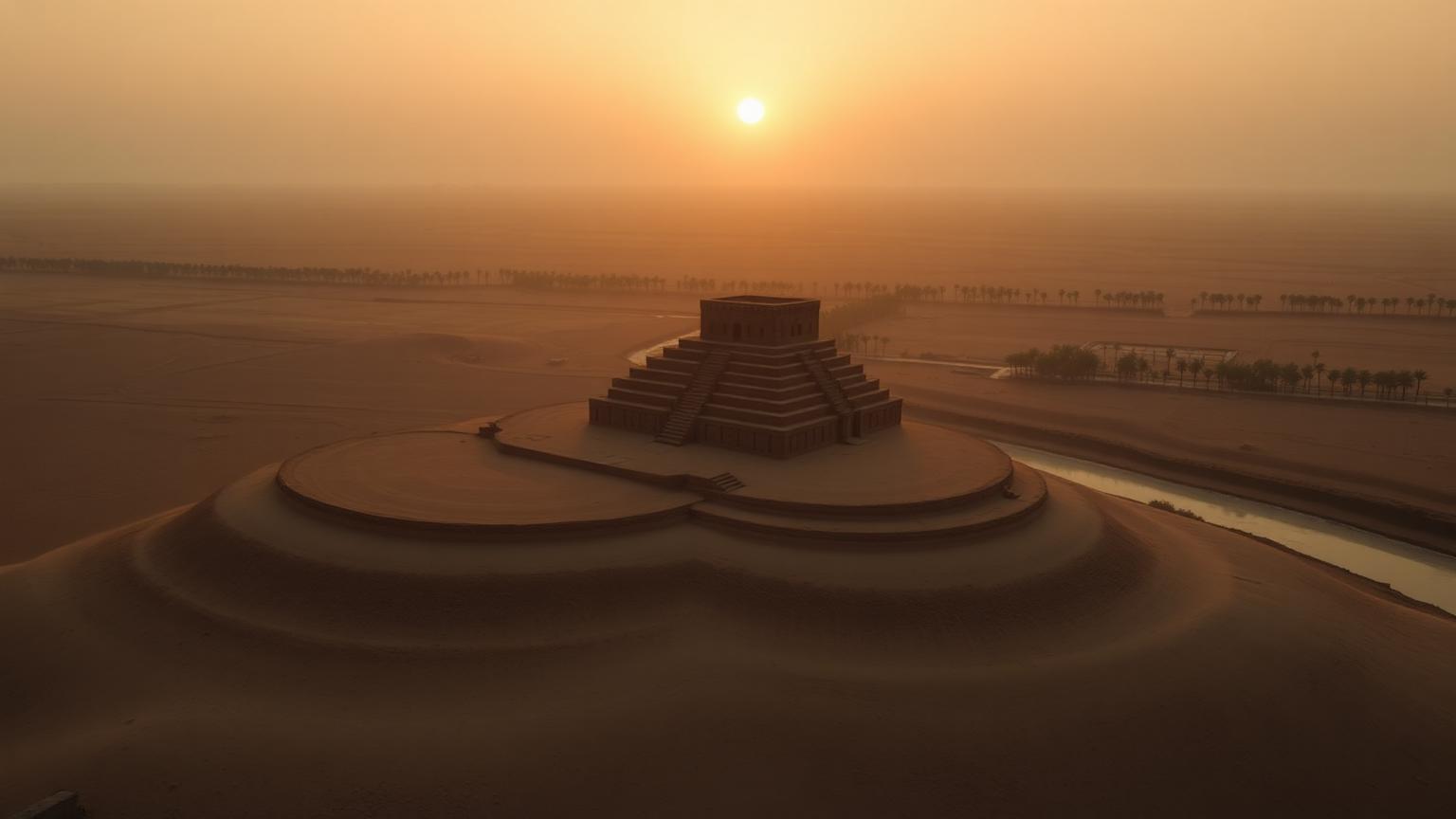
Sumer
The first society that wrote down what it owed, and so became legible to us.
- Span
- c. 4500 – 1900 BCE
- Now
- Southern Iraq
- Coordinates
- 31.32° N, 45.64° E
- Palette
- Clay · bronze · deep blue
Geography first. Everything else is a response to it.
The land between the lower Tigris and Euphrates
Southern Iraq
Euphrates · Tigris · Persian Gulf marshes
Uruk · Ur · Eridu · Lagash · Nippur
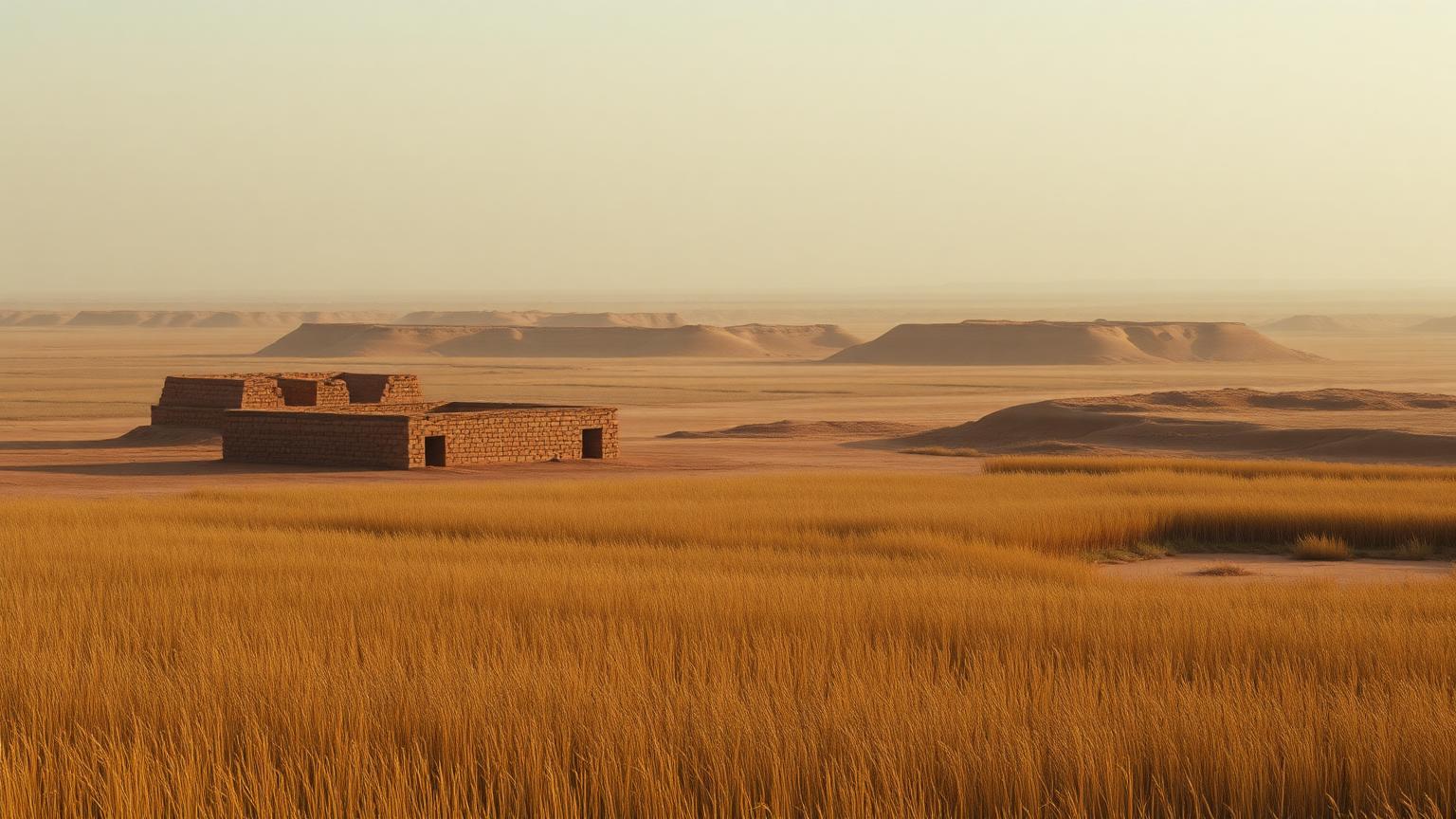
Two rivers, no stone, no timber, no metal. Irrigation made the land extraordinarily productive; the missing raw materials forced trade, and trade forced accounting.
The southern plain floods unpredictably, unlike the Nile — canals had to be dug, maintained and fought over, which is a structural argument for early centralized authority.
Irrigation without drainage concentrates salt. Barley replaced wheat in the records over centuries, which is what salinization looks like in an archive.
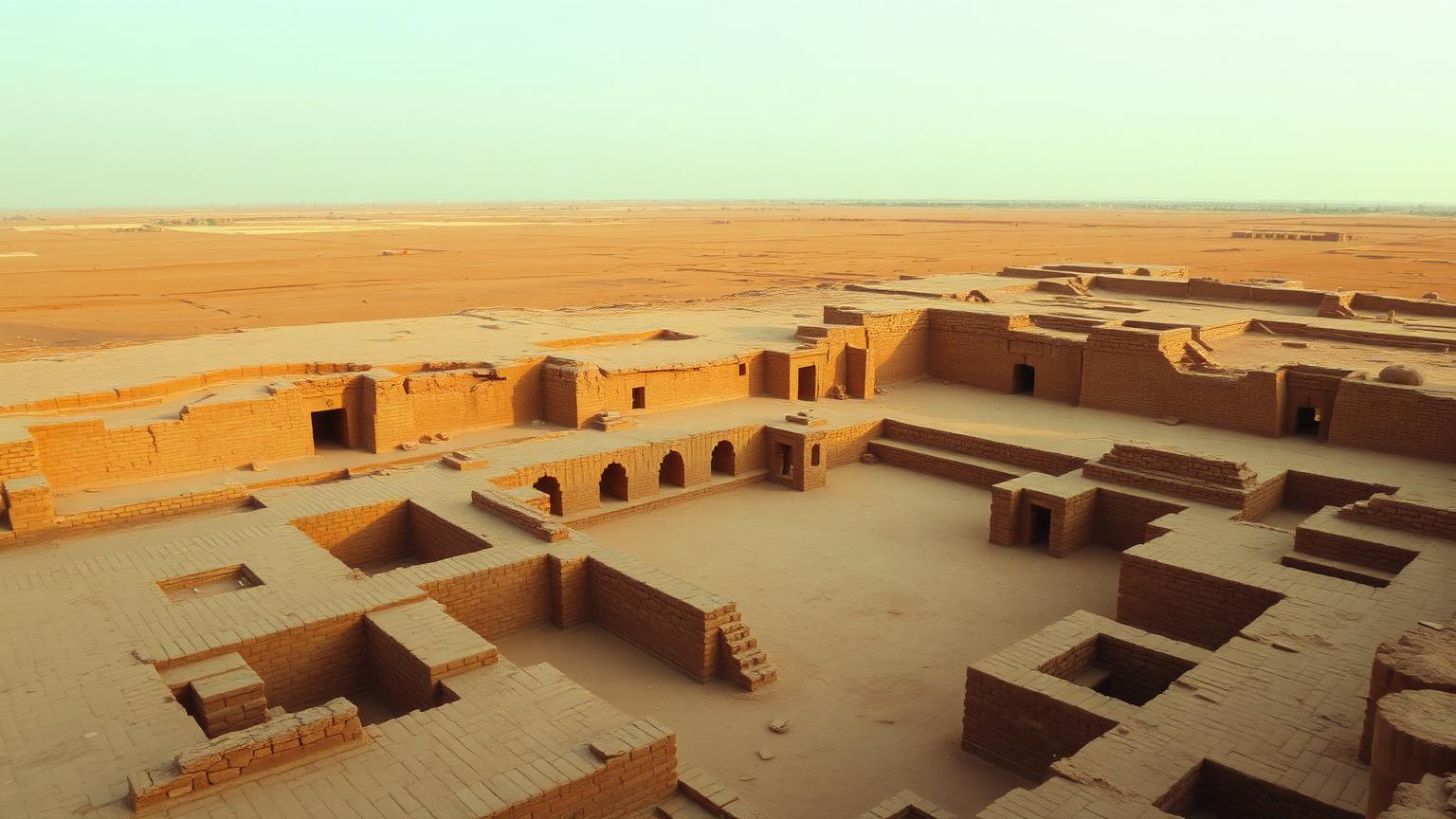
Everything was made of what was there: reed, mud, bitumen. Cities are mounds today because mudbrick buildings were leveled and rebuilt on their own debris.
The earliest well-documented urban society, known through tens of thousands of administrative tablets.
The civilization at a glance
Ancient population and army figures are estimates. Anything marked est. is a reconstruction, not a count.
What they built, and how it worked
Uruk and Ur
Sumerian King List
Temple economy
How we know what we claim
Editorial confidence ratings, not measurements. They describe how much of the picture rests on each channel — and where a single new find could move the file.
This rating governs the whole hub. Any claim on this page that outruns it is labeled where it appears.
- How literally should the King List be read?
- What is the origin of the Sumerian language?
Where the evidence stops
- Writing appears first as accounting — commodity counts, ration lists, receipts — not as literature.
- Cities were walled, irrigated and administered by institutions that kept records we can still audit.
- The shift from token-based counting to script was gradual rather than a single invention event.
- Salinization contributed materially to the southward decline of yields.
- Where Sumerian speakers came from, if anywhere.
- How literally the King List's reign lengths were meant.
Who else was alive
Southern Mesopotamia · 4,500 BCE – 1,900 BCE. Bars below show civilizations alive at the same moment.
Where Sumer connects to the rest of the ancient record — the worlds it belongs to, the chapters it sits in, the documents that record it, and the questions still open.
Deep Time
All deep time →Primary Sources
All primary sources →
Epic of Gilgamesh
Mesopotamia · c. 2100 – 1200 BCE
The oldest surviving long-form literature, assembled across a millennium of tablet traditions.
Primary source for Sumer
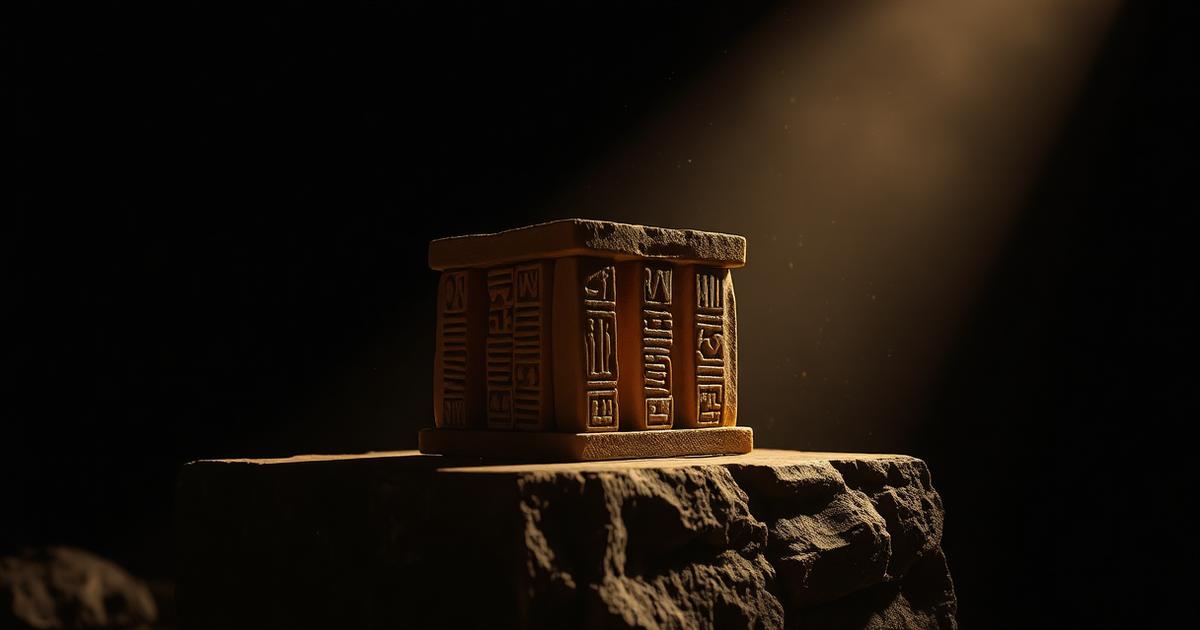
Sumerian King List
Mesopotamia · c. 2100 – 1800 BCE
A dynastic list mixing verifiable kings with reigns of tens of thousands of years.
Primary source for Sumer
One more civilization
Same moment in history, different world. Keep going.