Babylon
The city that wrote down the sky, and turned it into predictive mathematics.
- Span
- c. 1894 – 539 BCE
- Now
- Hillah, Iraq
- Coordinates
- 32.54° N, 44.42° E
- Palette
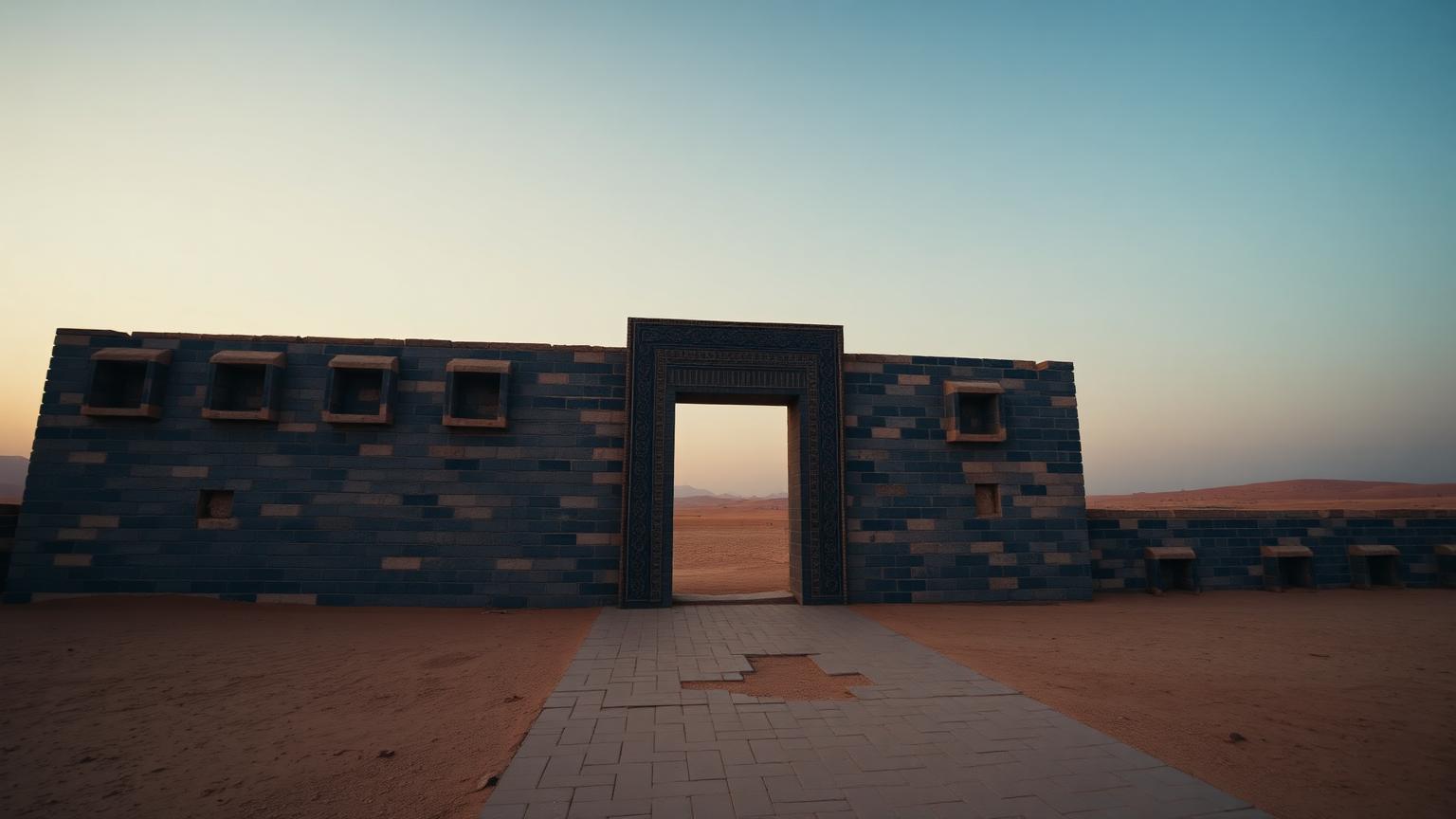
- Lapis · glazed blue · gold
Geography first. Everything else is a response to it.
Babylonia, the central alluvial plain
Hillah, Iraq
Euphrates · Royal canals
Babylon · Borsippa · Sippar · Kish
A crossing point on the Euphrates at the junction of northern and southern trade, defensible enough to be rebuilt every time it was destroyed.
Flat horizon, clear dry nights, and an institutional interest in omens — an unusually good environment for centuries of continuous astronomical observation.
The Astronomical Diaries record celestial events alongside grain prices and river levels, which makes them a rare combined scientific and economic dataset.
A legal and astronomical powerhouse whose records anchor much of ancient Near Eastern chronology.
The civilization at a glance
Ancient population and army figures are estimates. Anything marked est. is a reconstruction, not a count.
What they built, and how it worked
Code of Hammurabi
Astronomical diaries
Base-60 mathematics
How we know what we claim
Editorial confidence ratings, not measurements. They describe how much of the picture rests on each channel — and where a single new find could move the file.
This rating governs the whole hub. Any claim on this page that outruns it is labeled where it appears.
- Did the Hanging Gardens exist, and where?
- How predictive was Babylonian astronomy in practice?
Where the evidence stops
- Babylonian astronomers produced arithmetic methods that predicted lunar and planetary positions without any physical model.
- The Code of Hammurabi survives as a near-complete stele, though it functioned more as a royal statement than a working statute book.
- The Hanging Gardens, if real, may have been at Nineveh rather than Babylon — the Assyrian aqueduct evidence is stronger.
- How widely the mathematical astronomy was actually applied.
- The Gardens' existence at all.
Who else was alive
Central Mesopotamia · 1,894 BCE – 539 BCE. Bars below show civilizations alive at the same moment.
Where Babylon connects to the rest of the ancient record — the worlds it belongs to, the chapters it sits in, the documents that record it, and the questions still open.
Deep Time
All deep time →Primary Sources
All primary sources →
Epic of Gilgamesh
Mesopotamia · c. 2100 – 1200 BCE
The oldest surviving long-form literature, assembled across a millennium of tablet traditions.
Primary source for Babylon
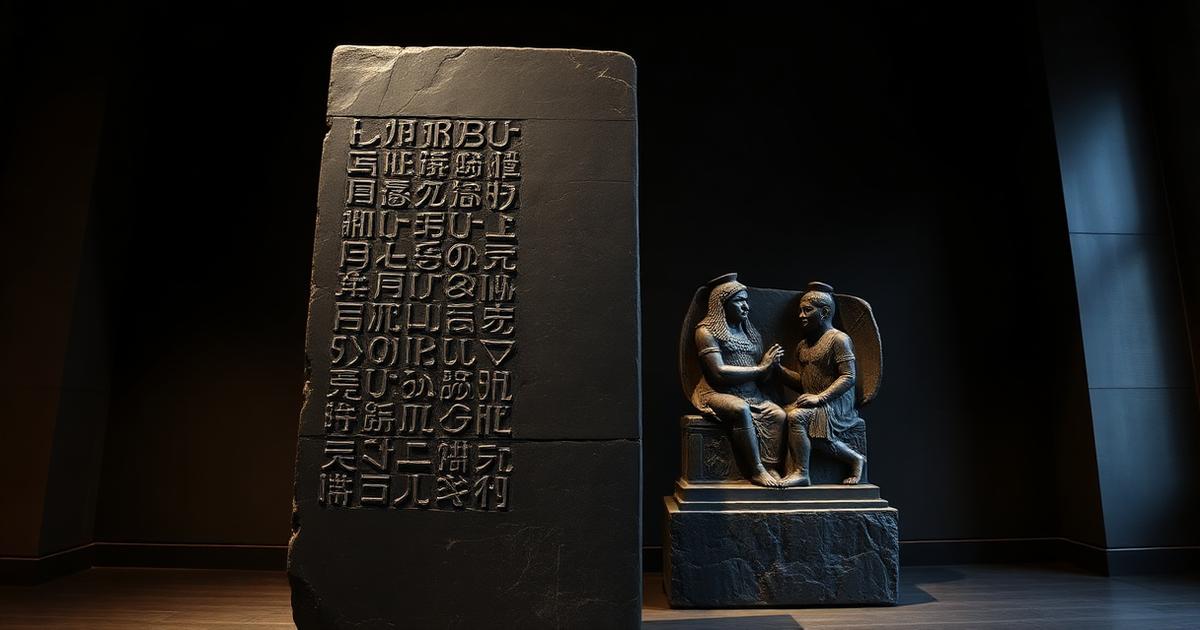
Code of Hammurabi
Babylon · c. 1754 BCE
282 provisions carved on a diorite stele — a legal monument as much as a working law code.
Primary source for Babylon
One more civilization
Same moment in history, different world. Keep going.